

China Is Ditching Touchscreens For Essential Controls In New Cars
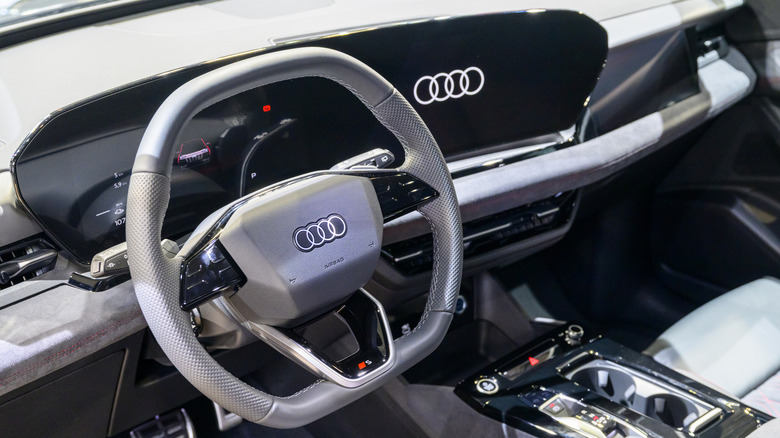
From affordable economy cars to high-tech EVs to flagship luxury vehicle, most modern cars come with at least one central display screen that allows users to select music, get around with maps, control the temperature, and much more. A growing trend, though, has seen automakers incorporating more vehicle functions into the touchscreen controls in place of physical buttons, but while this can reduce visual clutter inside the car, it can also cause a distraction or safety concern. To combat this, China's Ministry of Industry and Information Technology (MIIT) has drafted new rules that would bring back physical controls for essential functions on new cars.
The law is expected to go into effect on July 1, 2027, and it would require new vehicles to have certain physical controls, triggers, and switches with specific size and feedback requirements for each button. This does not mean touchscreens are going away on newer model cars, but it does impact controls that were previously integrated into the touchscreen display, including turn signals, lighting, shifting gears, windshield wipers, and window defrosters. The touchscreen will remain in place for other functions and cool dashboard gadgets.
Physical buttons are more important in 2027
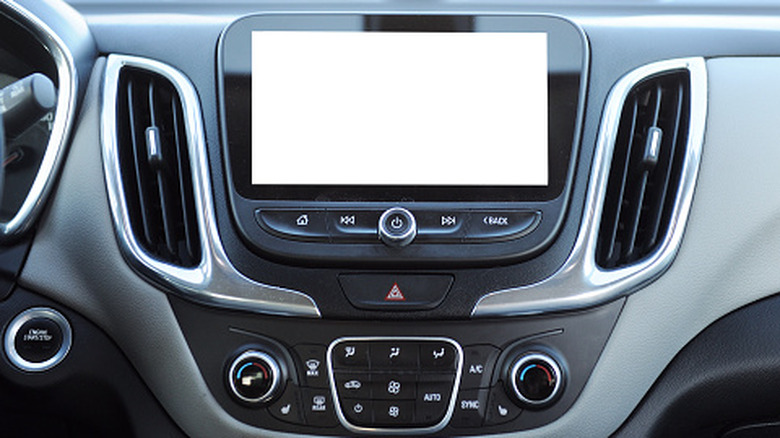
These details come as part of a revision to an order that was previously put into motion. The existing national standard GB4094—2016 include information about how symbols for controls, signals, and "tell-tales of motor vehicles" should be presented inside cars produced by Chinese carmakers. The update includes additional requirements for tangible controls, and it states that physical controls should be accessible, usable, and capable of being operated blindly while driving the vehicle, which is to say that drivers should be able to access buttons and switches without relying on their eyes to see what they are doing.
Removing features such as activating the windshield wipers, turn signals, and more from the touchscreen is meant to reduce distractions caused by having to look at and use a display while driving. It's not just Chinese vehicles, but other new cars are adding buttons again, like Mercedes-Benz. Additional changes will require controls related to the defrost and defogger mechanic, window controls, activating the Child or Accident Emergency Call System (AECS), and power-off switch now be changed to physical buttons. This even includes digital touchscreen shifters such as the ones included on Tesla models, which will be banned. A full list of the changes can be found on the GB-4094-2016 order.
Not everyone likes touchscreens in cars
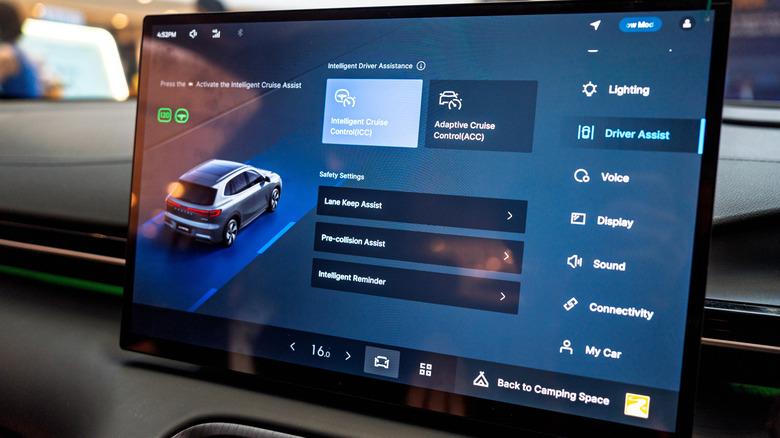
Touchscreens may be a futuristic feature in modern cars, but not everyone seems to enjoy them, or at least wants them cluttered with tools. A Reddit thread asking which car models have a blend of touchscreen and physical buttons, discusses why users aren't fans of touchscreens with so much additional gadgetry. One comment states that the touchscreen should be mainly used to view the backup camera, controlling music, and temperature controls.
A separate online board includes drivers saying that cars should include more physical buttons, knobs, and triggers. The same forum also discusses that there should be a balance between tangible switches and touchscreen controls, with Tesla being an example. Research shows that touchscreens can be distracting to drivers while operating the vehicle.
A study called "Touchscreens in Motion: Quantifying the Impact of Cognitive Load on Distracted Drivers" by the University of Washington Information School and Toyota Research Institute (TRI) revealed that interacting with a touchscreen while driving can affect driving performance. Adding physical buttons not only reduces the chance of distracted driving, but it may help your infotainment touchscreens last longer as you don't have to use it to control what you listen to, the AC and heater, and shift gears all while interacting with a touchscreen.