

Compact Vs. Mirrorless Cameras: Which Should You Use?
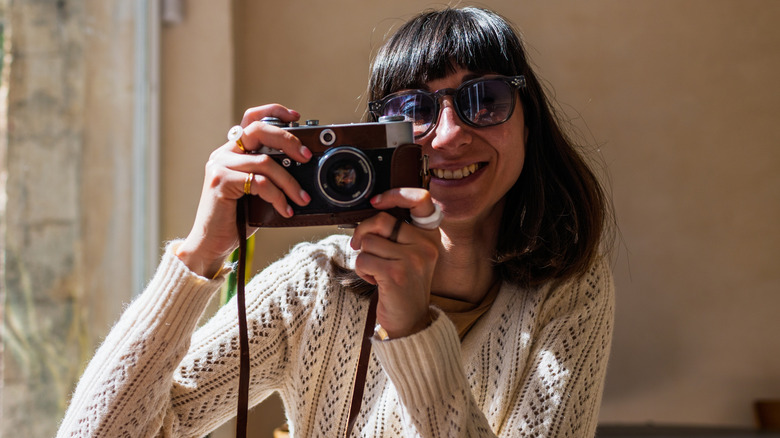
Although many people have replaced a dedicated camera with smartphone photography and video recording, you may prefer using a traditional digital camera. The standalone camera often offers larger, high-quality lenses and physically larger image sensors to record details in the scene. As an added advantage, you may simply believe your old 2000s digital camera is flat-out cool to use. If you're considering a standalone unit, you may want to decide between compact and mirrorless cameras. Mirrorless models generally create higher-quality images and focus faster, while compact designs frequently offer built-in optical zoom lenses and tend to cost less (at least in the beginner section of the market).
One of the best reasons to use a mirrorless camera instead of a point-and-shoot compact model is the ability to photograph fast-moving subjects with faster autofocus. High-quality video capture is another advantage. Photographers who have widely varying levels of experience can benefit from the capabilities of a mirrorless camera, as it's usable for beginner, intermediate, and advanced photographers. As your photography skills increase with more experience, you can potentially continue to use the same mirrorless model you bought as a beginner.
A compact camera offers point-and-shoot simplicity when creating photographs while maintaining decent image quality. The integrated lens in the compact model means you aren't fumbling with attaching a lens and potentially missing an unexpected photo opportunity. Most compact models are made for beginners with easy-to-use settings and controls.
Best situations for using mirrorless versus compact cameras

A mirrorless camera is most similar in its design to a digital single-lens reflex (DSLR) model. Both use removable lenses that allow you to gain new features with different types of lenses (as long as they're compatible with your camera body or you're using an adapter). The mirrorless unit is usually smaller because it doesn't need to include an interior mirror to direct the view from the lens to the optical viewfinder. The mirrorless design uses an electric viewfinder (EVF), which is a tiny display screen that makes a mirror unnecessary.
The advantages of buying a mirrorless camera over a compact point-and-shoot model especially show up when you're shooting certain kinds of photographs. People who want to shoot sports or continuously moving subjects will appreciate the fast autofocus performance. If you're trying to shoot the night sky, the Northern lights, or the Milky Way, a mirrorless camera's physically larger image sensor should manage low-light conditions better than a point-and-shoot compact model.
If you want to take a step forward in your photography skill, using manual control settings on the camera is a key factor. Mirrorless cameras tend to offer more manual controls than the simple compact camera designs, which frequently rely on automatically controlled settings. Meanwhile, mirrorless designs give you access to both full manual-control and automatic settings, depending on what you want to use. Shooting in manual-control mode may help you achieve an artistic look in the photograph.
When it's smart to use a compact point-and-shoot camera
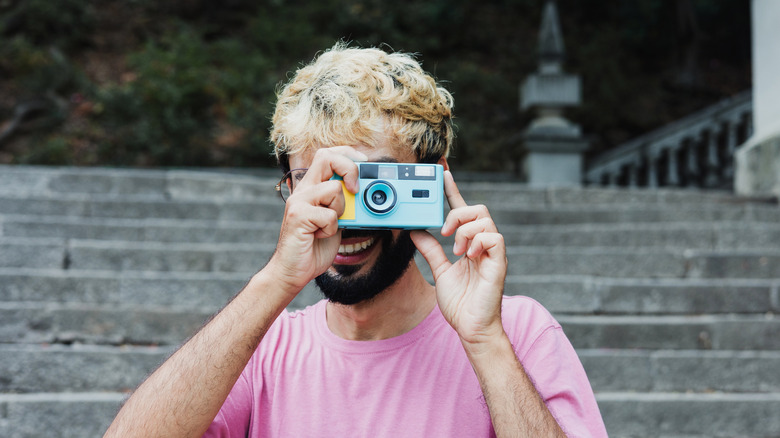
Even though the technology might be a bit older, you can still find compact point-and-shoot cameras worth buying in 2026. The biggest advantage of carrying a compact camera compared to a mirrorless is the overall size. The compact point-and-shoot camera uses a built-in lens that typically collapses inside the camera body when it's powered down, reducing the size further. Mirrorless models allow you to change lenses, and the lenses extend outside the body, adding to their overall size. You'll have an easier time sliding the compact model into a pocket or using it to shoot photos without drawing as much attention to yourself.
If you're shooting a subject that's far away, compact models with big optical zoom lenses are extremely helpful. Importantly, an optical zoom lens delivers better image quality than digital zoom technology. Having a big zoom lens in a compact camera increases its size, but you'll be able to shoot some unique photos with it. Add-on, large zoom lenses for mirrorless cameras can be costly.
Some people choose to carry an inexpensive compact camera when they're going out for the night and don't want to risk damage to or the loss of a costlier mirrorless camera (you might not want to use your smartphone camera for this purpose because shooting photos can quickly drain the smartphone's battery). People may also choose a cheaper compact model for shooting around bodies of water or other areas where damage could occur.