

5 Future-Proof Smart Home Devices Worth Buying
We may receive a commission on purchases made from links.
Building a smart home requires a good investment, so needing to replace devices a few years later because they become outdated is far from ideal. For that reason, when transforming your home, one of the best things you can do is choose products built for the future. This way, the best options should work across different ecosystems, receive updates, and remain useful over the years.
Fortunately, standards like Matter and Thread help devices from different manufacturers communicate without many problems and reduce the need to stay tied to a single ecosystem. This way, you can build a smart home with products from several brands, mainly because these protocols improve compatibility between platforms with fewer barriers.
Still, Matter or Thread support alone is not enough to make every product future-proof. It is also important to consider local controls, functions that do not depend entirely on the cloud, and the quality of the hardware you are buying. For that reason, we separated smart home devices that are future-proof and offer strong long-term durability.
Schlage Sense Pro Smart Deadbolt
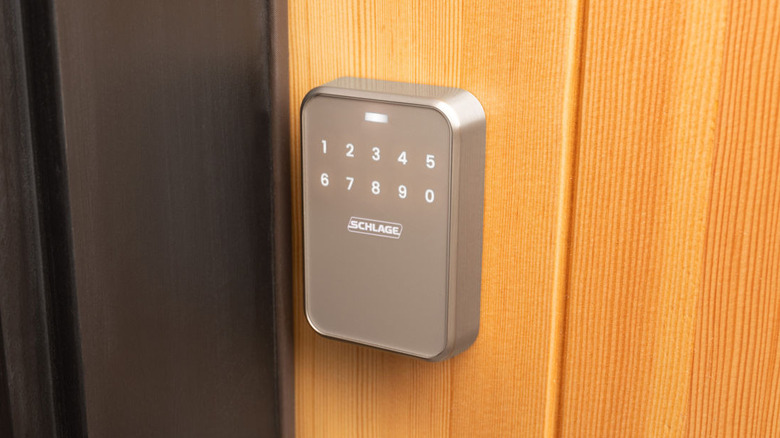
The Schlage Sense Pro Smart Deadbolt is one of the best smart locks you can buy with the long term in mind because it combines Matter over Thread with some useful features for times when you are without internet. So, you get integration with different products around the home, while Thread offers low power consumption designed for household devices. This way, access by code, Bluetooth, and hands-free unlocking remains available when Wi-Fi goes down, preventing you from getting locked out.
This independence matters because smart locks can last several years. So, if you buy one of these models, you ensure itis ready to work with new ecosystems that may appear in the future. The Sense Pro also uses Ultra Wideband to identify more precisely when an authorized person is actually approaching the door, while also offering up to 250 access codes. This way, it has a better chance of staying relevant even if you switch your voice assistant to a different brand.
Aqara Hub M3
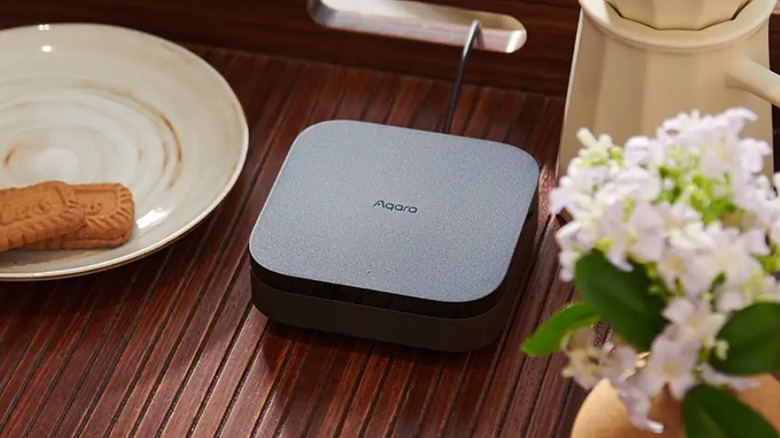
If you don't want your smart home tied to a single standard and need every product to communicate through it, the Aqara Hub M3 is a strong recommendation. It works as a Matter controller, Thread Border Router, and bridge for Aqara Zigbee devices, and helps to bring old and new equipment together on the same network. This support also sets the M3 apart from other Aqara smart home devices that are designed to integrate different products.
Another point in favor of the Hub M3 is its priority on local processing. Many automations you create can keep working even if the internet connection drops or an Aqara server has a problem. It also offers Ethernet with PoE, dual-band Wi-Fi and encrypted local storage, and it lets you migrate devices from previous hubs. So it becomes a central component of a smart home, and this flexibility greatly extends its useful life.
Philips Hue Bridge Pro
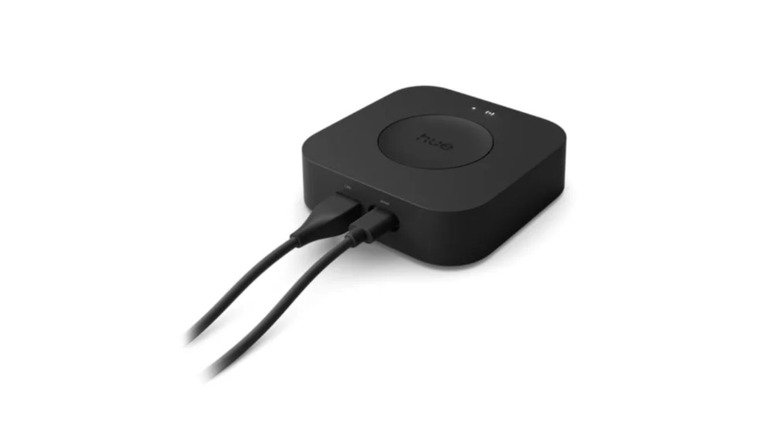
For anyone who already has some devices from Philips' Hue line, the Bridge Pro is a future-proof choice because it was created to keep older products from the line in the same ecosystem as newer ones. Through the Hub, it supports Matter and integrates services like Apple Home, Google Home, Alexa, and SmartThings. This way, you can control all the lighting in your home more easily without replacing every bulb.
Another important point is its ability to evolve through software. Philips continues to add new features through software, as it did with SpatialAware. This lets the Bridge Pro understand where each light is in the room and adjust accordingly. In fact, this type of update also extends the usefulness of the hardware, letting you update an older device with something new without buying a new one.
The compatibility it brings to previous-generation Hue products makes the Bridge Pro even better. So, if you've already bought something from the line, it lets you use Matter with all of it instead of abandoning working products to buy new ones with greater compatibility. With support for up to 150 different bulbs, it's a foundation that can stay with your smart home for years.
Reolink Argus 4 Pro
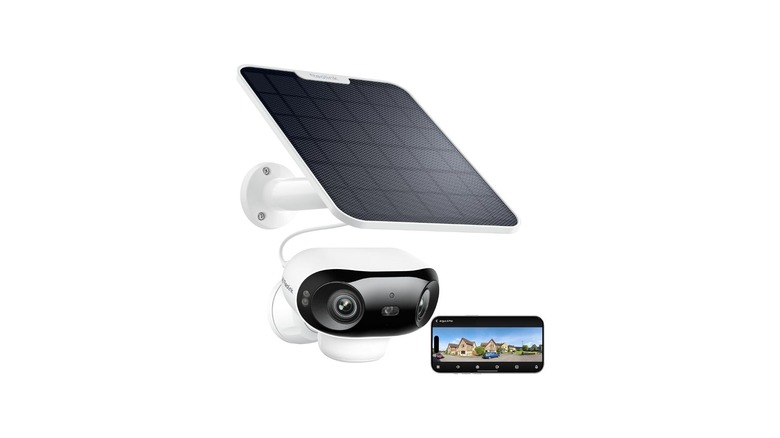
The Reolink Argus 4 Pro is a wireless outdoor security camera with 4K resolution and a 180-degree field of view. One advantage is that it works without a subscription, since it lets you save content locally to microSD cards up to 512GB. This also makes it one of the best security cameras without a subscription, especially for anyone who doesn't like having important functions locked behind paid plans.
Another point in favor of this camera is that it combines a rechargeable battery with support for solar panels. So you have more freedom in where you install it, without worrying about taking it down to replace the battery or having a power outlet nearby. The model also offers Wi-Fi 6 on 2.4 and 5 GHz, along with features such as local detection of people, vehicles, and animals that don't require the cloud to work.
So, even if Reolink's paid storage services change in the future, this becomes less of a problem because the camera's internal storage helps preserve the most important functions for anyone who needs security. Compatibility with Home Hub also helps expand storage later.
Google Nest Learning Thermostat 4th Gen
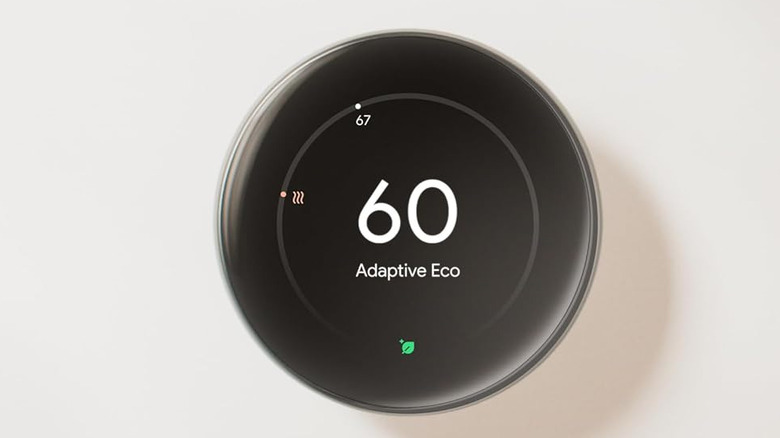
The fourth-generation Google Nest Learning is a smart thermostat that controls your home's heating and cooling systems while learning your habits. It can adjust the temperature in your home automatically, detect whether people are in a room, and use separate sensors to balance temperatures across different areas of your home. Because this equipment is built to last for many years, updates come through software rather than hardware.
Nest also combines automation with other functions that remain useful even without replacing the rest of the smart home. Matter support makes integration with compatible platforms easier, while temperature sensors let you expand the system gradually without the cost of adding another thermostat. In addition, because the system controls a basic home function and doesn't depend on other accessories to keep operating, there is a good chance your thermostat will stay relevant through several generations of other devices.
How we chose these future-proof smart home devices
To choose the devices on this list, we prioritized those likely to remain useful even after you change the rest of your smart home. So they need to support broad standards, such as Matter and Thread, while also offering local storage, subscription-free functionality, and the ability to receive new features through updates. We also considered compatibility with older accessories and whether the product solves a long-term user need.
For that reason, we left smart speakers in general off the list. Although they are useful for many users, they usually depend heavily on cloud services and future manufacturer decisions, which makes their longevity harder to predict. For the other products, we analyzed what would happen if the service shut down, the platform changed, or the user switched part of the ecosystem. Even under these conditions, these devices continue working normally.