

5 Apps That Can Help Monitor Your Electricity Usage
We may receive a commission on purchases made from links.
The smart home experience includes devices like smart hubs, wireless speaker arrangements, and even robot vacuums. Smart technology in general is integrated into almost every electrical device these days. In addition to smaller gadgets, appliances like refrigerators and washing machines now come packed with convenience and connectivity tech.
An even deeper smart home experience can come through keeping track of the electricity usage of such connected devices, and there are a number of essential apps that can upgrade the smart home experience. Here, though, we've focused more specifically on apps that can monitor electricity usage, both of the home as a whole and of each individual device within it. Such apps can go a long way toward minimizing one's bill each month, and can also help homeowners determine which appliances may have aged out of efficiency and need replacing.
Electricity monitoring apps are near essential for every homeowner, especially those dealing with hefty monthly bills. We've got some experience with smart home devices and monitoring techniques. With it in hand, and with both iOS and Android users in mind, we've tracked down some specific apps that can help homeowners monitor and even reduce their electricity consumption in various ways.
Sense Home
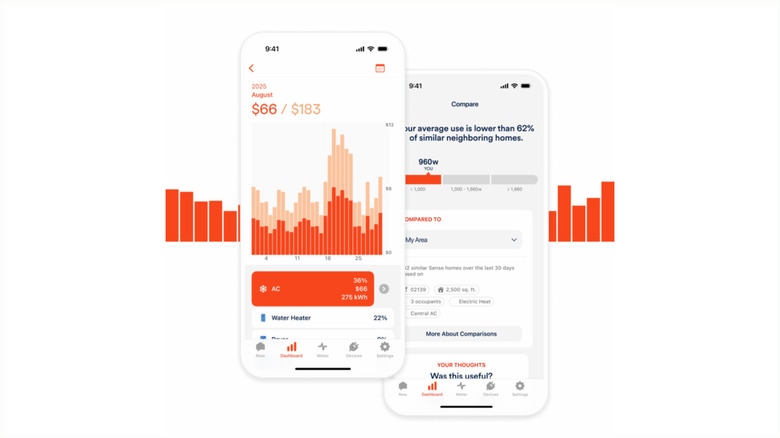
The Sense Home app allows homeowners to check on the amount of power their home appliances are consuming at any given moment. It's available for iOS in the App Store and for Android users in the Google Play Store. The app works by continuously reading data from individual appliances. It provides a dashboard that shows each appliance in the home and the amount of energy it's consuming, so homeowners can see exactly where costs are coming from.
With the metrics the Sense Home app is able to provide, it's easy for homeowners to decide what kinds of habits they may need to change around the house. The app allows for the tracking of daily energy consumption trends, which is helpful data during summer and winter, and can help homeowners determine whether or not they're running their HVAC system too frequently. The app can also track appliances like washing machines and refrigerators, and identify if older appliances are consuming more energy than they should be.
Previously the Sense Home app only worked if users had a Sense Monitor installed in their home. The app still works for those with a Sense Monitor, though Sense is no longer selling them. The app's functionality is now available to even more users, however, as the monitoring technology is being embedded into smart meters through various utility companies. Homeowners will need to make sure Sense technology is available in their home, and if that's the case, they can start saving on electricity bills through all of the data the Sense Home app provides.
Emporia Energy
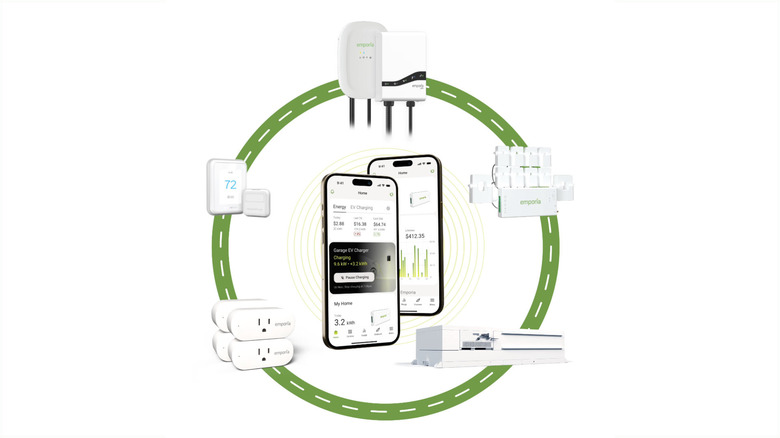
The Emporia Energy app is designed specifically to put homeowners in total control of their home's energy costs. Immediately upon opening the app users can see all of the electrical data that's tied to their home, including energy costs and how much energy plugged-in devices are consuming. It provides analysis of the data as well, giving homeowners usage reports by the minute, hour, or day; helping them remain informed about overall electrical consumption in addition to individual devices and appliances.
The app is available for iOS devices through the App Store and Android devices through the Google Play Store. Similarly to the Sense Home app, the Emporia Energy app requires a larger hardware ecosystem. The company's Emporia Vue hardware is meant to be installed directly within or adjacent to a home's electrical panel in order for the app to work to its full functionality. If this is more than a homeowner wants to go through, the Emporia Energy app can still be tapped into to varying extents with the use of compatible smart plugs, meters, and EV chargers.
The Emporia Vue 3 Home Energy Monitor is priced at $100. It can also be purchased with eight sensors for $150, or with 16 sensors for $200. As such technology goes, these are pretty reasonably priced, and while the Emporia Energy app does require such upfront investment to be fully utilized, the monthly savings on electrical bills could soon negate the costs.
Your energy provider's app
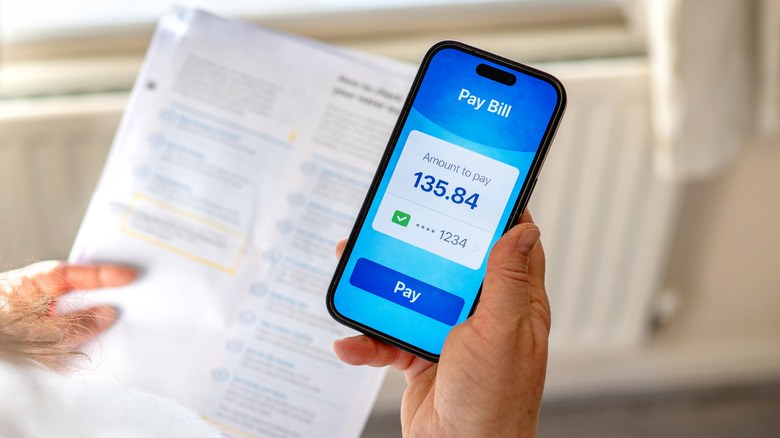
Whether a homeowner has gone the smart home route or not, there are always generic ways to monitor a home's electricity usage. It's not a bad idea for homeowners to install the app of their local energy provider, as it, at the very least, provides an easy way to pay the monthly bill. But many energy companies make an app not just to take payments with, but to provide various insights to their customers too. These can include usage trends and overall energy consumption notifications, among other things.
Some of the largest such companies include Duke Energy, Reliant Energy, Con Edison, and Florida Power & Light. Native utility apps from companies like these will often allow you to set up notifications for a number of consumption thresholds. Users will typically be able to track their peak-hour energy consumption, which can help them recognize when it's least affordable to push their electrical usage to the max. Apps from energy providers can also help to keep a homeowner updated on the value of their usage at any point during the current bill cycle.
Not all of these kinds of apps are created equal, however. Larger, more regional energy companies are most likely to have the resources to provide a quality in-app experience, while smaller, local companies may not have implemented the technologies necessary to provide money-saving insights within their own app. Commonly, these apps are completely free to install and use, and they require no hardware installation by homeowners. This makes them a great first option for those attempting to understand their home's electricity consumption, and its pricing.
Arbor

While Apple has included an iOS 26 feature that can help lower energy bills, also available to iPhone users is the Arbor app. This app is meant for homeowners who don't want to be so hands-on with the cost-saving experience. The service works passively, requiring users only to download the app and connect an existing utility account. Instead of forcing homeowners to track their own usage data and analytics, Arbor does all the heavy lifting when it comes to cutting costs.
It does this through shopping the market for cheaper electricity rates and automatically switching a homeowner to a lower-cost rate or energy provider. Energy rates can change regularly, and Arbor capitalizes on that. It even handles all of the paperwork without any interruption to your service.
Arbor is a great app for homeowners looking to save money, but it may not be the best for those who simply want to monitor their home's electrical usage. The data it provides is centered around rate metrics rather than energy consumption, though this kind of information could pair well with any of the apps we've talked about already. However, Arbor's service is only available in states with deregulated energy markets, which is what allows for the switching from one energy provider to another.
TP-Link Tapo
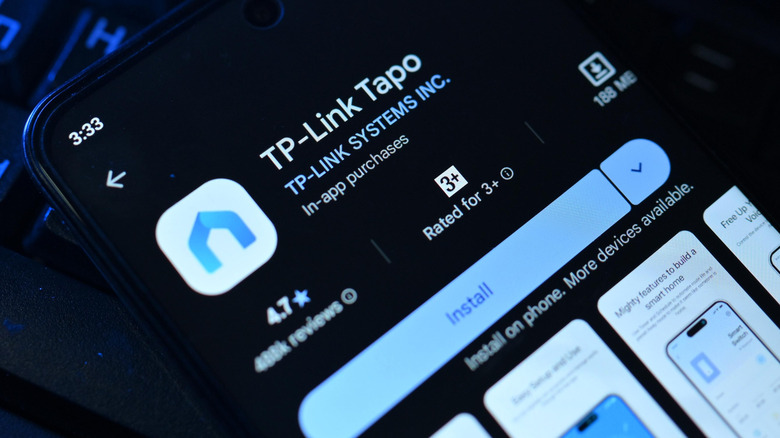
The TP-Link Tapo app doesn't eliminate hardware requirements, but it does offer a budget-friendly entry point to home electricity usage tracking. All that's required to start tracking data within the app is a TP-Link energy-monitoring smart plug, which start at $30 for a two-pack. Larger packs are also available and can be found heavily discounted on the TP-Link store.
TP-Link makes a number of highly rated devices, and while security cameras and routers are among its most popular, the smart plugs are also well regarded. Each of the smart plug variations allow users to track the energy consumption of anything that's plugged into them. The app will also provide users with energy consumption graphs and allows for the setup of automated power schedules.
With the budget-minded nature of a setup like this does come certain tradeoffs. The app can only track TP-Link devices, or third-party appliances that are plugged directly into TP-Link Tapo smart plugs. Therefore, many of these plugs would need to be purchased in order to cover an entire home, and HVAC systems and appliances like ovens might be difficult to connect. Nevertheless, the TP-Link Tapo app is a solid option for apartment dwellers and those just getting started with electrical usage monitoring around the house. It's available to download from the App Store and from the Google Play Store.
How we selected these electricity usage apps
We have a broad knowledge of smart home technology and the kinds of devices that can be implemented to make a home more efficient. We leaned heavily on that knowledge when assessing the apps that provide homeowners with helpful electricity usage monitoring.
Many such apps are able to provide insight through connected hardware, and our goal was to find those considered to be the best and most accessible. For deeper knowledge of such apps, we turned to professional contractors and companies dedicated to helping people save on energy costs.