

What Is A DAC And Does It Really Improve Audio Quality?
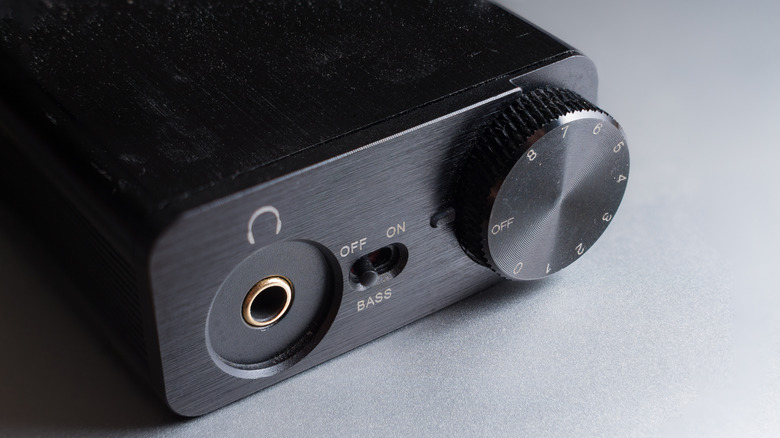
If you're a fledgling audiophile, you may have read articles or forum posts recommending purchasing an external DAC to enhance the sound quality of your audio system or device. But what exactly is a DAC, and does it really improve your audio quality?
A DAC is a digital-to-analog converter that acts as a bridge between digital music files and analog sound systems. In other words, it's the essential component that converts digital audio data, like that present in a Spotify track, to an analog audio signal that your speakers (or other device) can understand and reproduce audibly.
While most digital devices have built-in DACs, some audiophiles recommend upgrading to an external DAC to improve your audio quality. These dedicated DACs are purpose-built to more accurately reproduce the digital source audio and reduce noise interference, but they don't necessarily offer a noticeable audio quality improvement for everyone. So, below, we break down what a DAC does, how external DACs can improve sound quality, and the instances when it's worth investing in a DAC upgrade.
What is a DAC?
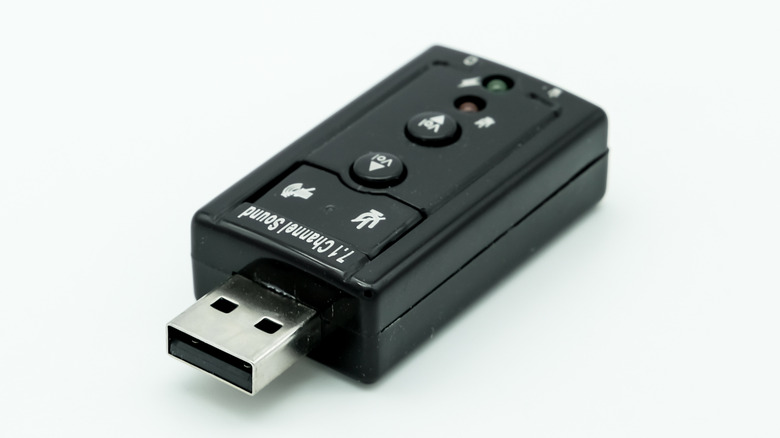
A digital-to-analog converter is a component that converts digital audio's binary data (1s and 0s) into a continuous, smooth electrical analog signal that speakers can understand and therefore play. For example, when you listen to digital music with a music streaming service like Spotify on your smartphone, the digital music files are converted by the phone's built-in DAC into analog sound waves that the phone's speakers can reproduce, and you can hear. As such, most digital devices feature a built-in DAC, including TVs, tablets, headphones, soundbars, and computers.
While internal DACs do the job, they're not flawless. Low-quality built-in DACs may not reproduce audio signals accurately and can introduce noise or distortion during the conversion process that negatively impacts audio quality. So, audiophiles and audio professionals often purchase dedicated external DACs, which are designed to provide a higher-fidelity conversion, minimize conversion issues, and therefore more accurately reproduce the original digital data — keeping it as close as possible to the source signal.
External DACs can take several forms, including desktop DACs that you can hook up to your computer or streamer; portable DACs that you can plug into your smartphone, laptop, or tablet; and USB DACs that can connect directly to any compatible device via USB. However, upgrading to an external DAC can be expensive (with some high-end models costing thousands of dollars) and isn't necessary for everyone, so you should establish if you'll actually benefit from one before you splash your cash.
How do you tell if you need an external DAC?
The average listener doesn't need an external DAC, as internal DACs are available in most digital devices, but there are some instances when upgrading to one might prove useful. The most obvious is if your device is producing distorted sound, as this may indicate a problem with the built-in DAC–though, you should try troubleshooting first. In addition, if you're using a smartphone without a headphone jack, like an iPhone 17, you'll likely need a portable DAC for wired listening.
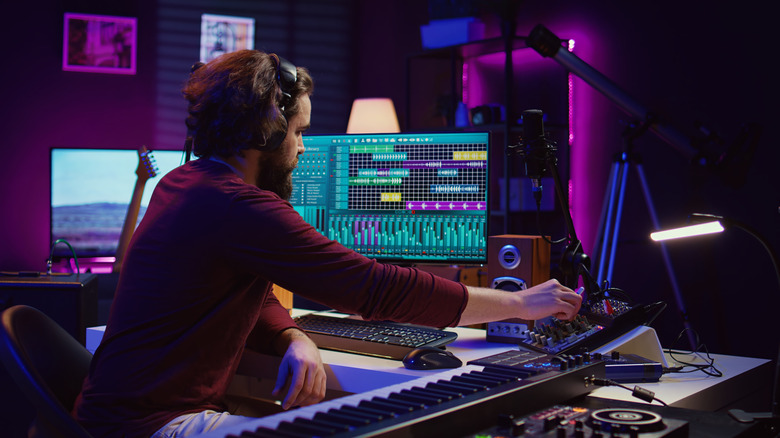
If you're using standard gear and the audio quality of your device is already clean, you likely don't need to upgrade, as it probably won't make a meaningful difference to audio quality. However, if you're a professional audio engineer, a specialized DAC can be worth investing in, while those who own high-end headphones — but find they are sounding underpowered — may benefit from purchasing a DAC with an amplifier.
If you do decide to purchase an external DAC, remember that more expensive doesn't equal better audio quality — this is a common audiophile myth. There are diminishing returns for sound clarity at higher price points, though more expensive DACs do often come with extra features. If you want to improve audio quality, many experts instead recommend spending your cash on other audio upgrades, such as improving your speakers or headphones or your listening room's acoustics, as this will have a more noticeable impact than a pricey DAC.