

Lamp, LED, Or Laser: Which Type Of Home Projector Should You Buy?
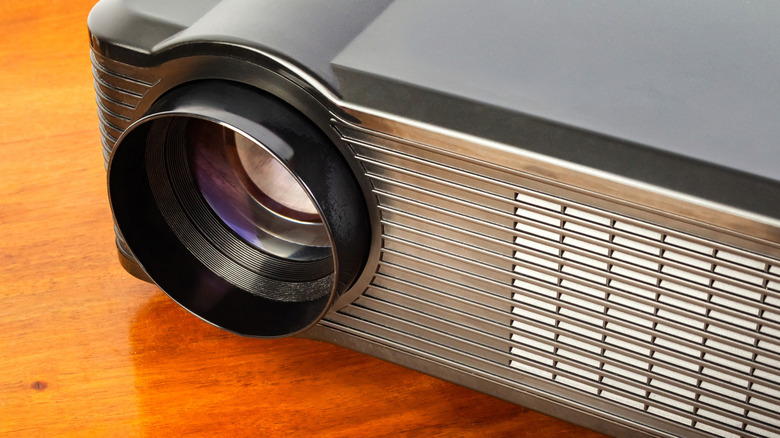
If you've been watching Hollywood blockbusters on your TV and can't help feeling they deserve a bigger screen, then a home projector is the obvious way to go. But buying one can be a bit of a minefield. After all, you'll need to think about so many things, including the level of ambient light in your room and the brightness required for a good picture, the screen size and throw distance that your viewing space will allow, and the desired resolution for an image that suits your taste. You'll also need to decide which type of light source is right for you among lamp, LED, and laser. The short answer is, it mainly depends on your room and how you'll use the projector, but for most homes, a home projector using LED light will be the sweet spot.
For years, most home projectors have used lamps to get the picture onto the screen, but more recently, LEDs and lasers have grown in popularity as viable alternatives. Lamp projectors get the job done, but they can create a lot of heat and fan noise during use. Laser projectors, meanwhile, offer excellent image quality and longevity, but they come with a premium price tag. LED projectors sit somewhere in the middle, as they run cool and quiet and generally last considerably longer than lamps before their light output declines. They also tend to cost less upfront than laser models.
Let's take a closer look at how lamp, LED, and laser projectors differ in things like lumens, brightness stability, color and contrast performance, and other light-related factors that can affect the image on your home theater screen. Once you have all the information in hand, you can decide for yourself.
It's not all about the light source
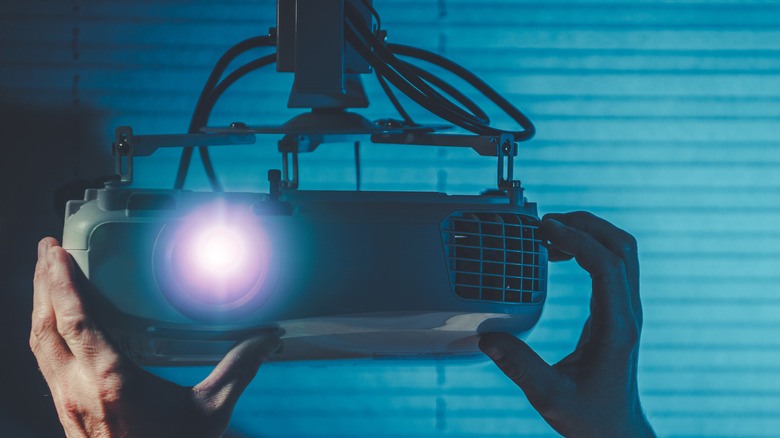
When comparing the three light-source types, lumens are a good place to start. A projector's lumen rating reveals how much light it can produce, but that figure alone doesn't actually tell you how bright the image will appear on the screen. That's because the perceived brightness is affected by other factors, such as the size of the image, the type of screen you're using, and the amount of ambient light inside the room. It's also important to check how the brightness has been measured, as manufacturers use various standards, including ANSI and ISO lumens, which can make it trickier to compare models.
Lamp, LED, and laser projectors can also differ in how consistently they maintain their brightness. Traditional lamps, for example, lose brightness as they age, while LED and laser light sources generally provide more steady output over many years of use. LEDs and lasers can also offer strong color performance and, in some projectors, more precise control of contrast, although both are affected by the projector's optical system and image processing.
So, while the light source is an important factor, it shouldn't be considered in isolation. The projector's design, the screen, and the viewing environment all affect how the final image appears. A high lumen rating, for example, won't necessarily produce the best-looking picture if the projector has poor contrast or is being used in a room with a lot of ambient light. While the combination of consistent brightness and good color performance that LED provides makes it a strong all-round choice for many home theater setups, it's still important to do your research and check reviews to find the best projector for your particular setup, and to avoid the common mistakes people make when buying one.
Choosing the right projector for your room
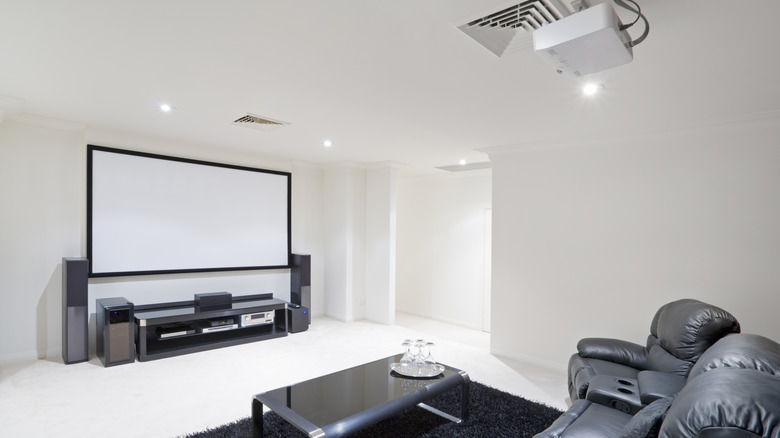
Your choice will largely depend on where you plan to use your projector. If it's somewhere like a dedicated home theater that can be darkened, then an LED projector makes sense because you won't need extra to deal with lots of ambient light. A lamp projector can also work well in a dark room and could be an attractive choice if you want a projector that costs less, though the ongoing cost of electricity and replacement lamps can make LED or laser more economical over the long term. If your setup is in a room like a lounge or living room that has ambient light creeping in through the curtains, then you might want to consider a laser projector, which generally handles brighter rooms better.
You might have a large screen, too, in which case the light from the projector will spread across a wider area, so you'll generally need more brightness for a clear image. The same applies if the projector is placed far from the screen, as the increased throw distance can also reduce the image brightness.
Ultimately, the right projector for you depends on the conditions of the room you'll be using it in and your preferences. Before making a final decision, consider your desired setup: how much light enters the room, the size of the screen, how far you'll sit from it, and how much you can afford to spend. Taking time to think through these points should make it easier to narrow your choices and decide if a lamp, LED, or laser projector is the best fit. Don't be surprised if you land on LED as your choice, though, as it's often the best all-round option for many home setups — especially when cost is a factor.