

Nvidia And Google Form AI Energy Management Alliance — Here's Why It Matters
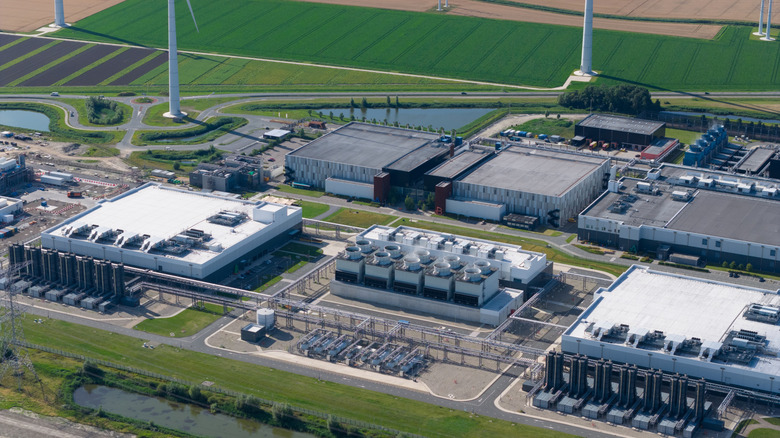
AI is a glutton for electricity. Yes, data centers do more harm than just driving up utility prices, but these installations can increase the average person's power bills nonetheless — even when the data center owners pay for grid access. However, Nvidia thinks it has a solution: flexible data centers.
Recently, Nvidia announced that it has teamed up with Google and Emerald AI to form the AI Energy Management Alliance (AEMA). This group is designed to develop, support, and manage AI data centers in a way that can change how much electricity they demand on the fly. For example, if a power grid is pushed to the breaking point because everyone is running their air conditioners to ride out a heatwave, AEMA-compliant data centers can throttle their electricity usage to lower the probability of contributing to a blackout.
Emerald AI's founder, Varun Sivaram, told Fortune that AEMA's flexible data centers have many benefits, the most important of which is affordability. By Sivaram's calculations, flexible data centers could free up 100 GW of power, which would be reflected not only in electricity use but also bills. Moreover, developers wouldn't need to install their own power generation systems just to keep up with energy demands, which would not only decrease the cost of setting up future data centers, but also free up millions of solar panels to power more than just AI computation models.
Is AEMA all it's cracked up to be?
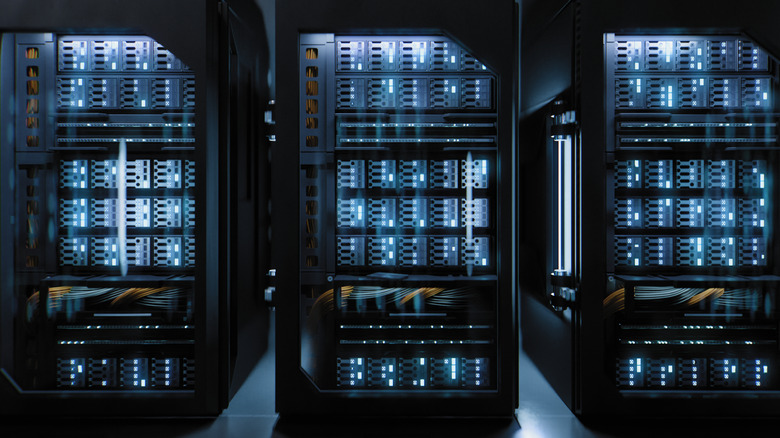
On the surface, AEMA's plans sound solid. Less power for data centers (at least when the average citizen needs electricity more) could not only lower the cost to power AI, but also reduce the resources needed to keep data centers cool. We're talking about more clean water and less electricity powering AC units in data centers. But some people have their doubts.
One of the tallest hurdles skeptics have pointed out is the economic viability. Even if AEMA's flexible data centers can decrease the amount of energy the servers need, will developers even bother investing in the technology? If AI companies don't end up saving as much money as Varun Sivaram claims, they might just go with standard infrastructure plans, especially if it means they can get their data center up and running quicker. However, even though this hypothetical threatens to hamstring Sivaram's dreams, his success could pose an even larger danger.
Let's assume that AEMA is everything Google, Nvidia, and Emerald AI want it to be and more. The coalition's flexible data centers make it easier and cheaper to set up shop. Then what? Perhaps the barrier for entry drops, and we could see a push for companies wanting to build countless new data centers. If all of the existing installations go flexible, then we could potentially see a reprieve from high electricity bills. But if innumerable other data centers were built? Well, each one might draw less grid electricity during peak hours, but all of them working at once could still increase overall electricity and water use.