

Study Finds That Almost 50% Of Hard Drives Fail Way Too Soon
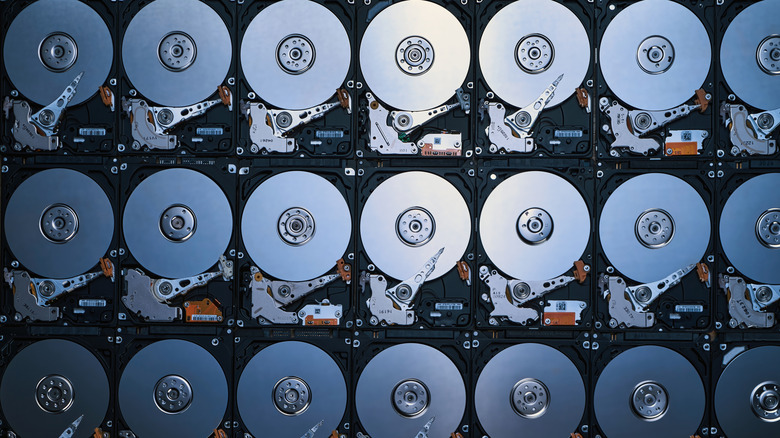
Conventional wisdom says that a typical hard disk drive (HDD) should last about five years. This was recently challenged by a study from Secure Data Recovery, which analyzed over 5,000 failed HDDs and found that the median drive survived being powered on for just 8,687 hours. That's nearly 362 days; less than one-fifth of its expected lifespan. In total, 49.8% of drives failed with less than one year of constant usage.
It's important to take this study in context, however. It only considered hard drives from a small number of manufacturers and, most importantly, only examined drives that had already failed. In other words, this study doesn't say anything about the lifespan of a typical HDD. To determine this, organizations like Backblaze buy new HDDs and run them until failure, monitoring every possible variable and reporting annual failure rates as a proportion of the total storage array. In 2025, Backblaze reported an annualized failure rate of 1.13%, meaning roughly one in every 88 of its drives failed that year.
Unfortunately, even with all this data, it's still not easy to say how long an individual hard drive will live. A peer-reviewed study analyzing 440,000 Backblaze-tested drives found that the chance of failure increases based not just on a drive's age, but also its manufacturer, temperature, and capacity.
The best defense is a healthy dose of preparation
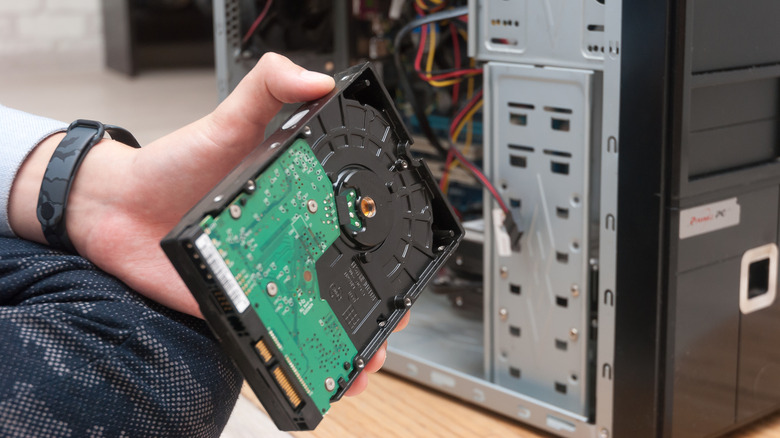
Sooner or later, every hard drive will fail. If you have an HDD that's been in use for several years, you should start thinking about replacing it. If it's making clicking sounds, freezing during file transfers, or losing data, the disk may already be dying. In these situations, it's crucial you take immediate action to retrieve and backup data, starting with the most important files. In the future, consider following the 3-2-1 rule for data backups to limit the impact of drive failure.
One of the reasons HDDs don't last very long is because they have internal moving parts that undergo wear and tear. That's why solid-state drives (which don't have any moving parts) tend to last longer; eight years on average. That's not the only benefit though: Because reading and writing is handled digitally, SSDs are usually several times faster than hard disks. NVMe drives are even quicker than SSDs, but are also more expensive, so they may not fit everyone's budget.
If you really want to maximize your hard drive's lifespan, there are a few statistically-significant ways to do so. First, choose a provider with low failure rates, such as HGST. Larger drives tend to be more reliable too, with every additional terabyte of memory reducing hazard rates by roughly 3.4%. Finally, keep an eye on your PC temperature, as every additional degree above 20℃ increases failure rates by roughly 2.1%.