

Who Owns Noble Audio, The Premium Headphone Brand?
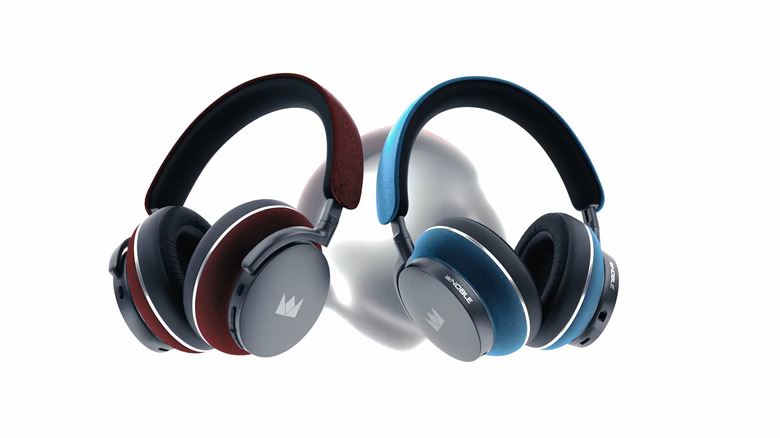
Headphones are more than just tools; they're a fashion accessory. Beats by Dre may have lost their luster in recent times, but they were a bonafide status symbol in the 2010s, and you could see them in all the rap videos of the era. Today, the AirPods Max 2 are seen as an accessory with the "it" factor. Still, despite their recognizability (and $500+ price point), audio enthusiasts don't really consider them premium. In fact, some of the best major audiophile brands, like Grado or Focal, sell models for north of $2,000. One brand, Noble Audio, even makes "artisan" in-ear monitors (IEMs) for professional musicians (these puppies sport eye-catching designs and sometimes go for over $4,000) and produces premium headphones for regular consumers and earbuds that scream prestige. Who owns Noble Audio, the premium company behind $699 consumer earbuds? Are their products US-made?
The brand is owned by Wizard Audio Industries, LLC. It was founded by John Moulton, a man apparently so good at making professional, custom in-ear monitors that he was dubbed the Wizard by the community. Headquartered in Whitehouse, Texas, Noble Audio has a vibe of a boutique mom-and-pop store, despite generating around $25 million in revenue in 2026 alone. It's technically a family business, since ownership is split 50-50 between founder John Moulton and his brother Jim, whose son Ken also does accounting for the company.
As a company with a global presence, Noble Audio sources parts from various places, including Germany, Canada, China, and the U.S. However, only its pro line seems to be US-made. In other words, professional IEMs are assembled in Texas, but commercial products, such as earbuds and headphones, are made in China.
Are Noble Audio products worth it?
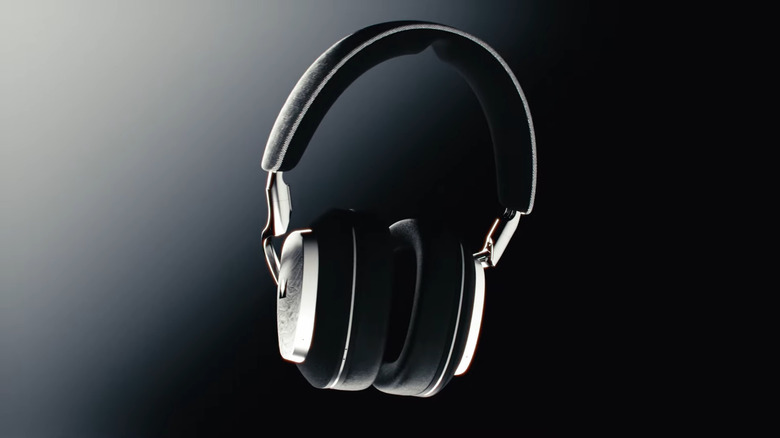
The "Made in China" tag may dissuade you from purchasing the more affordable (cue giant quotation marks) Noble Audio products. Fair point, as Grado, for instance, still makes all its stuff in Brooklyn. Yet, with Noble, you're also paying for tech that's considered by many to be creme de la creme. For one, you can't ignore the innovation company founder Moulton brings to the table. Take FoKus Rex5 TWS as an example. These earbuds use five different drivers and tech that tests the listener's ear and automatically creates a custom profile. The same approach can be seen with FoKus Apollo, which, according to Moulton, were the first headphones in the world to use both dynamic and planar drivers. Noble Audio has also made premium models that used exotic parts like Timascus, a low-volume, high-expense material to make a limited run of headphones that sold for $6,000.
The sound quality and longevity alone may be worth the higher asking price. Noble Audio Artemis Bluetooth headphones sport an aluminum build, multiple drivers, and all the bells and whistles you'd get from Apple AirPods Max 2. They may be $400 more expensive than Apple's offering (around $900), but they're completely modular. Most parts can be replaced, including batteries. Thus, you can theoretically keep them for life as long as Noble continues supporting the product, a stark contrast to the disposable nature of most wireless headphones.
Most people can clearly hear the difference between expensive and cheap headphones after they try a premium product. As such, Noble Audio may send you straight to audio nirvana. That's at least the consensus among audiophiles who spend days A/B testing and studying equalization curves. If they say Noble stuff is next-level, who are we to argue?