

A Tesla Powerwall Doesn't Actually Save You Money With Home Solar Power - Here's Why
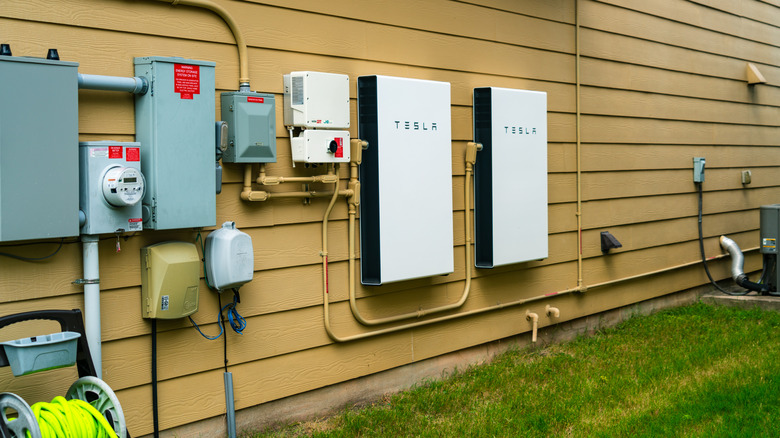
When installing a solar power system for your home, including a roof array, it's always a good idea to acquire a backup battery solution. Tesla Powerwall is a solid, if somewhat pricey, example. During the day when the panels are working, they'll also charge the battery, which can be used during off-hours, such as at night, or sometimes when there is a power outage. The key word there is "sometimes," because the system may also need specialized hardware to support usage during blackouts. At any rate, the backup battery is invaluable for extending the usability of your new solar and renewable energy source. But a common misconception is that these backup solutions also save you money. That's not actually true.
The primary purpose of a backup battery is to provide at least some power during blackouts or duringoff-peak hours. However, batteries are not designed to help cut costs on power bills and save you money, at least not off the shelf. Sure, they can reduce your dependence on grid-based power, but the upfront costs usually override anything you might save for some time. Moreover, the federal tax credits for solar equipment, including battery backups, have mostly expired and are only available to homeowners under specific conditions until 2028. The real way to save money is through something called net metering, where you sell excess energy back to the grid. That highlights one of a handful of things you should know before installing solar panel batteries and solutions. Solar technology, alongside a battery backup like the Tesla Powerwall, is a long-term investment. It will almost always take a while before you can recoup your costs.
How much does a Tesla Powerwall cost in total?
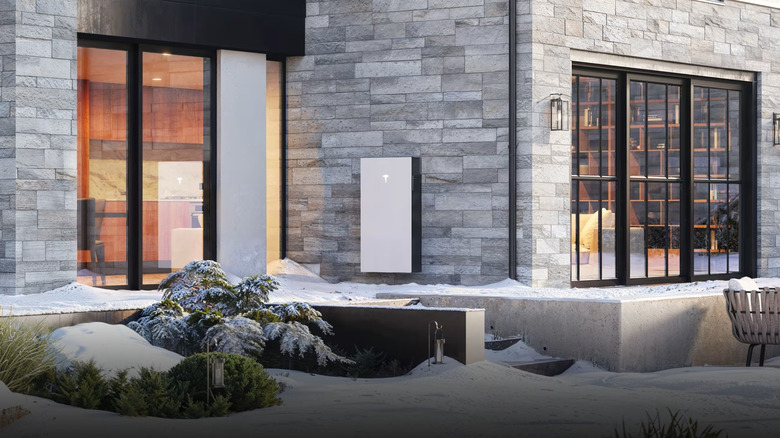
According to Tesla's quotes, a single Powerwall 3 costs just shy of $12,000. However, that price does not include local taxes, delivery fees, installation costs, or any "other costs and fees" that apply. Adding expansion units to increase energy capacity can raise base costs to over $20,000, or to nearly $29,000 with two expansion units.
Energy Sage estimates the cost after installation to be closer to $15,647 for a single 13.5-kilowatt-hour storage unit, which is the size of Tesla's Powerwall 3. That size offers anywhere from eight to 14 hours of backup power for essentials, by the way. Light loads will drain the battery more slowly, while heavy loads from big appliances like a refrigerator will drain it faster. If you were to net a rough estimate of $1,100 in savings annually by shifting away from grid power (which some outlets say is at least feasible), it would take 13 years before you see a return on investment for the installed Powerwall alone.
The costs also vary based on the state and what's included in your full package. Batteries are more expensive in states such as North Dakota, South Dakota, and Nebraska, where the same system can cost $36,000 or more. Some states also have local tax credits and incentives that aren't available everywhere. If you have the battery installed separately from your solar panels or solar array, you'll also want to factor in those costs. But here's something else to keep in mind: Batteries tend to last between 10 and 15 years, while homeowners often take out loans with 20- or 25-year terms. You could end up paying for, and paying interest on, something that doesn't last the full length of your loan period.
So what are battery backups good for?
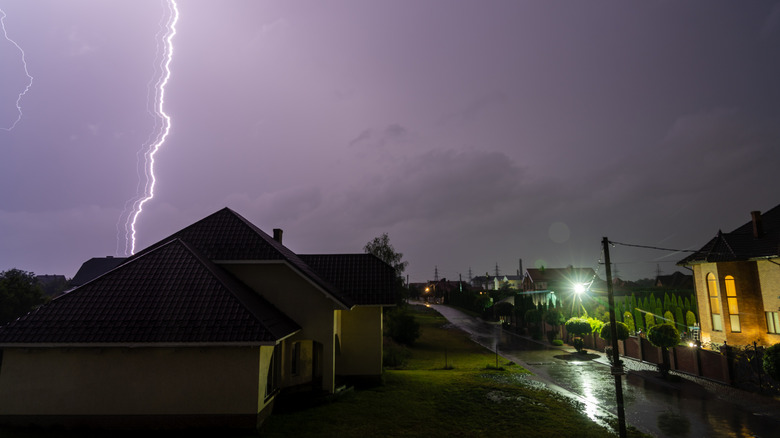
The prevailing idea here is not that you should avoid battery backups altogether. In fact, they are an incredible investment in areas where blackouts are possible, especially multiday blackouts like those caused by inclement weather and other natural events. You don't want to look at it as saving you lots of money, but rather saving you peace of mind for when you truly need the extra energy.
It's also important to note here that, while the Tesla Powerwall 3 is a capable and relatively average-priced option, it's not the only one on the market. There are many alternatives available, some cheaper and others more expensive. Companies like Sol-Ark and Rubix offer budget models that are more affordable. Companies like LG and Generac also offer comparable options to Tesla's backup system. There's no denying the fact that these backup solutions are a great way to make your home's solar power system more efficient, but for most people it's going to come down to that realistic ROI. You also generally can't run a house on 100% solar, because of many impediments like size requirements and net-metering limits.
If you don't have blackouts often, or if you live in an area without major storms or grid-based events, it may not be worth the investment to get a backup battery, at least not at the average cost of a Tesla Powerwall. That's especially true if you're considering signing a multidecade loan that could possibly stretch longer than the expected lifetime of the battery. Furthermore, some states have net-metering caps or are rolling back solar incentives. In some of those instances, there's no real benefit to generating excess energy, though the units are still valuable even then as backup power sources.