

When Switching To An EV Is (And Isn't) Worth It
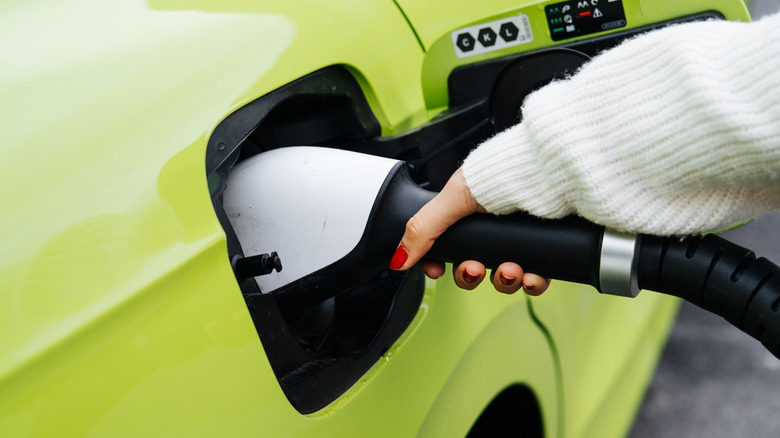
If you're in the market for a new vehicle, then you know that there are many choices available, and one of the biggest decisions today is choosing between an electric vehicle and a traditional vehicle with an internal combustion engine (ICE). For better or worse, EVs aren't for everyone, so there are some considerations you should think about before switching to an EV in order to make the best choice based on your budget, commute, and, yes, housing.
Owning an electric vehicle is more than skipping the gas station — it's a lifestyle, at least for now. Yes, EVs can insulate owners from fluctuating fuel prices while delivering the independence of being able to charge from home, but you'll want to research the city you live in to make sure it has the infrastructure required to get the most out of EV ownership. If you're looking to make the switch to an EV, these factors can help determine whether it's worth it or if you should stick to a more conventional type of vehicle.
When switching to an EV is worth it
One other important factor to think about before buying an EV is how far you intend to drive it. EVs all feature a maximum range listed by the manufacturer. This gives you a rough idea of how many miles the EV can drive before the batteries run out of juice. It's worth noting that some EVs can exceed their advertised range in Consumer Reports' testing. EVs are great commuter cars or driving around town, but the technology has developed to the point where these cars are increasingly popular for long-distance drives. Unlike gas stations, though, you still have to plan your trip accordingly to make sure a charging station is on your route.
Charging at home and on the go are important factors to think about when switching to an EV. There are up-front costs associated with installing a home EV charger, but some local governments and/or energy companies may offer incentives to do so. You may be able to find a nice tax rebate or credit depending on where you live. Depending on your commute, charging from home can be a major convenience that, alone, could make EV ownership totally worth it.
When switching to an EV isn't worth it
If you intend to buy an EV, it is important to know that not only do they cost more upfront with higher MSRPs, but they also tend to depreciate faster than ICE vehicles. Depreciation varies greatly by the make and model of EV, but reports show that EVs lose almost 60% of their value after five years, compared to about 40% depreciation for gas-powered vehicles over the same timeframe. Practically every new car depreciates as soon as it's driven off the dealership lot, but EVs lose their value much faster.
Another consideration to make is if you live in a city or rural area that doesn't have a power grid to support EVs. You may have power at your house that can be used to charge your car, but you also need to know if there is reliable charging in your area. Larger cities tend to offer an abundance of public EV charging stations while smaller towns may not, and if you live in an apartment, condo, or rental home, access to a home charger may not be possible. While it may be cheaper to drive an electric vehicle and cheaper to maintain, there are lifestyle elements of owning an EV that may make it not worth the purchase. So if an EV doesn't work for your budget and driving needs, there are other alternatives that are still great on gas, including hybrids and plug-in hybrids.