

These Gadgets Were Hyped As The Next Big Thing — But The Skepticism Was Justified
We may receive a commission on purchases made from links.
It's not uncommon for tech companies to promise gadgets that will change the way we live with every new product launch. While many of these devices have earned an important place in our lives, most new products hit the market with high expectations and big promises but don't always deliver.
In addition, many of the most hyped gadgets also reach stores at high prices, charging users far more than other products in their category for access to the technology. However, investing in a new product right away is not always worth it. After all, poor execution, limited features, and a lack of practical applications can contribute to a product's failure.
So, even if the concept behind these devices is interesting, that alone is not enough to guarantee a product's success. For that reason, we selected some gadgets that launched with enormous hype and equally high prices but failed to win over the market. Whether they failed to deliver their promised features or struggled with the limitations of their time, they showed that the doubts surrounding them had merit.
Google Glass
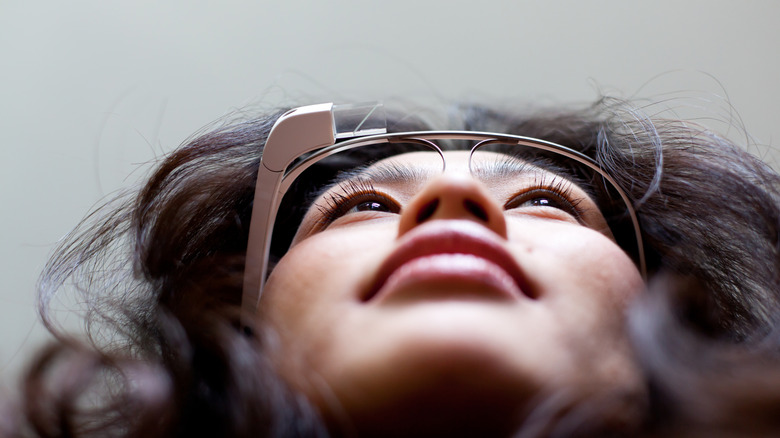
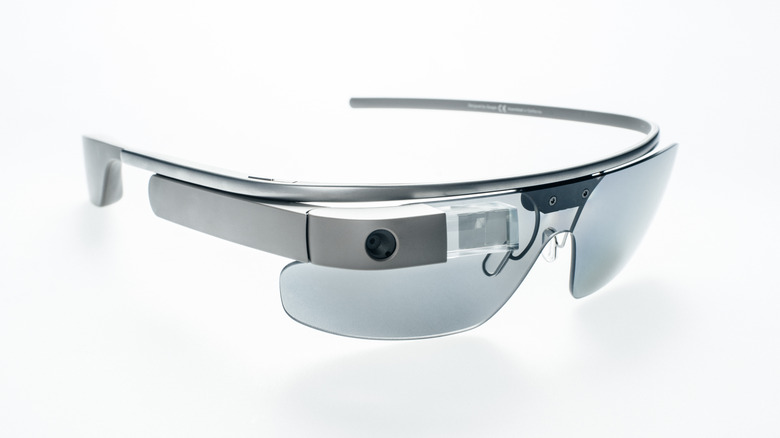
Google Glass was first introduced in 2012, and it felt like a revolutionary product at the time. Especially because it seemed like the next big thing in technology. One of its promises was to change the way we interact with information, offering an experience similar to what we see in sci-fi movies. You could get notifications, take photos and record videos hands-free, and it was even more exciting to see demonstrations of how it worked in everyday life.
But the following year, when Google Glass Explorer Edition arrived in 2013 at $1,500, the hype around the glasses slowed a bit. Beyond its high price, it had very limited battery life, was difficult to use, and few apps supported it. The Glass design also attracted a lot of attention, making it even more difficult for people to accept it as an accessory they would wear on a regular basis.
The built-in camera, much like those in today's smart glasses, also raised privacy concerns. In fact, some establishments restricted the device's use at the time, and shortly afterward, Google ended the project in 2015 and shifted the glasses toward the enterprise market. That second attempt also failed and ended in 2023.
RED Hydrogen One
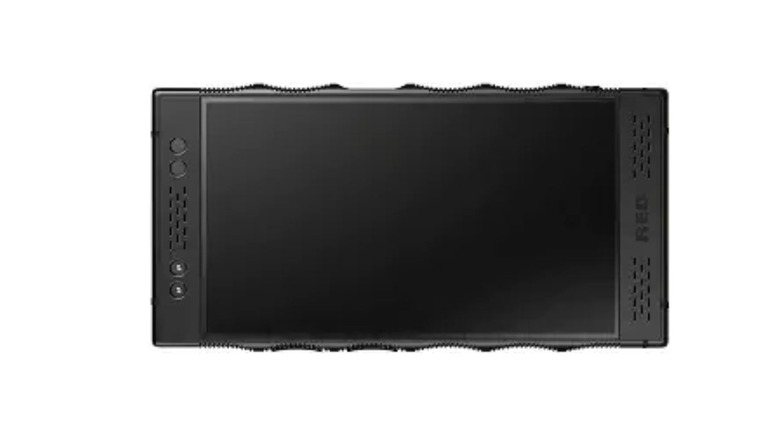
RED was well known for its cinema cameras, and the company tried to enter the smartphone market in 2018 with an ambitious concept. With the Hydrogen One, the company aimed to revolutionize the user experience with a holographic screen that could display 3D images without glasses. The ability to connect professional camera modules also generated some anticipation.
However, its $1,295 price already placed it in a premium category. In addition, the holographic screen didn't deliver an equally impressive experience, and the hardware specs fell short of other premium phones at the time. Finally, the camera quality was also disappointing, especially considering the brand's reputation in the cinema industry.
Another major disappointment was its failure to deliver on its promises of modular expansion. The planned accessories never reached the market, so anyone who bought the phone because of that promise missed out on its main features. Just over a year after its launch, RED ended the project and abandoned plans for a second generation.
PlayStation VR2
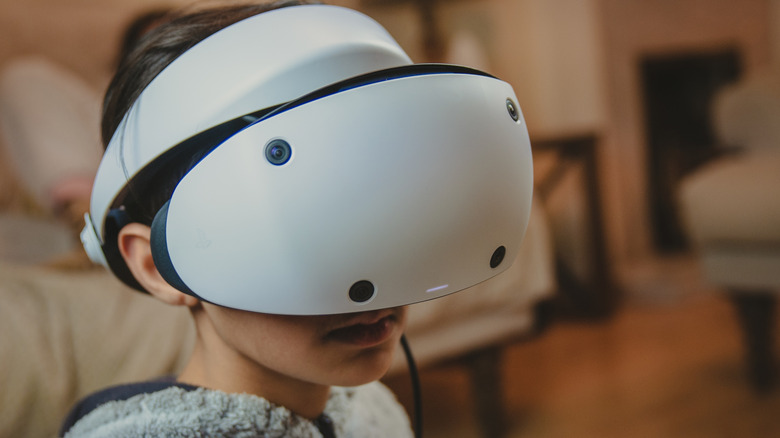
Virtual reality games once seemed like the future of gaming, and Sony tried to invest further in the technology with the second-generation PlayStation VR2. The headset promised to improve the player experience with an OLED display, eye tracking, and haptic-feedback controllers. However, it had a major barrier to entry because, besides paying $550 for the device, you also needed a PlayStation 5. As a result, enjoying the technology required an investment of more than $1,000.
The investment was also hard to justify because of the lack of first-party games designed for virtual reality, which remains one of the PS5's major disadvantages in this area. Although games like "Horizon Call of the Mountain" and ports of "Resident Evil" showed the device's potential, there were not enough experiences to convince players. Another issue was that the new headset lacked backward compatibility with the previous generation, further limiting its library.
In 2025, Sony cut the PSVR2 price to $400, making it a more appealing choice for consumers. It also added PC compatibility, which the headset lacked at launch, through a separate accessory that also gave users access to SteamVR games. But even with these improvements, Sony scaled back its first-party support, and the headset received few new games after release.
Microsoft Surface Duo
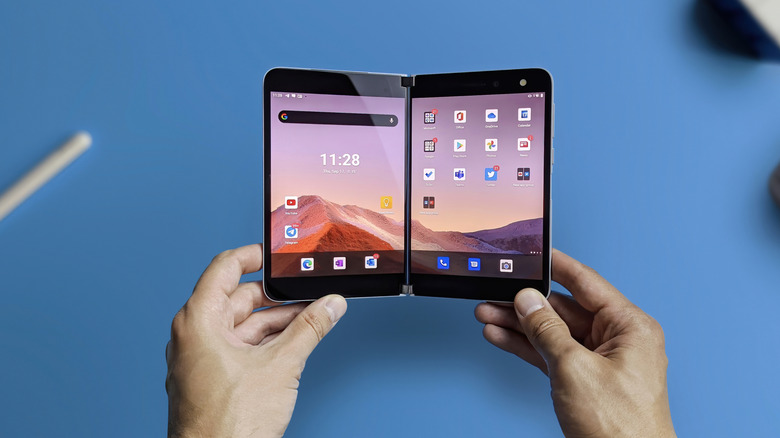
While Samsung had already been dabbling in conventional foldable phones in 2019 with its Galaxy Fold, Microsoft decided to try something different a year later. The Surface Duo featured dual AMOLED screens connected by a hinge, letting users work with different apps on both screens at once. The device aimed to combine the features of smartphones and tablets in one productivity device, although at a rather pricey $1,399.
But the Surface Duo also suffered from software woes, mixed performance, and hardware compromises, including no NFC or 5G, on top of its steep price. Microsoft also tried fixes with the second generation of Surface Duo, but this dual-screen smartphone never really took off. Meanwhile, other foldables started to gain traction, and in 2023 Microsoft threw in the towel on the Surface Duo and exited the mobile hardware space altogether.
Magic Leap One
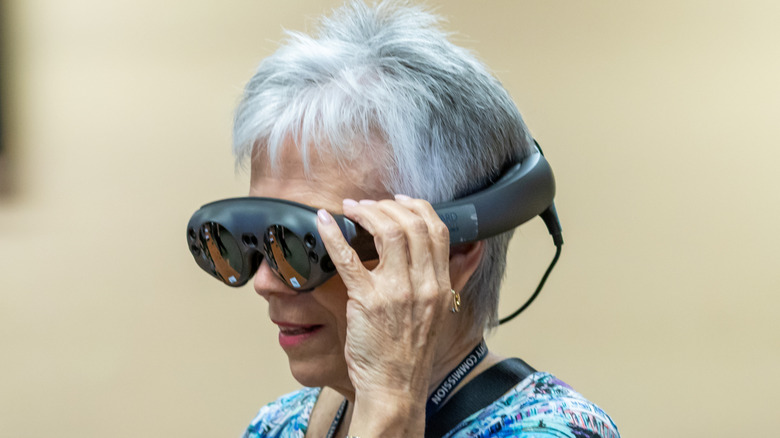
Magic Leap made one of the biggest promises in the augmented reality market. After years of building hype around its product as the future of the industry, with technology capable of integrating virtual objects into the physical world, the Magic Leap One ultimately failed to live up to expectations. The gadget arrived on the market in 2018, costing around $2,295 and fell far short of delivering that revolution.
Although it had come with some interesting features, such as real-time environment mapping, the headset had a very limited field of view. Its battery life also lasted only a few hours, and it still needed to remain connected to an external unit. Another issue was its small app library, since the lack of experiences that justify using these headsets remains one of the challenges preventing this category from becoming mainstream.
In 2020, Magic Leap left the consumer market and focused its investments on enterprise applications. However, for anyone who invested in the company's headset, Magic Leap ended support and essential services for the Magic Leap One in 2024, leaving the device without many of its main features.
How we chose these expensive and overhyped gadgets
To select these gadgets, we looked at a variety of technology categories, searching for smartphones, VR headsets or other cutting-edge devices that promised to shake up their respective markets. We examined devices that generated a lot of excitement before their official release but failed to live up to those promises, whether technically or in execution.
Price was also an important factor in our selection. We looked for products that entered their respective markets at prices considered high for their category, especially compared with competitors, making their limitations harder to ignore. Finally, we chose products with ambitious concepts that showed why consumers had reason to question the hype.