

Bambu Lab Paying Out $27.6M In Massive 3D Printer Tech Lawsuit
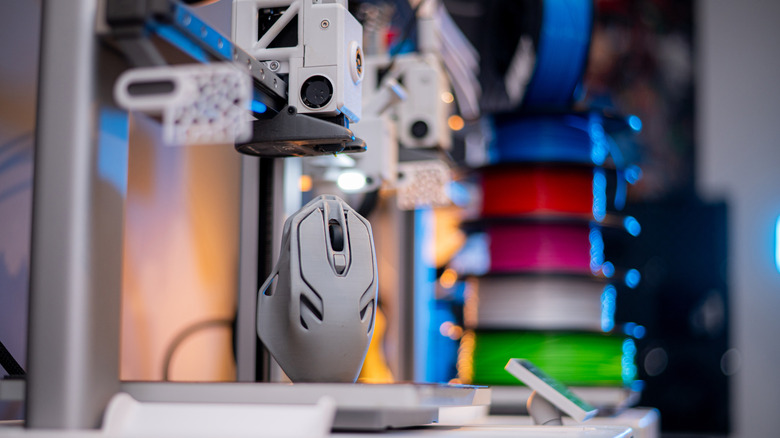
Bambu Lab, which is now one of the biggest 3D printer companies in the world, really did a number on the entire industry. Starting as a small privately owned company based in Shenzhen, China, Bambu Lab had a vision to make 3D printing a lot more consumer-friendly. The company fulfilled that goal, as some of its models, like the Bambu Lab A1, represent the most affordable entry point into the exciting world of 3D printers. However, fast innovation led the company straight into hot water in what could be a case of accidental patent infringement.
Bambu Lab will have to pay Stratasys, Ltd. over $27 million in damages for patent infringement for technologies including automatic bed leveling and purge towers. This is now commonplace in 3D printing, and even though Bambu Lab has been slowly moving away from the exact methods covered in the suit (patent infringement is targeted at the first generation of products), the community is wondering why Bambu Lab, exactly? That part remains a bit of a mystery, but there was an accusation that the company poses a security threat because its servers are likely located in China.
Either way, Stratasys, Ltd., the inventor of FDM 3D printing, filed two separate lawsuits in Texas against Bambu Lab for infringement of 10 patents, which include single-nozzle filament purging. Despite some of these patents being filed 20 years ago and the tech being used by various other companies, the Texas jury found that Bambu Lab is liable for the infringement claims made in the suit. Four additional patents are still not judged, and Bambu Lab strongly disagrees with the verdict, with plans to appeal the decision.
What happens to existing Bambu Lab printers?
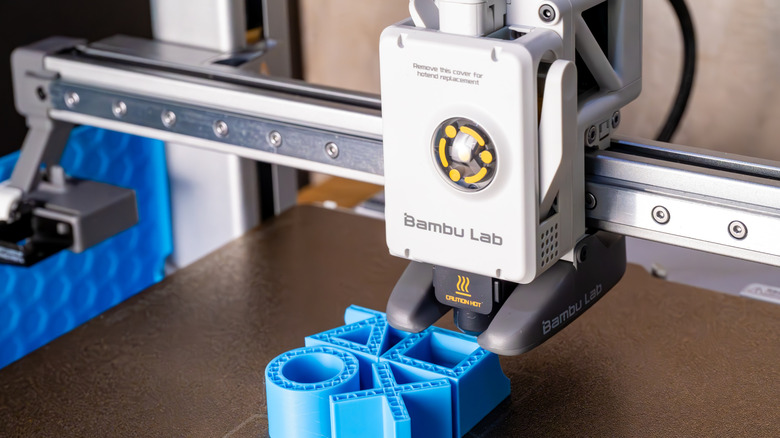
Though Stratasys, Ltd. (a major industry name, especially for those interested in buying color 3D printers) has a fair point, Bambu Lab already won a similar suit in Europe. In other words, the company's use of the technology doesn't constitute patent infringement by European standards, according to the Unified Patent Court in The Hague. Thus, Bambu Lab can technically sell printers in Europe that, by the findings of the court in Texas, are infringing on protected U.S. patents.
Fortunately for Bambu Lab and its fans, none of the 3D printers from the suit were hit with injunctions. This may have something to do with the fact that the infringement claims are limited to printers that have been largely retired. This includes the X1, which has already been replaced by the well-reviewed P2S. Some models like the A1 are technically still relevant, but Bambu Lab had already made plans to retire it in favor of the A2L at a later date.
Older Bambu Lab printers use several technologies that are covered by protected patents. Most notably, the aforementioned single-nozzle operation that all older series used. Its new stuff, on the other hand, uses dual nozzles. So, if you're planning to stick with Bambu Lab devices, there's no need to worry, as you'll be able to find new products in the States. Tough luck for Bambu Lab, but the case should have no impact on U.S. consumers. Even if it did, there are already a bunch of 3D printer brands that can easily compete with Bambu Lab, so there's a 0% chance you're getting left out in the rain.