

How Long Do Samsung Smart Appliances Get Software Support?
We may receive a commission on purchases made from links.
People have been dreaming of smart homes since the 1800s, but the technology available today is lightyears beyond the electric lights and early telephones from that era. Now, it's entirely possible to have your refrigerator, washing machine, dishwasher all manufactured by a single company and all running automatically on a schedule. With modern conveniences come modern problems, however – eventually, including software bugs and firmware updates. Just try explaining that to someone from Victorian times!
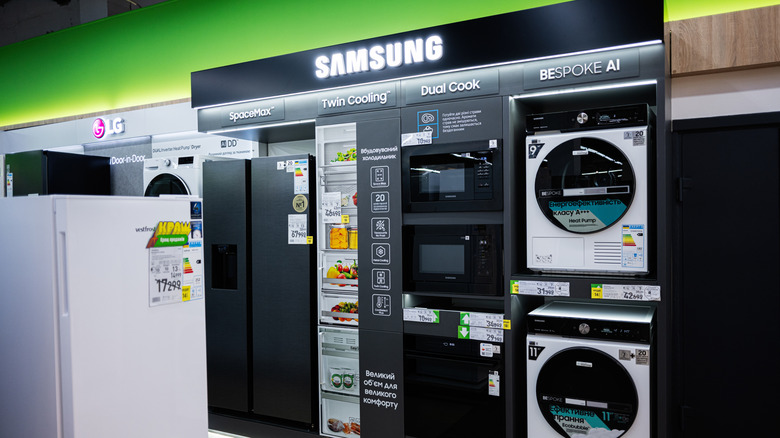
The good news is that one of the most prolific tech companies, Samsung, promises to support Wi-Fi connected smart devices for up to seven years after their initial launch date. The bad news is that there are exceptions to that promise.
For example, your location doesn't factor in at all, which means products that take extra time to arrive in your country may not get the full seven years of software updates. Samsung also says it can still end support early if hardware limitations mean additional future updates are infeasible.
This doesn't mean your device will stop working immediately after software updates halt, though. In fact, a Samsung appliance could remain functional indefinitely so long as the physical parts continue functioning. Samsung also offers a trade-up program, offering to collect your old appliance and provide a discount on a newer model. That's not a bad deal but it does mean you're locked into the Samsung ecosystem and SmartThings app, which your other devices might not support.
Before buying a smart appliance, know what you're getting into
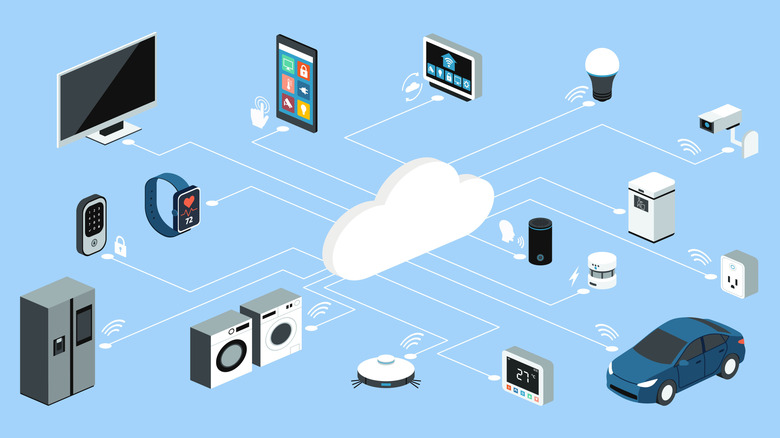
Smart appliances have the potential to streamline the boring parts of life, whether that's remembering a recipe, building a shopping list, or even timing a bake just right. The biggest disadvantages of smart appliances include the risk of unauthorized access and limited functionality in places without stable internet. Samsung even shows ads on its smart refrigerators but at least you can disable them.
There's also the cost: You'll usually pay more for a smart appliance than its "dumb" counterpart. The cheapest standard 24" wide refrigerator from Best Buy is around $500. The cheapest smart refrigerator, with the same width and slightly higher volume, is almost $800. If the idea of an included wifi camera to see what's inside without opening the door appeals to you, a smart fridge might be a solid investment. That said, underwhelming functionality is one of the top reasons people ditch smart refrigerators, so think hard about it before you commit.
There are also privacy issues to consider. Smart appliances link to apps so that you can control and monitor them remotely, but that also means giving them access to personal information, even when it's not always clear why. Samsung washing machines, for instance, want access to your location, contacts list, and photos in addition to the information needed to create a Samsung account. That might not be the end of the world for some people, but if the idea of smart devices passively collecting data freaks you out, it might be best to stick to conventional appliances instead.