

How Much Samsung Tablets Cost In 2016 Vs. 2026
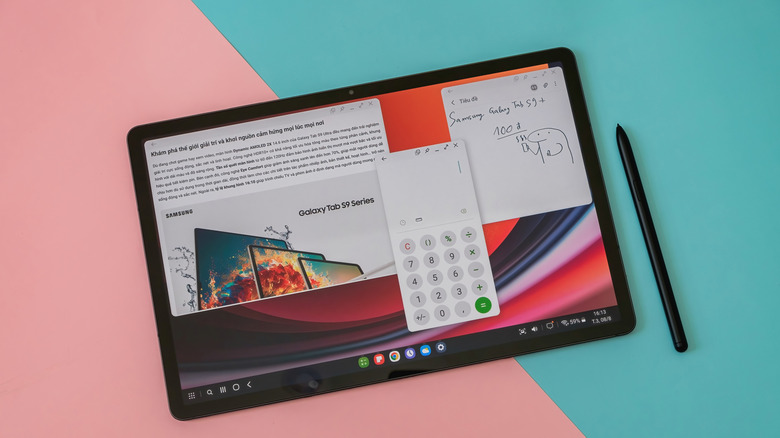
Samsung may be well-known for its line of smartphones and TVs, but it also produces a series of tablets. The company has been making what it calls its Samsung Galaxy Tab series for several years. As time has ticked by, Samsung tablets have not only gotten more innovative, but also more expensive. If you bought one in 2016, you likely spent a lot less on it than you would today, and there are a few reasons why.
In 2016, Samsung had several tablets available to buy. Each was priced differently to reflect features such as screen size, storage, and line. Ten years ago, it wasn't uncommon to see prices for lower-ranged Samsung tablets begin near $179.99. Mid-range tablets cost somewhere between $379.99 and $599.99, with more premium models costing anywhere from $699.99 to $999.99. By comparison, 2026 sees lower-ranged Samsung tablets start at $249.99, mid-range at $549.99, and more expensive tablets being around $1,499.99.
Tablets back then featured smaller screens, lower resolution displays, less storage, and lower quality cameras. Today, all that has been upgraded for modern Samsung tablets, making them more efficient, faster, and sleeker when used for work, play, or streaming. To provide a better rundown of Samsung's various tablets, we've listed every Samsung Galaxy tablet by price.
Cost comparisons across a decade

Over the last decade, Samsung tablets fluctuated in size, features, and various aspects that have impacted their overall price. If you wanted a tablet, Samsung developed several such devices the company referred to as its Samsung Tab series. The Tab line continued through 2026, with new iterations that expanded on the technology available back in 2016.
Samsung tablets in 2016 included the Galaxy Tab 4 7.0 (Wi-Fi), Galaxy Tab 4 8.0 LTE, and Galaxy Tab S 10.5 (Wi-Fi).. These varied from lower to mid-tier options, but functioned differently. All had the ability to connect to Wi-Fi, but many came with cellular LTE service as well. Tablets with LTE were more expensive then and still exist today, but may not be quite as expensive, depending on the model. Samsung makes a few affordable tablets for work and home like the Tab 9, too.
The higher-end Galaxy Note Pro 12.2 in 2016 cost around $999.99 for the 64GB option. It has a 12.2 inch sized screen and a resolution of 2560 x 1600. Compared to the Samsung Galaxy Tab S11 Ultra today, you'll spend around $1,499.99, but you get a 14.6 inch Dynamic AMOLED screen, up to 1TB of storage, and 2560 x 1600 pixels. You'll notice price jumps when it comes to display size, resolution, and especially RAM, which is a big reason why Samsung tablets cost so much more now.
What contributes to higher prices?
Lower-ranged Samsung tablets are priced as such due to the smaller screen. This makes them more convenient and easier to carry around with you for work, school, or play. Mid-tier Samsung tablets sit at their price points due to faster processors and bigger screen sizes. The higher-priced tablets made by Samsung cost so much in part due to even larger screens, better resolutions, and expanded storage capacities.
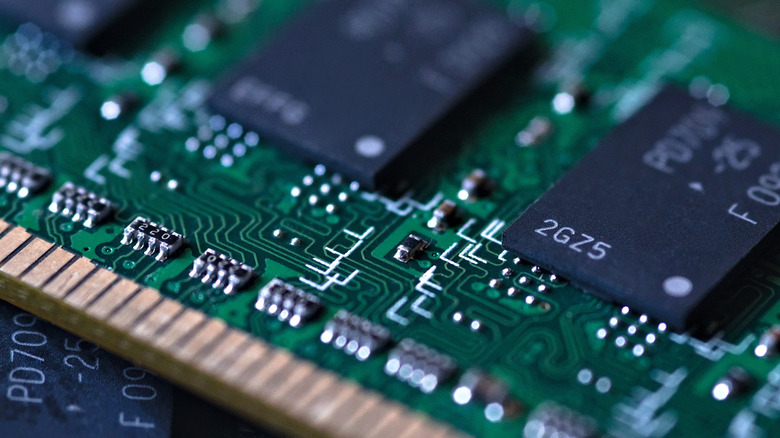
However, all three tiers have increased drastically in price, as there's a higher need for RAM nowadays, especially to power computers in AI data centers. All Samsung tablets require powerful RAM cards in order for them to function. If you want to enjoy streaming your favorite show, working on the device, or even gaming, reliable RAM is important. As AI data centers invest in more space, they require more RAM, which is hiking up the price for consumer gadgets such as tablets.
RAM may be back in production, but it isn't going to magically fix the situation faced by tablet manufacturers. As data centers continue production and more are being built and brought up in city meetings, the RAM crisis will continue. If you're looking for a new tablet, you can find some more affordable ones from Samsung or other manufacturers, but you'll still spend much more than you did back in 2016.