

What Does GHz Mean On A CPU?
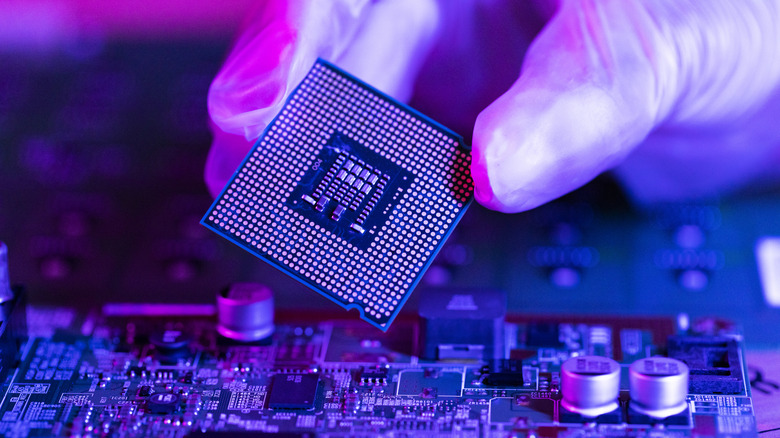
GHz, which stands for gigahertz, is the measurement of cycles per second that the central processing unit (CPU or processor) can perform. A gigahertz is a billion cycles per second, and it is generally understood that the more GHz on the CPU, the faster the computer will be. However, with years of efficiency and tinkering under the belts of processor makers like Intel and AMD, they can now achieve significantly faster speeds at lower GHz than previous generations.
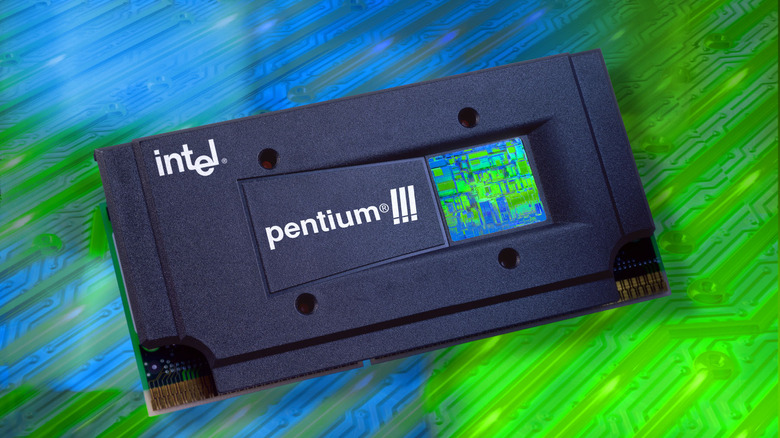
AMD was the first to break the GHz barrier with its Athlon CPU, which hit the market in 1999 priced at $1,299. Its launch saw Intel quickly get the Pentium III out the door at $990, but the quick move meant that supply was hard to come by. AMD went on to sweep awards across different outlets that year, and it kicked off the rivalry for being at the center of your PC and the GHz race began to morph into the multi-GHz that we see today.
Who has the highest GHz and does it even matter?
Intel currently holds the highest GHz attained by consumer hardware with the i9 14900KS that can reach 6.2GHz normally, but its slightly weaker sibling, the 6GHz 14900KF, was pushed to 9.13GHz in 2025. Likewise, the 14900KS proves that more GHz doesn't mean a better CPU anymore, in the grand scheme of things. On Geekbench, Intel's latest desktop chip, the 270K Plus, attains a higher multi-core and single-core score than everything that has come before it, with 3.7GHz.
The overall power of the CPU now mostly comes down to how many cores are on the chip. Each core is rated at the advertised speed, so when AMD launched its powerful workstation CPU, the Ryzen Threadripper 9980X, it sports 64 cores at 3.2GHz per core. When put to use in multi-core, it dominates the list by a good margin on Geekbench's list, but it's handily beaten by the faster clock speed, lower core count Ryzen 9 9950X3D2, at 4.3GHz on 18 cores, in single-core performance.
Comparing across architectures, AMD and Intel are x86, the traditional PC option, while Apple and Qualcomm work within the ARM space. ARM has typically been used in phones or other lower-powered devices. However, as development and improvements have been made, these chips have begun to clock in some wild performance, including in GHz. Apple has attained 4.6GHz with its Apple M5 Max chips, and the Ultra has the same, just with double the core count, from 32 or 40 to 64 or 80.