

How Long Will Your Old Digital Photo Frames Last?
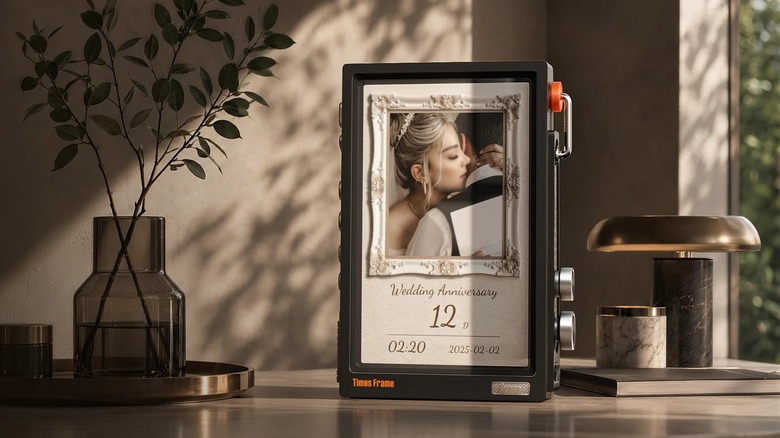
Most displays, from TVs to computer monitors, have lifecycles rated in hours of use. It's not an exact science; some last longer than others, but generally, the longer they're powered on, the shorter they last. You can expect a cheap or budget-friendly TV to last around 45,000 hours of use, while newer technologies can last up to 100,000 hours or 15 years. What about smaller displays, though? Does a digital photo frame last as long as a TV? It depends.
On average, a consumer-focused digital photo frame will last about 3 to 5 years when left on all the time. In hours, that's about 26,000 to 44,000 hours. But that lifetime also depends on several factors, including the display technology used, the quality of the materials and components, how often you leave it on, how you use it (static images versus rotating images), and whether the manufacturer extends software support. For the latter, some products reach their official end-of-life for software support, yet they still work just fine for years after. Then there are the other components or parts inside a digital frame. Photo frames also contain internal storage, batteries or power supplies, and other hardware — such as a Bluetooth module or Wi-Fi card for wireless connectivity. The display is a major component, but these smaller parts can fail at any time and prevent the frame from reaching its expected lifetime.
Quality frames should last longer overall. Some users of nondescript models have mentioned theirs lasted much longer than the given timeframe, ten years and beyond.
Can you leave a digital photo frame on all the time?

It is generally safe to leave a digital photo frame on; after all, that's what they're designed for, but it is worth noting that it may shorten its lifespan. However, many digital photo frames will enter a low-power state or activate a screensaver when left on for long periods or when no one is watching, which should, theoretically, help the display last longer.
You also have to consider the common issues that plague displays of all types. Static images, including text, that remain onscreen for a long time can create something called burn-in, where it stays visible and never goes away. OLED panels are especially susceptible to burn-in from static images. That means avoiding static content is always a good idea, so you don't want to leave the frame displaying a single photo for too long, no matter how much you love it. You could use a randomizer or shuffle mode to keep things interesting. You should also use those screensavers and low-power states to keep the display running optimally, and maybe turn the brightness down, since lower brightness can extend display lifetimes, especially for LED and LCD panels.
You can also repurpose old digital photo frames in some pretty unique ways, which may or may not change how the displays are handled. If you turn one into a secondary monitor, for example, odds are you won't leave that on all the time when it's not in use.