

Can You Really Tell The Difference Between Expensive And Cheap Routers?
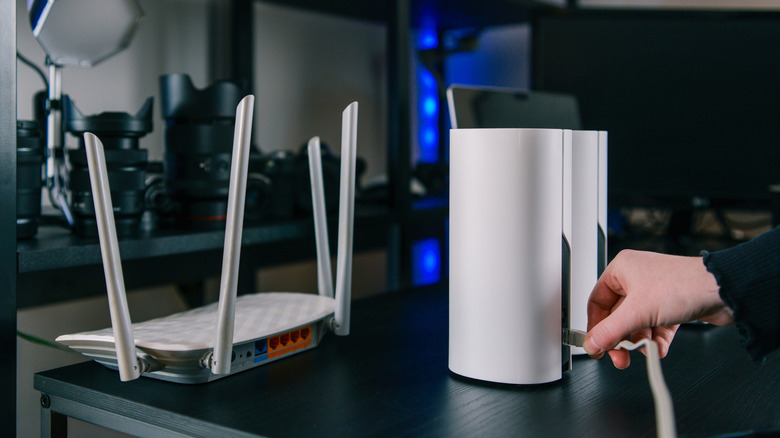
When shopping for routers, it can be understandably difficult to believe the wide range of prices. The latest and, supposedly, greatest might have an eye-watering $600 price tag, while a best-selling router that's still relatively new to the market goes for no more than $60. So what's the catch? I've relied on a cheap travel router, I've dealt with middling ISP-provided routers, and I've also reviewed premium routers that one might take out a small loan to buy, so I have hands-on experience with routers at a range of price points.
From what I've learned, you can tell a difference between expensive and cheap routers mainly when one thing happens: several people connecting to and using the Wi-Fi network at once. Just like your computer requires extra RAM to run several applications at once, your router also requires RAM (and other components, like a CPU) to manage the streams of several devices at once. Expensive routers typically come with the hardware needed for that work, while cheap routers skimp to save you money while still technically offering many of the same features.
You may also see an issue when you live in a multi-level home. The more distance and the more walls and floors between you and the router, the more strain you're putting on your router's resources. Again, cheap routers tend not to be equipped for high-performance situations, so the more you ask of your router, the more you can see a difference in a high-end router purchase.
Consider your use case before a purchase
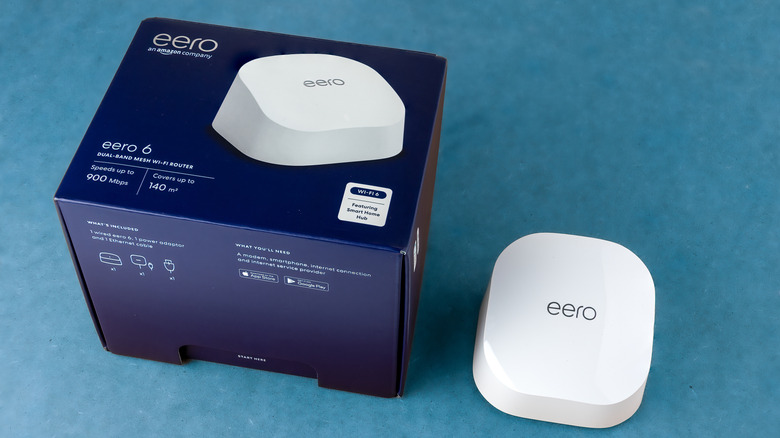
Comparing the specs on a cheap router versus its pricier counterparts, the stat that usually stands out is the bandwidth. For example, the TP-Link Archer AX10 offers 1,500 Mbps combined speeds, while the Netgear Nighthawk RS600 WiFi 7 Router hits 18,000 Mbps (18 Gbps). It might sound like you're really missing out when opting for the cheap router, but when I look at those routers, I'm thinking about what my bandwidth needs actually are.
For one thing, your internet plan can limit how much of an expensive, 18 Gbps-rated router you can actually take advantage of. Stats from AllConnect show that the most common internet plans in the U.S. don't go above 400 Mbps — well within the bandwidth of the Archer AX10. For my gigabit fiber internet plan, I prefer to give myself a higher ceiling with a more powerful router. I also keep in mind the bandwidth needs of individual users. Are people in my home regularly streaming multiple 4K movies at once? Are they also playing online multiplayer games and need ultra-low latency to compete? Unless the answer to one or both is yes, then a high-end router probably isn't worth it.
Then, of course, there's the home I'm putting the router into to consider. I'm living in a 1,500 square-foot, multi-level home, so the 1,000 square-foot coverage of the Archer AX10 doesn't cut the mustard for me like it would if I were still living in my old 900 square-foot apartment. In a different situation, I'd seriously consider downgrading to a cheap router. The actual bandwidth, coverage, and multi-device support needs are what make an expensive router purchase more worth it.