

Amazfit Helio Strap Vs. Fitbit Air: Which Screenless Tracker Should You Buy?

Screenless health trackers are a great alternative to smartwatches if you're looking for a distraction-free way to keep tabs on your heart rate, steps, sleep, and other health parameters. The Amazfit Helio Strap and the Google Fitbit Air are two popular options in this space. They're both highly rated, and they're similarly priced. However, during our research, we found that the Amazfit appears to have a slightly longer battery life, while the Fitbit is smaller, lighter, and has a few more health and fitness features.
Both of these trackers are affordable alternatives to the popular Whoop strap. Whoop is a membership-based tracker starting at $199 per year for a device and a membership, while the Amazfit Helio and the Fitbit Air each cost about $100. The Fitbit Air offers an optional Google Health Premium upgrade for $99 per year, which gives you access to an AI coach and provides additional health insights. However, the Amazfit provides its full functionality and app access with no subscription fees.
Which one of these devices should you buy? They're similar enough that your choice may come down to some of the finer details of their appearance, performance, and battery life.
How do the Amazfit Helio Strap and Fitbit Air stack up against one another?
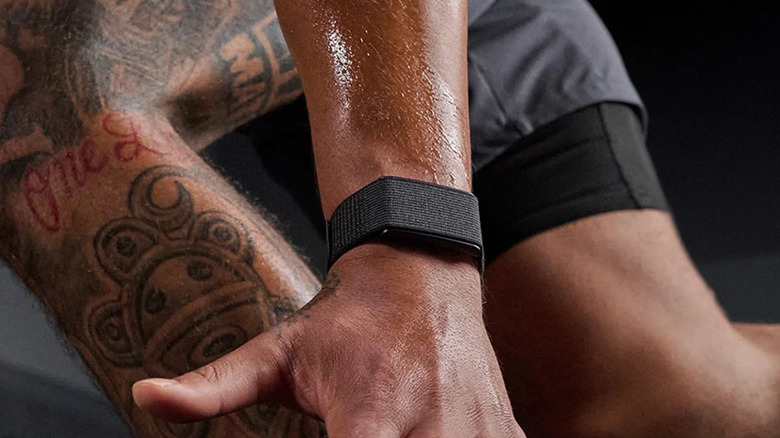
The Amazfit Helio and the Fitbit Air straps are very similar in appearance. They are both plain nylon straps with screenless sensors. They are typically worn around the wrist, although some people prefer to wear the Helio around their bicep so they can still wear bracelets or a regular watch. The Amazfit is only available in black, while the Fitbit Air is available in four colorways and some special editions like the Pokémon Sleep edition. The Fitbit Air is also smaller and lighter than the Amazfit Helio.
Both devices track your heart rate, blood oxygen levels, stress, sleep, and activity. Within the apps that connect to these devices (Zepp for the Amazfit Helio, Google Health for the Fitbit Air), you can view additional insights about the data your device collects. The Fitbit Air also offers distance and VO2 max tracking, while the Helio has a dedicated swimming workout mode. In reviews, we also noticed that some customers pointed out concerns about the accuracy of heart rate and sleep tracking of the Amazfit. There were some similar concerns about the Fitbit Air raised on Reddit posts, though most reviews for both devices are positive.
Users of the Fitbit Air say the advertised battery life of seven days is accurate, with several users reporting that the device loses about 10% of its battery per day. Likewise, the Amazfit Helio boasts an impressive battery life of 10 days, and reviews support this.
How do these trackers compare to Whoop?
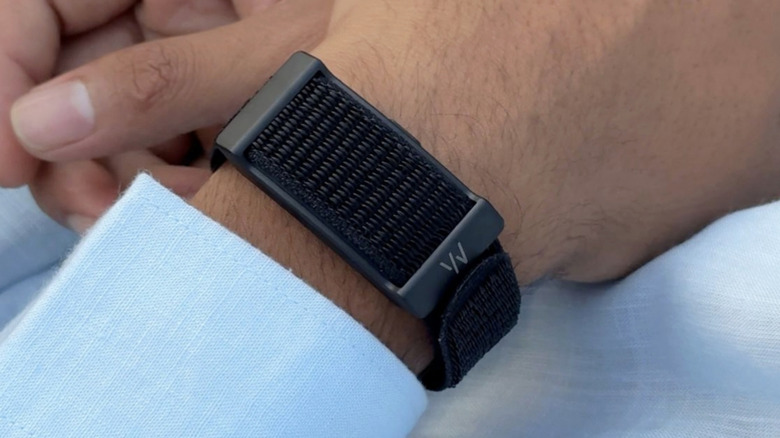
Many people who eventually choose an Amazfit Helio or a Fitbit Air do so because they're looking for an alternative to Whoop. Whoop is a complete health and wellness service centered around the Whoop device, a screenless strap-style fitness tracker that collects data on your sleep, movement, recovery, and stress. The service offers advanced health insights like healthspan (your estimated "Whoop Age"), strain, and stress. There are different tiers of membership with different devices and features, but they are all the screen-free strap style.
The Amazfit Helio and the Fitbit Air are both less expensive, but the data they collect and the insights they provide aren't quite as comprehensive as Whoop. While Whoop may be an excellent choice for athletes or people who are looking to fine-tune their performance or overall health, the Amazfit Helio or the Fitbit Air would be good picks for people who are new to health tracking or working out — or people who have broader health goals, like getting healthier or losing a few pounds.