

How Long Do Bose Smart Speakers Get Software Support?
We may receive a commission on purchases made from links.
Ah, longevity is the spice of devices, or something like that. The longer your technology lasts, the better the experience. No one buys new gear expecting or wanting it to fail early. So it's always a good idea to consider the average lifespan of anything you own or that you're soon to own. Most Bose owners aren't surprised to discover the company's speakers have a solid reputation, often lasting for over 10 years and sometimes as long as 25 years. However, another aspect of reliability is the length of time a company is willing to offer software support. Modern devices generally get new features, bug fixes, security enhancements, and a host of other benefits from software and firmware updates. When that support ends, devices can sometimes go dark. How long can you reasonably expect smart speaker manufacturers to provide this type of support, especially from a renowned brand like Bose? The answer may surprise you.
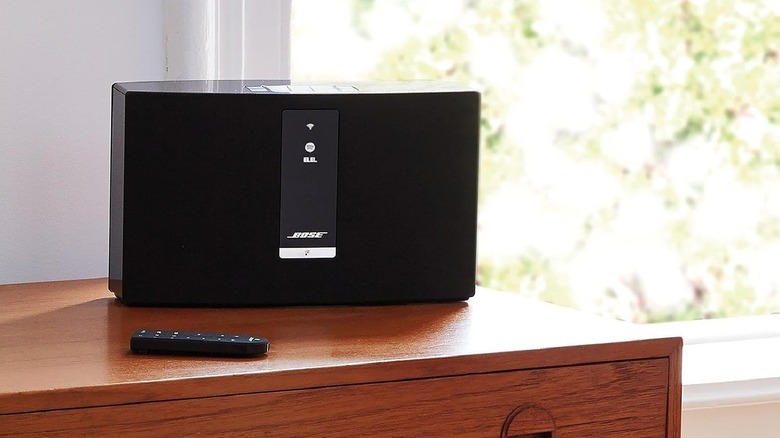
Bose doesn't actually give a direct timeline or expiration date for software updates for most of its smart speakers, but we can infer rough estimates from past dealings. In May 2026, Bose officially shut down support for its SoundTouch line of speakers, namely cloud platform support. The Bose SoundTouch series was originally launched back in 2013, which means some of the line has been around for over 13 years. The brand kept its word, too, because Bose announced right at launch that the series would see 13 years of support ahead.
That's a long time in the world of tech devices. What about more recent models? The Bose Portable Smart Speaker from 2019 still gets software updates, and the Bose SoundLink Mini II SE from 2019 does, too. A support range between seven and 13 years is more than solid.
Bose handled the SoundTouch phase-out better than most
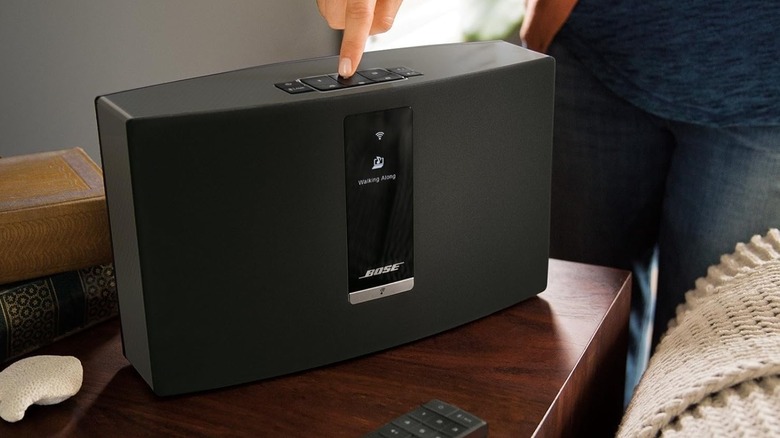
What's also important to note is that, while the SoundTouch line lost some cloud-based functionality — which is certainly frustrating to a few owners — Bose made sure the devices aren't bricked and can still be used locally. Bose announced it was discontinuing sales of some SoundTouch models in 2020, building out a small lead time. In addition, it made the SoundTouch API open-source, so independent developers can continue supporting them with custom tools and applications. Rather than locking down the speakers and preventing anyone from ever using them again, Bose made sure that most current owners could continue using the devices offline and built an opportunity for a strong development community to continue supporting them in the future.
Does that guarantee the same support will be offered to all of its smart speakers going forward? No, but it's a lot better than the alternative: the speakers being bricked and no longer working at all. Bose SoundTouch also lasted way longer than something like Google's Home Max, which was killed off after just three years back in 2020.
When the cloud support went offline, SoundTouch owners lost access to quick-access presets, music playback and browsing through the SoundTouch app, stereo pairing for select models, and smart assistant support. Yes, your old Bose speaker might have lost some of those extra features, but it's entirely possible community developers will restore access. AfterTouch brings many features back, by the way. Bose does sell additional smart speakers with built-in voice assistants if that's what you're looking for. If you want an alternative smart speaker brand with the best overall software support, Sonos provides over 15 to 20 years of support for its products, including most, if not all, of the speakers it has ever released.