

Your Nvidia RTX GPU Won't Get New Windows 10 Drivers Anymore - Here's Why
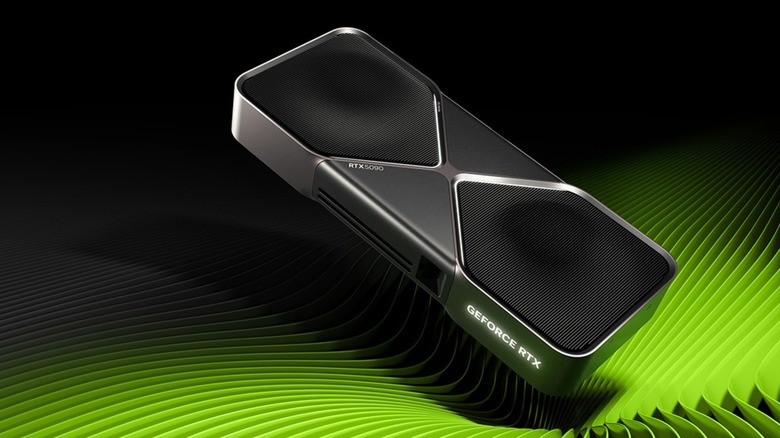
Linux and Windows are often considered the two operating systems that provide the best PC gaming experience, but if you're still using Windows 10, Nvidia is ditching support for it due to a dwindling number of users. Nvidia announced that it will finally end support for Windows 10 computers. Originally, the company wanted to pull the plug on October 14, 2025 – the same day Microsoft discontinued Windows 10 support.
Nvidia delayed the inevitable by one year due to the then "large number of GeForce users currently using Windows 10." But now that time is up, and the bell is tolling for everyone who still plays games on Windows 10 computers. It doesn't matter what GPU you own; if you use any Nvidia graphics card on a computer still running Windows 10, you will be affected. When Nvidia says it's ending support, though, it's only talking about Game Ready Drivers. These drivers improve GPU performance when playing certain games and occasionally fix critical bugs and glitches.
The final Game Ready Driver for Windows 10 will go live sometime in October, presumably October 14. Nvidia isn't completely abandoning Windows 10 users, as it will provide critical security driver updates through October of 2029. However, these are only meant to patch up security vulnerabilities and keep users safe from viral attacks that target their GPUs. If you plan to use an Nvidia GPU on a Windows 10 PC after 2029, you're on your own.
Outdated doesn't mean obsolete

You should keep all your computer drivers as up to date as possible to ensure the best performance and to maintain security. However, GPU drivers are the sole exception. You can still play games if you don't keep your Nvidia drivers updated, but don't boot them up expecting the best performance. Your GPU will ultimately determine your average FPS.
All things being equal, if you plan to play games such as "Call of Duty: Modern Warfare 4" on PC, you may experience smoother performance on Windows 11 because the Nvidia Game Ready Drivers will only support that OS. Then again, Game Ready Drivers usually only target big-name titles, so more indie projects like "Edge of Memories" and "No Rest for the Wicked" probably won't receive supporting drivers and will thus provide the same performance across Windows 10 and 11 devices with similar hardware.
In the grand scheme of things, you might struggle to notice any differences in performance if you keep Windows 10. Sure, some games might annoy you every time you boot them up with pop-up messages that state your GPU driver is outdated, but it's not like you will miss out on ray tracing or DLSS if you forgo Game Ready Drivers. However, if a game becomes unstable or October 2029 rolls around, we highly recommend upgrading to Windows 11 so you can receive new Nvidia drivers. Just be prepared to deal with the occasional buggy Windows 11 update.