

The FCC Is Trying To Ban Chinese Labs From Testing U.S. Gadgets - Here's Why
When you go shopping for new devices, reviews can be a great tool, alongside regulatory testing results. Personal taste can only get you so far, and you need to know if that smart TV you want to purchase is worth the money. Many people rely on outlets such as Consumer Reports to help them find or avoid the best (and worst) smart home gadgets because the company is so reliable. But what if a device is tested and reviewed by an allegedly untrustworthy source? Earlier this month, the Federal Communications Commission (FCC) decided to vote on whether the organization will stop recognizing testing conducted by Chinese labs (and other countries) on electronic devices. If the vote is passed on October 29, then starting December 1, 2028, no electronics sold within the U.S. would be tested in Chinese laboratories or other accreditation bodies. This could potentially include smartphones, cameras, computers, and numerous other devices.
The crux of the issue lies with what is known as a Mutual Recognition Agreement (MRA). Basically, two governments agree to accept the test results of product approval boards set by their respective countries and (mostly) evenly share in the responsibility of testing. This reciprocal agreement is designed to ensure all devices meet a tests that meet a recognized standard of safety and integrity. Since the FCC states China doesn't have an MRA with the U.S., the organization wants to take corrective action to ensure the integrity of test results so testing labs don't greenlight potentially dangerous devices. The FCC also claims this ban could help "secure the integrity, reliability, and resilience of the communications devices upon which the United States depends."
Second verse, same as the first
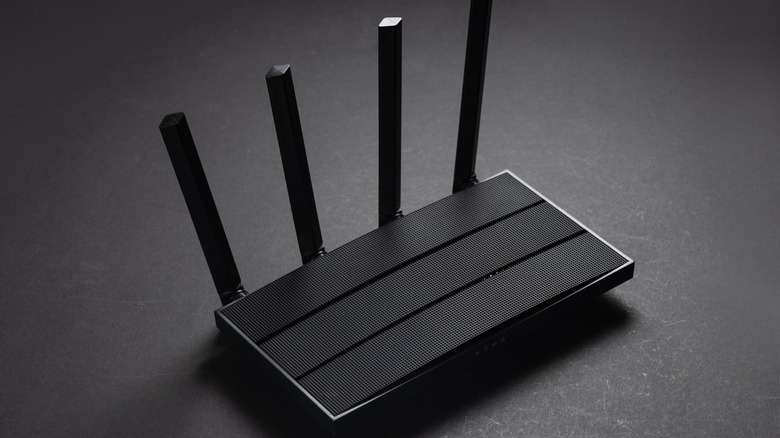
To say that the U.S. and China are at odds would be an understatement. The U.S. government has been on a banning spree for China-built tech. Earlier this year, the government banned routers manufactured in foreign countries — including China — citing potential risks to national security, only to relax the ban on Chinese routers a few months later. The FCC's proposed ban might sound familiar to people who have been paying attention to this spat.
Let's say that the vote goes through; what happens then? The FCC would accept devices accredited in test labs from non-Reciprocal Economies — including China — until December 1, 2028, at which point it wouldn't recognize anything that passes through their labs. The U.S. would then enter into testing agreements with countries that have MRAs, which would reportedly be a strenuous process to ensure their accreditation equipment is up to code. The FCC would also potentially set up test labs in the U.S. to avoid overconcentration issues that could strain supply chains — and give one country leverage over another.
Furthermore, the FCC would maintain a constantly-updated list of countries with Reciprocal Economies that would determine whether the organization would recognize the results from their testing labs. While a country on this list could easily be removed, others could also be added. China doesn't have an MRA with the U.S., but the FCC is potentially open to a future where the U.S. and China enter into a reciprocal agreement that lets the countries acknowledge the results of their respective accreditation test labs. Such a step would go a long way into bringing Chinese EVs to the U.S.