

4 Simple TV Solutions You Should Try Instead Of An Xfinity X1 Cable Box

Cable TV has been around for decades, and Comcast is one of the longest-standing providers, operating under its Xfinity moniker. As far as hardware goes, the Xfinity X1 cable box is one of the main components of a Comcast household, and these aren't just your average set-top boxes. In addition to live TV services, most X1 boxes allow you to record content and access on-demand programming, and some units even have built-in apps like Netflix and YouTube. But in the age of cord-cutting, an Xfinity setup is far less essential than it used to be.
If you've ever considered ditching Xfinity cable, you're not alone. Over the last several years, many popular entertainment platforms have introduced streaming apps, negating the need for a complete cable TV bundle. That's just scratching the surface for alternatives to traditional cable, and there are plenty more X1 substitutes to learn about.
To that end, we've come up with a list of simple TV solutions you can try instead of paying for an Xfinity X1 system. Keep in mind that this isn't an exhaustive list, as content providers are always creating new platforms and tools to keep you connected and entertained.
Combine paid and FAST entertainment apps
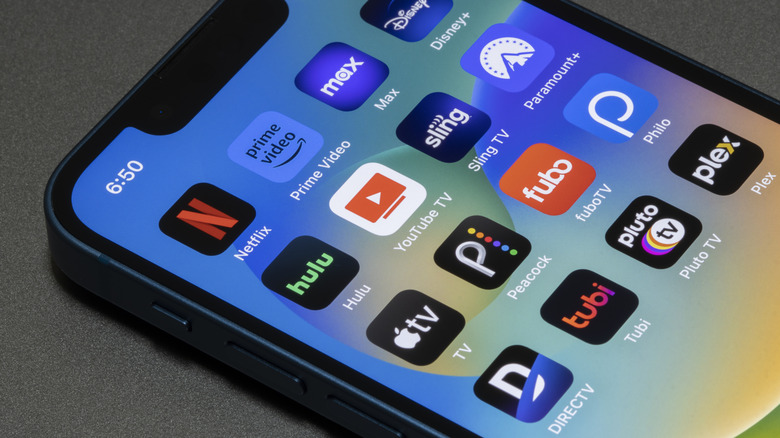
Jumping the X1 ship doesn't mean saying goodbye to the movies and shows you love — it just means finding new mediums to enjoy said media. Luckily, most cable TV channels have ported much of their programming over to streaming apps, and platforms like Peacock and AMC+ are loaded with both current and legacy content. Many of these companies will also license movies and shows to major streaming hubs like Netflix, HBO Max, and Disney+.
Instead of paying for an entire X1 bundle, you could mix and match paid mainstream and niche platforms. You'll just need to make sure you're paying for internet service. This is Cord-Cutting 101, and there's a good chance that paying for multiple apps — instead of one umbrella cable package — could save you money in the long run. The majority of these apps are also available on most streaming devices and smart TVs, and products like the Amazon Fire TV Stick are often available at sale prices.
You can also sweeten the deal a bit further by adding in FAST (free, ad-supported television) platforms for ancillary content. FAST apps like Tubi, Pluto TV, and The Roku Channel offer a large selection of on-demand movies and shows in addition to live TV content. Oftentimes, these niche providers will offer whole seasons of popular shows, and the ad breaks may not be as aggressive as what you'll experience with an X1-powered setup.
Look at the cable TV competition
Comcast isn't the only player on the board when it comes to traditional cable packages. Depending on your ZIP code, you may actually have a handful of competitive providers to choose from. The X1 interface and user experience are quite similar to what Spectrum TV offers, and the latter is available in more than 40 states. Both Comcast and Charter Communications (Spectrum's parent company) are titans of the cable TV space. That said, their pricing may not be different enough to warrant switching.
This is where it might serve you well to look into smaller, regional cable providers. Companies like Optimum, Xtream by Mediacom, and Astound Broadband offer traditional TV programming alongside internet service and on-demand content for specific markets. If you happen to live in one of these areas, keep your eyes peeled for new-subscriber promos — especially during the back-to-school and holiday seasons. And bonus points if you're matriculating: Cable and internet providers often create student-exclusive deals that are tough to beat.
While we can't say for certain that dropping X1 in favor of another cable provider is going to put money back in your budget, there's nothing wrong with shopping around. Look at channel offerings, rental fees for equipment, and monthly pricing, of course, and don't hesitate to make the switch if you like what you see. You can always switch back to Xfinity if you're unhappy.
Install an over-the-range antenna
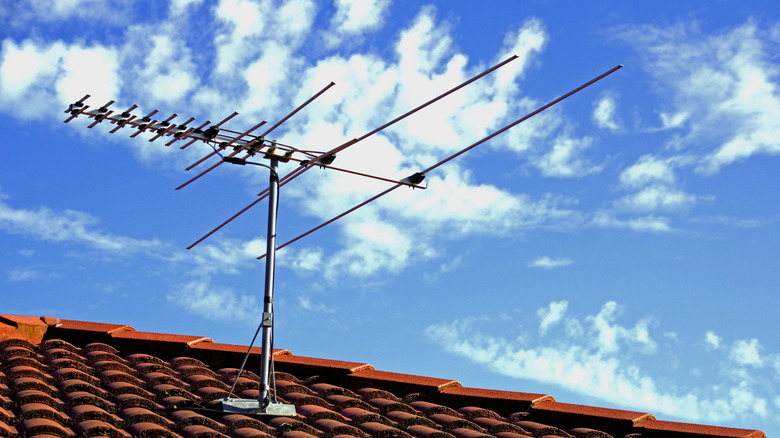
Before the advent of cable TV, if your household was picking up TV stations, it was doing so by way of an over-the-air (OTA) antenna. Traditionally, OTAs were roof-mounted, and programming was fed to a TV via a coaxial cable. This technology never went away, though; in fact, once high definition entered the playing field, OTA broadcasts got even better. Nowadays, you can just hook up an antenna in the same room your TV lives in (at least in some cases) — no coaxial splitter or wall plates required. Oh, and the best part: All the stations you pick up are free.
With an OTA antenna, you'll usually be able to access major networks like NBC, ABC, CBS, and FOX, on top of whatever affiliate networks share the same broadcast towers. And the stronger your antenna's reception is, the better it will be at picking up stations that are miles and miles away. Is it the same experience as using an X1 receiver? Absolutely not, but it's a zero-dollar (other than the cost of the antenna) alternative to a regular cable setup.
You can still mount an antenna on your roof or attic space, too. Brands like Antennas Direct and Winegard are well-regarded for their reliable, long-range antennas, and some of these products even offer motorized rotation, allowing you to fine-tune your antenna's positioning for the best reception. We're also living in the age of ATSC 3.0, a next-gen broadcasting standard designed (among other things) to bring 4K UHD video into homes and businesses via OTA technology.
See what your phone carrier is offering
Now and then, cell phone carriers like Verizon, AT&T, and T-Mobile will bundle cable TV and streaming bonuses into their plans. Depending on your coverage, you may be eligible for one of these add-ons (or have access to the perks and don't even know it), and sometimes the deal is very good. For instance, T-Mobile likes to bundle Netflix and Hulu (typically with ads) into a number of its plans, particularly its Experience Beyond subscription.
This opens a couple of doors for you: If you're a qualifying customer, your wireless plan may include streaming content that you'd otherwise need to purchase separately through paid entertainment apps. This also puts you in an ideal position to reassess exactly what you're getting with your Xfinity X1 service. While you may not save boatloads of money, you could potentially ditch a whole bunch of channels you never watch. That's money back in your pocket, and every penny counts.
Oh, and if you'd rather stick with the Xfinity X1 ecosystem but wish you were paying a reduced monthly or annual premium, you could always threaten to cancel service. Some providers have entire customer retention departments, and their sole purpose is to keep you from cutting the cord. Who knows? You may get off the phone with a lower monthly fee plus a bunch of free premium channels.