

What Is The Most Affordable Gaming Console In 2026?
In 2026, the big three gaming industry brands, Microsoft Xbox, Nintendo, and Sony, all have a finger in the pie when it comes to a consumer's decision to buy a console. Sadly economic shifts happen; as a result, gaming has become a luxury not everyone can afford. On paper, Nintendo ties Xbox for the cheapest console to date among the three in the U.S., but it's also the weakest (in terms of hardware), and owning one of its systems comes with hidden costs.
For example, Nintendo first-party titles aren't often on sale — so you're likely coughing up the full price. Secondly, software upgrades aren't always free, as most were with the Xbox Series X, the PlayStation 5, and PlayStation 5 Pro. You usually either pay the Nintendo Switch Online fee — around $20 per year (individual) – or you pay separately for the meaningful ones — around $5 to $20 per game. This isn't terribly pricey, but you can start bleeding out costs if you want the most technically advanced experience with popular Nintendo Switch titles like the "Xenoblade Chronicles" franchise.
Compared to current-gen, the Nintendo Switch 2 costs $500 without a bundle, while the Xbox Series S is priced similarly for the 512 GB edition. The difference is that the Xbox Series S, while still current-gen, is old and digital-only (Microsoft likely incentivizes you to pay for Xbox Game Pass for a more complete experience). The Nintendo Switch 1 would be a fairer comparison; it is still being sold and priced at $230 in 2026. By today's standards, that's the cheapest anyone can get new, even if it is considered last-gen.
Upfront costs for console gaming aren't everything
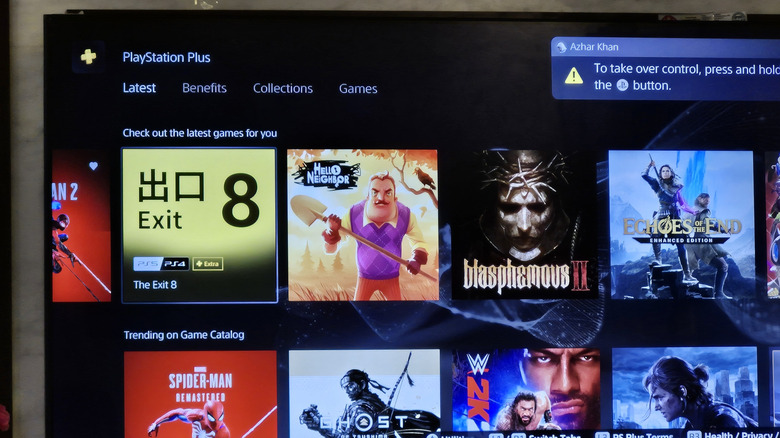
The console itself, games, subscriptions, and accessories can drive the costs higher than you'd like. Both Sony and Microsoft charge for expensive online services, which can make Nintendo's $20-a-year look quite appealing. But some of that value is hidden. For example, Sony and Microsoft let you play modern AAA games in their catalogs, and both libraries are expansive. If you take advantage of this, it can save you $60 to $80 per game, which adds up over time.
Nintendo's online membership does have a library of retro games, but none are from the current-gen console. Accessories are another issue. Nintendo may have cheaper consoles, but it doesn't include a premium controller, which arguably offers similar quality to what you'd get from Microsoft and Sony. There's also storage space constraints. The Nintendo Switch 2 uses microSD Express to expand its meager 512GB storage.
The 256GB licensed option costs $60. It's also the only realistic way to expand storage unless you buy cartridges only (not Game-Key Cards) to conserve internal memory. The Xbox Series S and X offer models ranging from 512GB to 2TB (Xbox Series X only), and the PlayStation 5 and all its editions offer a similar range. The difference is that both Xbox and PlayStation 5 offer two ways to expand storage: an external hard drive or an SSD (much more expensive). Lastly, unlike cartridges, game discs on either console need to transfer and store data internally (on the system) to work.
Retro console gaming isn't as expensive as you might think
Retro gaming can be expensive if you are a curated collector. Sadly, that means limited editions and unopened console systems can be priced through the roof. For example, the Nintendo GameCube (regular edition) is quite affordable used, around $100, but the Japanese-only Panasonic Q GameCube costs well over a grand ($1,654 for the core console). You can also find pre-owned consoles through online marketplaces.
A PlayStation 2 on eBay can cost anywhere from just under $100 to a bit over $200, depending on condition and what it comes with. The tricky part is finding games, since retro gaming predates the digital storefront era, so you will need a working disc or cartridge to play them. Some games are harder to find than others; a copy of "Pokémon XD: Gale of Darkness" can cost more than the console itself. That might seem daunting, but the used market is still vast, and if you are lucky to be near one, GameStop Retro specializes in selling retro hardware.