

The EV Brands That Win When It Comes To Battery Health
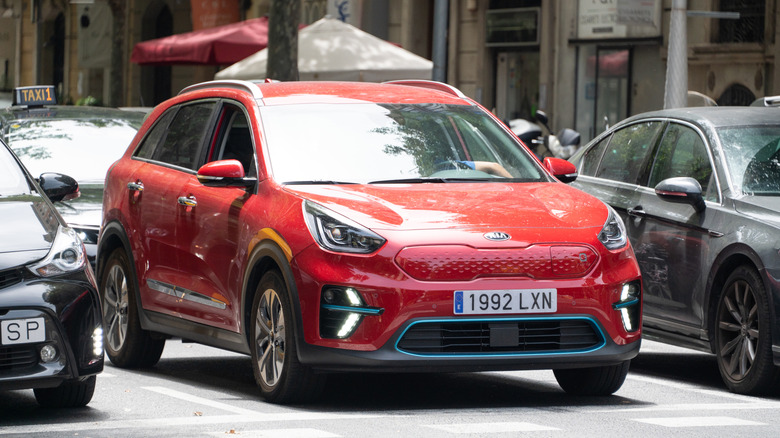
When it comes to buying an electric car, especially a used one, long-term battery health can be an important consideration. A study by Swedish used-car marketplace Carla analyzed the results of 9,954 electric vehicle (EV) battery tests run between 2022 and 2026 to identify the EV models that retain the most battery capacity after about 62,000 miles (100,000 kilometers). To ensure a fair comparison, Carla only included models with a substantial number of battery tests using technology developed by AVILOO, a company specializing in independent EV battery diagnostics.
After analyzing the data, Kia and Hyundai — both part of South Korea's Hyundai Motor Group — emerged as the brands whose models retained the most battery capacity over time. The Kia e-Niro came out on top, retaining 97.25% of its reported battery health after 62,000 miles on the road, with the Hyundai Kona following closely at 97.18%. Another Kia car, the EV6, placed third at 95.95%. Fourth spot saw the appearance of the first non-Korean vehicle – Volvo's XC40 Recharge retained 94.70% battery health. The Polestar 2 (94.35%) and the BMW i3 (93.77%) rounded out the top five, while the Volkswagen ID.3 landed at the bottom of the list (20th) with 91.79% battery health after 62,000 miles. The Tesla Model Y and Audi Q4 e-tron ranked just above the VW, with both vehicles at 92.18%.
The results suggest that modern EV batteries are able to retain much of their original capacity even after traveling considerable distances, which should help allay fears among some potential customers about rapid battery degradation. Developments in battery technology may further strengthen cell capability, but battery health continues to vary between car brands, and even among different versions of the same model, depending on the supplier and battery chemistry.
Same EV, different battery
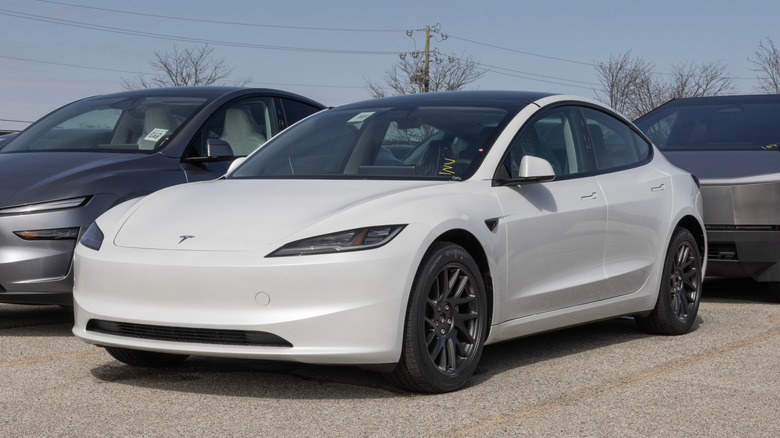
Tesla's Model 3 electric sedan offers an example of how battery-related differences can occur within the same vehicle model. In a separate comparison of battery versions, the Model 3 variant fitted with a CATL-supplied LFP battery retained 93.3% battery health after 62,000 miles. Meanwhile, the LG Chem version came in at 91.5%, while two Panasonic versions landed at 89.8% and 88.2%. These figures are separate from the overall top-20 ranking in the Carla study, which includes only models with a sufficiently large number of tests, but they nevertheless illustrate the differences reported between battery versions of the same car. While battery chemistry and design may help explain differences in battery health, factors such as temperature, charging habits, and vehicle usage over time can also influence how individual batteries age, so the figures alone don't explain why the different Tesla versions exhibited different aging patterns.
For folks in the market for a used EV, the findings offer reassurance that modern batteries appear to retain much of their original capacity even after spending a long time on the road. This suggests that rather than focusing too heavily on brand rankings alone, buyers should also consider broader factors such as the condition of the vehicle, as different battery versions can age differently and mileage alone doesn't tell the whole story. In fact, if you find a used EV that you're interested in buying, it may be worth arranging an independent battery health test so that you can get a clearer idea of its condition and remaining capacity, thereby helping you to make a more informed decision.