

How Long Will Your Phone Really Last? Support Policies Compared
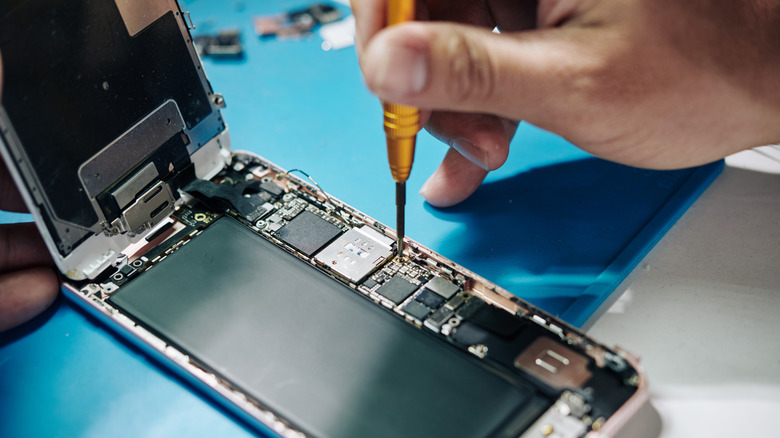
Imagine you hear a familiar but terrifying 'thwap,' and swivel your head to find a phone on the ground. It's not yours, but you certainly don't envy the person who's gotten a fresh spiderweb on their screen (you would've thought they got a screen protector). But you also know that could just as well be you tomorrow. So, if you're looking to wait out your next big iPhone or Android purchase for as long as possible, you'll want to make sure you take good care of your device and, lacking that, having warranty and repair coverage in place.
Apple, Google, and Samsung offer industry-standard one-year limited warranties on new and certified refurbished phones for parts and labor with repairs covered for 90 days or the remainder of the warranty, whichever is longer. The warranties cover defects, like a bad battery, and not damage caused by the user, like a cracked screen. The above also applies if you have a Motorola phone, though it does not have any applicable terms for refurbished phones.
So, what about those trips, falls, spills, and scalds? Extended policies can get you up to several extra years of easy repairs and device replacements at a less painless cost. Beyond that, you can procure components and conduct repairs on your own or with the help of an independent shop, but that's where the outlook gets murky.
Protection plans
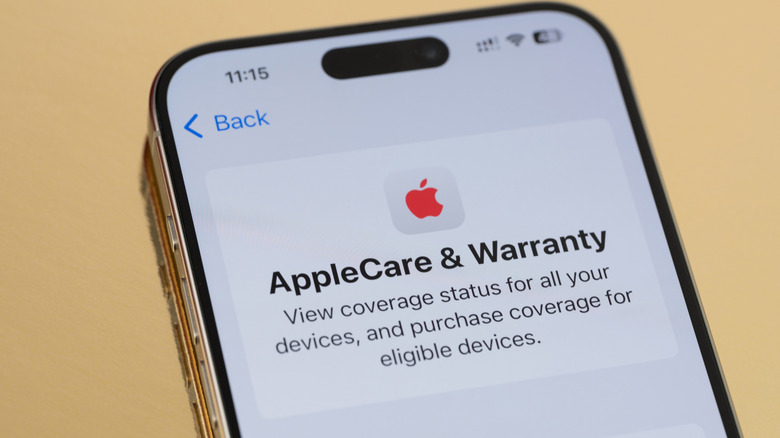
Extended policies come in different shapes and sizes and most easily prove their worth for those who worry about losing their device or having to chase down an iPhone snatcher. That said, they can also incentivize you to book repairs that you would otherwise defer due to the costs.
Depending on model, a standard AppleCare+ plan costs roughly $10 per month to $20 per month, or $110 to $200 a year. It covers most common jobs at reduced deductibles, though you can still expect to shell out extra for more intensive repairs such as a display replacement for the new iPhone Duo. You can also get up to two replacements in cases of theft or loss per year at a cost of $149 each. The tech giant also offers AppleCare One, which covers multiple devices at once and yield more theft-and-loss replacements starting at $20 for an Individual plan and going up to $50 per month for a Family plan with six members. Eligibility for AppleCare One is limited to devices that are less than four years old and in good condition.
To quickly mention other major U.S. brands, Google offers a service called Pixel Care+, which includes free screen and battery replacements in its basic plan and adds loss and theft protection in another tier, each at roughly similar pricing to Apple's offering. Google's extended terms last for two years instead of one. With monthly coverage, customers can stay on their plan for up to five years. Samsung Care+ is similar in structure, but has a carve-out for New York state where it must offer accidental coverage separate to theft and loss. Plans for the latter are priced at a fixed $5.50 per month while pricing for damage care is based on model. You can also purchase insurance direct from their carriers or through your wireless service provider.
How long can you get parts for your phone?
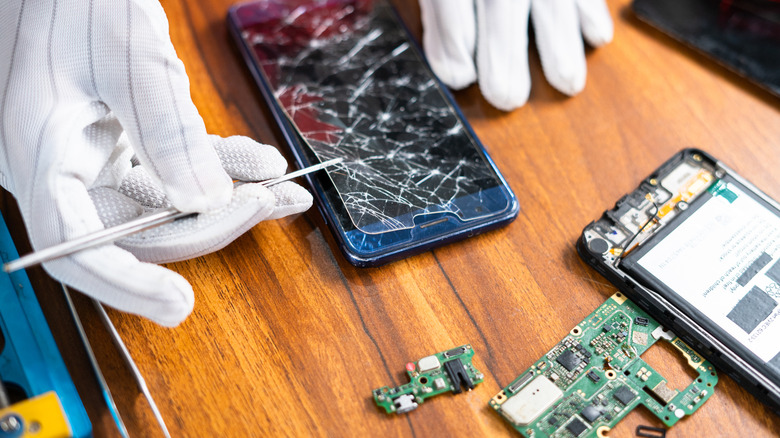
Apple and Google have policies that effectively guarantee the supply of parts and service for their phones for up to seven years. That doesn't prevent you from keeping your everlasting phone working for longer—whether you rely on a shop or are a DIYer (and more power to you for it), you may be thinking about how long parts and service for your phone will actually be available.
The good news here is that third-party marketplaces stock a bounty of components for devices that are up to at least a decade old. Repair instruction and tools site iFixit sells replacement batteries for the iPhone 8, first released in 2017, replete with its own toolkit. Need a new earpiece mesh for a Pixel 2? MobileSentrix has got you. LG might not be making smartphones anymore, but you can still get a new screen for the 2016-vintage G5 from Amazon. Your mileage ultimately will vary depending on make, model, specific part, and retailer, but your odds of snagging all of your checklist are generally pretty good.
That said, there are strings attached. Much like in the auto industry, you'll find replicated parts mixed in with legitimate ones. Historically, Apple has been particularly strict about controlling the repair experience. For example, it was known to pair parts to specific devices and block features if any different part is put in place, even if it's genuine. The company has been criticized for this practice, and has even moved in 2024 to allow parts taken from used iPhones to be used for some repairs. As always, check with an experienced technician for advice on what to do and avoid.