

The Likely Reason Why Amazon Discontinued The Halo Fitness Band
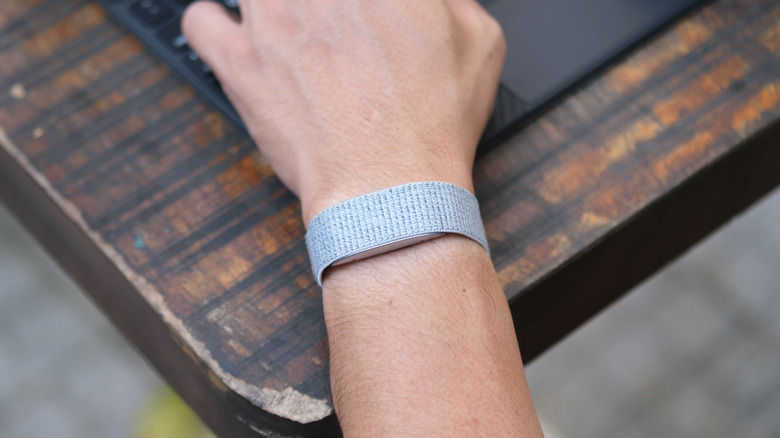
In 2020, Amazon introduced its "Halo" series of fitness wearables and accessories. The line included a faceless fitness band and, later, the "Halo View" with a touchscreen face, and even a bedside sleep-monitoring device called the "Halo Rise." They synced with the Halo app to track fitness data, provide recommendations, and even interact with Halo-exclusive workout videos. However, Amazon shuttered its Halo fitness brand in mid-2023 after just a few years of operation. Once the Halo line was shut down, so went the subscription and cloud servers that kept the Halo products operational.
While the official announcement from Amazon didn't give a specific reason, it's likely that the reason Amazon shut down Halo was that the profits just weren't enough. An internal memo from Amazon VP Melissa Cha, obtained by The Verge, pointed to an increasingly crowded market and an uncertain economic environment. Bloomberg noted that the shutdown was announced just days before an earnings report where cost-cutting measures, like shuttering struggling product lines, would likely appeal to investors. I personally used a Halo View when it was still operational, and from my experience with it, I can understand why Amazon's fitness line struggled to establish a meaningful customer base.
They didn't offer much in an already saturated market
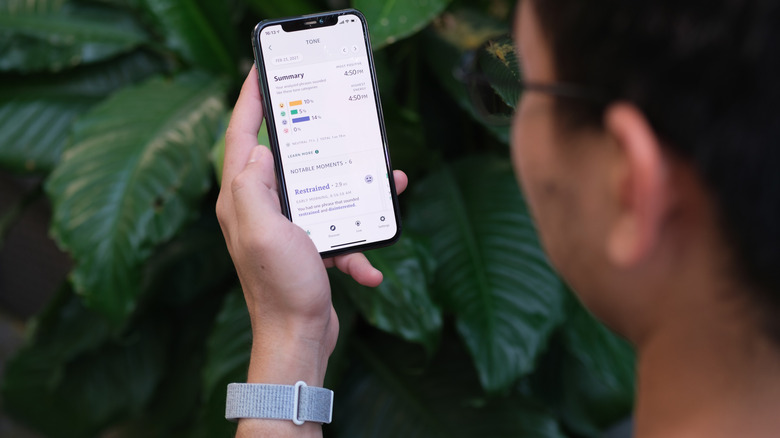
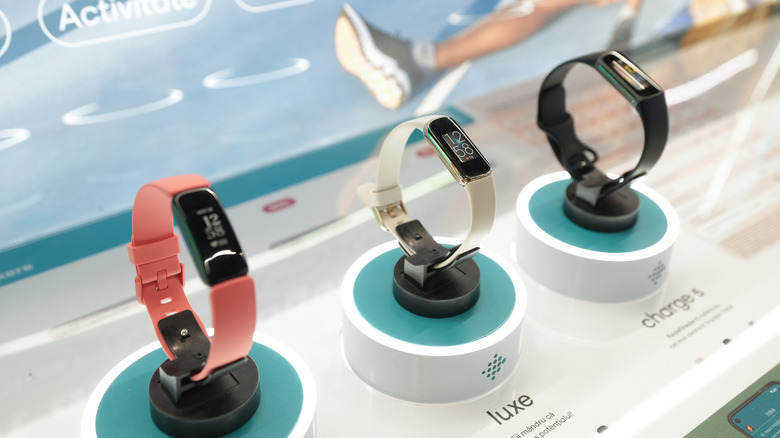
When the Halo line arrived on the scene, the fitness wearable market was already saturated. Fitbit had been on shelves for 11 years, and the ever-popular Apple Watch covered many people's fitness tracking needs in addition to all of its smartwatch capabilities. To succeed, Halo products had to stand out by offering novel features. And they did, but the unique features lacked mass appeal, to say the least. One of them was a mood tracker, of sorts, that let you know how your "positivity" and "energy" changed throughout the day by listening to the tone of your voice during conversations. Another could estimate your body fat for you — if you were willing to strip down to your underwear and take photos of yourself for Amazon's servers to analyze. No pinky promises about privacy were going to make those features not feel weird.
Even Halo's standard, non-creepy fitness features were lacking compared to the competition. It was missing basic features like distance tracking. The features the Halo line did have mostly relied on an active Halo subscription to work, while other fitness bands usually offered basic functionality under a "freemium" payment model. Amazon did offer a generous free subscription of up to a year with the purchase of a Halo device, which itself didn't cost much, with the wearables priced under $100. That generosity itself probably resulted in profitability issues that, in turn, led to the end of the Amazon Halo era.
Don't bother with discounted Halo gear
In case you were wondering if you can still make use of a cheap second-hand Halo device you found on eBay or Facebook Marketplace, I can tell you from first-hand experience the answer is no. The Halo mobile app, which the tracker relied on to operate, is long gone, along with the subscription that locked many of its tracking features. My Halo View band, which I still have in storage, is essentially a brick now that I can only hope will someday become collectible. I've looked into open-source projects that reverse-engineer wearables to let you keep using them without subscriptions, like Noop, an open-source app that lets you use your Whoop band without a subscription, but I've not been able to find one that supports Halo trackers.
You're better off looking into alternate wearables other than smartwatches that can make your life easier to meet your fitness goals. Most of them don't have creepy features or force you to buy into an ecosystem that's about to be shuttered just to get basic health data.