

The Big Problem With Smart Home Devices That Depend On Cloud Servers
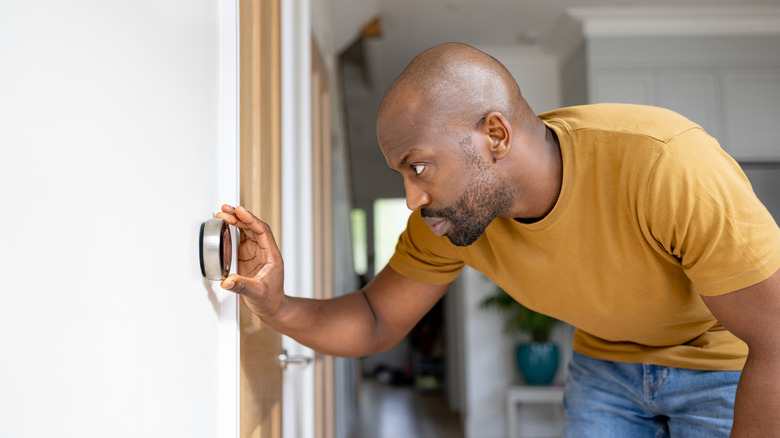
The promise a decked out smart home offers us is futuristic convenience. Everything from our thermostats to our porch lights bends to a single voice command, and many people have embraced it. When we buy a new smart display, however, it'd be wise to remember that we don't always own 100% of the tech, and that having the physical device in hand is only part of the equation. Why? Because the brains behind these gadgets often aren't inside their plastic casing, but rather in faraway data centers, and that can lead to certain problems.
Many smart home gadgets depend on cloud servers to run and are just hollow shells without their internet connection. They don't process your commands on-device — instead, they send your request across the internet to a far-flung server that then processes the request and sends the instruction back to your device to execute. But since it happens pretty quickly, some might think that these essential smart home gadgets are self-contained and that there's nothing to worry about.
This invisible tether is the dirty little secret of smart homes, though. Relying on remote servers may seem fine as long as it keeps our gadgets up and running day to day, but this setup puts you (and the smart devices you paid big bucks for) at the mercy of the companies running said servers. It's an uneven dynamic, and one that's ripe to introduce problems that could leave you hanging.
When the servers go dark or the plug is pulled

How fragile cloud-dependent hardware actually is becomes painfully obvious the second a server goes offline, and even the biggest tech giants experience unexpected outages from time to time. The problem is, when this happens, cloud-dependent gadgets generally become useless. Smart speakers can no longer play your favorite songs and smart security cameras may stop recording — some company's glitch hundreds of miles away affects you immediately.
This temporary downtime is frustrating, but permanent obsolescence is a far larger concern. Tech brands frequently shift strategies, or even get bought out by larger corporations or go bankrupt, sometimes without warning to you. Either way, with a downed server or a swift company change, cloud-dependent hardware is effectively dead. Devices that were functional yesterday are unresponsive today, leaving you either temporarily out of luck or permanently stuck with junk despite how much you paid for it or how recently you bought it.
Because of this, buying a cloud-connected device is really more like renting its features for an undetermined amount of time, which makes local storage more attractive. There are no guarantees that a company will keep funding its backend servers just to keep the lights on for your older devices, so it should go without saying that dropping a few hundred bucks on cloud-connected smart home gadgets is a gamble.
The persistent threat of data harvesting and breaches
Beyond basic reliability, tying your smart home gear to remote networks opens the door to some security and privacy concerns. In order for some smart appliances to readily give you the convenience you paid for, they always have to be ready to do so; this means they are constantly intaking details about their surroundings. For example, robot vacuums map out detailed floor plans and security cameras record daily movement and routines. Resultantly, their remote backends need to save things like your house's layout and when you leave home. This sensitive data gets stored on distant corporate servers, and it's why some folks are turning to products like video doorbells without cloud subscriptions.
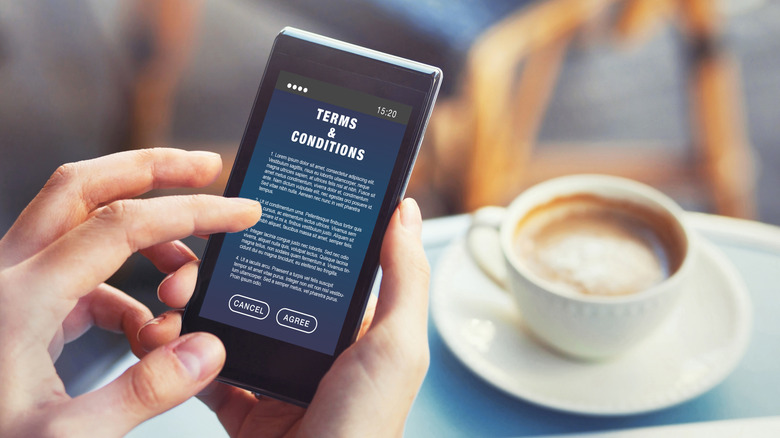
Even if a company avoids getting hacked, that personal info is still valuable. Stashed deep in lengthy terms of service agreements, clauses written in legalese give some manufacturers permission to monetize this data. So, any of your "private" data can be shared with or even sold to third-party advertisers. It wouldn't be a far call to label these gadgets as Trojan horses, packaged up by the conveniences they offer you.
And for one last concern to think about? Stockpiling all of this personal data on centralized networks creates an irresistible treat for bad actors. If a company suffers a security breach, that fallout ends up going far beyond stolen passwords; it nets the hackers the potential to tap into live video feeds and archived data. So remember, while a cloud-based smart home has some undeniable conveniences, you may be trading away digital privacy.