

Data Centers May Have A Frustrating Effect On Your Power Bills

Data centers are essential to the operation of many digital technologies, including streaming services and, especially, artificial intelligence (AI) tools. But supporting these technologies requires extensive infrastructure, particularly electricity, to keep servers and cooling systems running properly. With the rise of AI, the energy and water consumption needed to support these technologies has become an even greater concern.
One problem with all this is that technology companies do not often bear all the costs to make this kind of expansion happen. According to Consumer Reports (CR) research, building these data centers can lead to higher electricity bills for homes in nearby areas. Households paid 7.1% more for electricity in 2025, but CR also identifies inflation and an aging grid as other contributors, alongside AI demand.
The situation could become worse as companies continue to build new facilities across the United States. While some regions already have extensive infrastructure to support data centers, others may need significant investments to accommodate these new facilities. As a result, the financial impact of this expansion could vary depending on where these data centers are located and how their operating costs will be paid.
Why data centers are driving up electricity bills
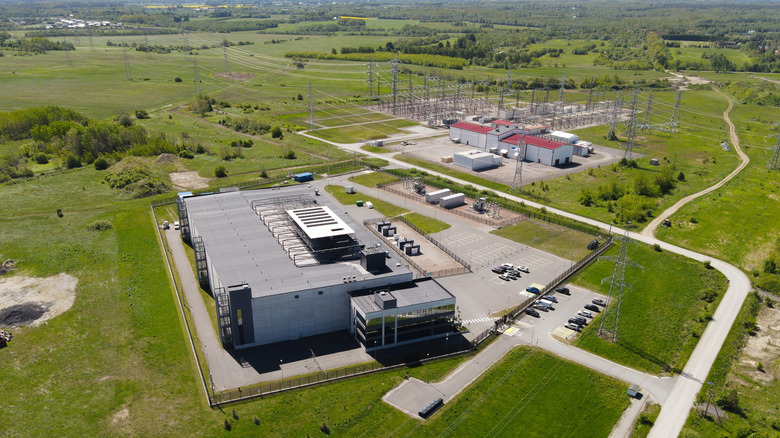
To understand the relationship between data centers and rising electricity bills in surrounding areas, you need to understand the size of these facilities. With the same amount of energy used in a single hyperscale AI facility, it's possible to supply around 100,000 homes per year, according to the International Energy Agency. Virginia is an example of how much demand these facilities can create when they're clustered in one place, since a Bloomberg analysis found that, in 2024, nearly 40% of the state's electricity went to data centers.
This high consumption creates greater demand on the power grid, especially when several data centers are concentrated in the same region. As a result, AI ends up affecting these residents' electricity bills, even if those residents do not use the new technology. To keep up with these new corporate customers, utilities have to purchase more power and build new infrastructure, and the bill for that expansion is often shared by every household they serve.
Besides the Consumer Reports research, a study by North Carolina State University also helps explain this impact. The team modeled several scenarios for the expansion of data centers and cryptocurrency mining through 2030, and the results put national average electricity prices between 6% and 29% higher, with the largest regional increase reaching 57%. These projections pertain to the wholesale market, so they do not necessarily predict equivalent percentage increases in household bills.
Who will pay for the growing demand from data centers?

To meet demand from data centers, utilities also need to invest in building new power plants, transmission lines, and other improvements to electrical infrastructure. Often, utility companies distribute at least part of these expenses among all their customers, even when the investments are needed mainly to serve a large facility.
On a more positive note, some technology companies have also started making commitments related to these costs to prevent them from being passed on to consumers. In 2026, companies such as Microsoft and Google joined a voluntary agreement promoted by the White House, committing to finance the energy and improvements needed to operate their data centers. In addition, the government also announced measures to prevent these costs from being passed on to other consumers.
However, these commitments do not guarantee that electricity bills will stop increasing. Consumer Reports also highlights that utilities and regulatory agencies remain responsible for decisions about how to distribute infrastructure costs. Therefore, the impact on consumers will depend on how these agreements are implemented and whether technology companies actually cover the expenses associated with their data centers.