

What Bubble Wrap Can Actually Do To Your GPU When Shipped
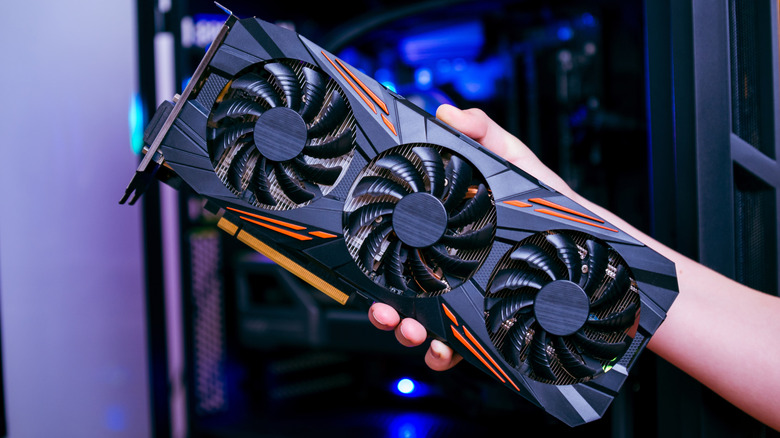
When building a PC, some parts make more sense to buy used than new. This is even more important as GPU prices keep soaring, with no real end in sight. You can save a lot of money by buying a used GPU, even though there are some downsides to buying a used graphics card. Most recently, I picked up an RTX 3060 for a mid-range gaming build for $150, which is a pretty good deal right now.
When shopping for parts online, you should be wary because of how those parts are shipped. PC parts can be surprisingly tough in many respects; having dropped a number of components over the years, only once did something break beyond repair. The real concern is in the packaging used to ship something like a GPU.
One common mistake made when working on a PC is ignoring static electricity, which can fry components. Static electricity can be a silent killer, and improper shipping can make it worse. Bubble wrap, in particular, is dangerous because it can easily build up static that can discharge during shipping.
Static discharge is the silent killer
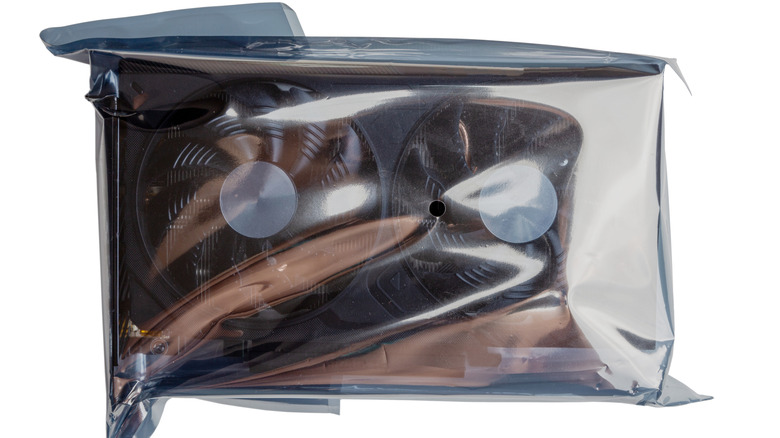
While bubble wrap protects shipped items, it often builds up static electricity. This isn't usually an issue, but with PC components, it can be deadly. And it isn't always easy to diagnose a statically fried component, because not every short is the same.
Oftentimes you'll get a total failure, but other times it'll show up as random system issues. I once had a short on a used GPU that drove me crazy during a build. The card worked, but the system would crash at random. I swapped the RAM, CPU, GPU, and even the motherboard. I only discovered the card was the issue when I eventually swapped the GPU, and only when I put it under a microscope did I find what was causing the short.
Now, imagine you have no backup parts to test with. You're left with a headache trying to diagnose the problem, not knowing what part is failing. And if you use several parts, trying to return one when you don't know which one is the issue can be an even bigger headache.
How to avoid issues

The best way to ship a GPU is in its original packaging, then in a shipping box. Their boxes are designed not only to look pretty on a store shelf, but also to protect the card inside. Besides providing a snug fit, they come with an ESD bag. These bags come in many forms, but all are designed to protect against static discharge.
If you're buying a used GPU, always ask whether it ships in its original packaging and whether it'll be placed in an anti-static bag. If not, you can always ask them to purchase anti-static shipping materials, as anti-static bags are cheap on Amazon. You might even offer to pay the difference for the added convenience. You can even purchase anti-static bubble wrap designed for shipping electronic components.
But there was a time when it wasn't easy to get ahold of anti-static bags. In those cases, many an old-timer would ship an exposed component in a fitted box, then wrap it in aluminum foil before putting it in a larger box with traditional packaging. Not recommended, but it might work in a pinch.