

5 Car Gadgets That Can Save Drivers On Insurance Premiums

Some of the most useful car gadgets include safety devices and anti-theft mechanisms. Beyond just ensuring the safety of you and your car, many of these can also help you save money on insurance premiums. With car maintenance costs rising and electric vehicles costing more to insure, it's important to take advantage of the steep insurance discounts offered for vehicles equipped with certain safety and protection mechanisms.
The National Association of Insurance Commissioners (NAIC) outlines many discounts that insurers typically offer in a document detailing the best practices for insurance rate disclosures. These include discounts for anti-theft devices, such as alarms, engine immobilizers, and GPS recovery trackers. Ensuring factory-installed safety mechanisms (such as airbags and daytime running lights) are fully functional and repaired can also lower your car insurance cost. Many insurers also offer safer-driving plans that use a mobile app or telematics device to share driving data with the insurance company. Some plans offer discounts just for signing up, while others lower premiums for maintaining safe driving habits.
Keep in mind that insurance is primarily regulated at the state level. Some states require insurers to offer specific discounts for cars equipped with safety gadgets, while others let insurers decide how they price their plans. Always check directly with your preferred insurance company to see whether you and your vehicle qualify in your state before purchasing a policy or any aftermarket gadgets.
1. Anti-theft alarms
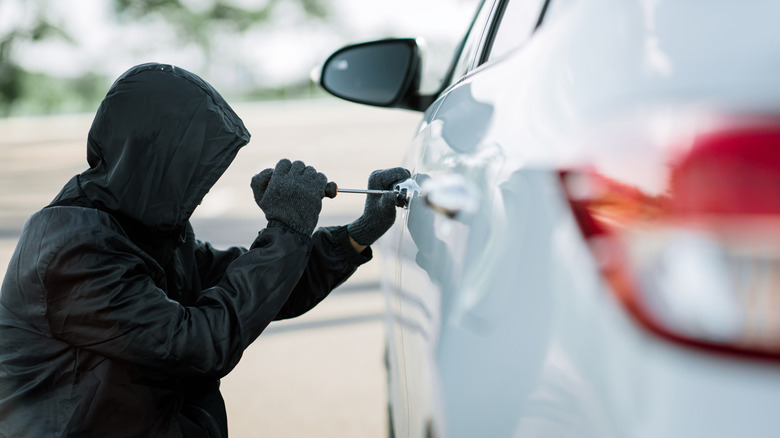
Depending on which U.S. state you reside in, getting an anti-theft device is one of the best ways to save on your car insurance premiums. Insurers in 12 U.S. states are legally required to offer discounts on comprehensive coverage for vehicles with certain anti-theft devices. These states include Florida, Illinois, Kentucky, Louisiana, Massachusetts, Minnesota, New Mexico, New York, Pennsylvania, Rhode Island, Texas, and Washington. Many insurance firms in other states also choose to offer similar discounts.
Anti-theft alarms include active ones you must trigger manually and passive alarms that turn on automatically after the engine has been off for a while. Most modern cars come with built-in factory alarms, and aftermarket installation is generally inexpensive.
Insurance firms such as Allstate, Geico, State Farm, and Progressive offer discounts for vehicles with an anti-theft alarm, but with some caveats. If your car has a factory-installed passive alarm system, you likely won't have coverage issues. However, if you use an aftermarket gadget, make sure the device is approved by your insurer. Additionally, you may need to provide an installation receipt for the discount to apply. Some firms also specify that discounts apply only to passive alarm systems, not active ones, while others that offer discounts for both may provide better deals for passive systems. These discounts also apply only to the comprehensive portion of your premium, not the whole policy.
2. Telematic driving monitors

Telematics devices are a relatively recent addition to driver safety tools. Rather than physically protecting you from theft or fatal accidents, these devices record your driving habits to encourage safer driving and share the data with your insurer. They're the cheapest option on the list (insurer-provided telematics devices are usually free) and usually result in the deepest discounts on your premium. However, if you don't want your insurer monitoring your driving, this might not be the best fit.
Some insurers offer setup discounts, while others require an active profile and a history of safe driving to lower your premium. For example, State Farm offers an initial discount just for signing up on the Drive Safe & Save mobile app and installing the company-provided Bluetooth in your car. If you keep driving safely, you can earn up to a 30% discount, with the firm saying this may be higher in some states. Similarly, State Auto offers up to a 50% discount through enrollment in its State Auto Safety 360 program.
Some insurers, such as Allstate, may also provide telematics-based discounts just for downloading and setting up an app without requiring you to plug any device into your car. Additionally, unlike anti-theft or safety-related discounts, telematics-based premium reductions apply to your entire car insurance, not just a specific portion.
3. GPS recovery trackers

A GPS recovery tracker or vehicle recovery system is one of the best anti-theft devices for your car and can lead to significant insurance savings. As mentioned above, 12 U.S. states mandate discounts on the comprehensive portion of your policy for cars with some form of anti-theft device, and GPS recovery devices (built-in or aftermarket) count as well. These discounts are usually greater than those for an alarm-based device.
Insurance firms favor GPS recovery trackers because they're so effective. An alarm might stop a thief trying to break into your car, but it does little if the car is already stolen. If a car isn't recovered, insurers must cover the vehicle's full value. This is a much bigger loss than simply covering break-in-related repair costs on a found car. A GPS tracker reduces the likelihood of a car being truly lost, which is why insurers can offer steeper discounts and still save money.
As mentioned above, most firms that offer anti-theft discounts for alarm-based systems offer higher percentages on cars with an installed vehicle recovery system. For instance, Geico and Progressive offer premium reductions up to 25% for cars with an approved anti-theft GPS tracker. If you use an alarm system with GPS tracking, be sure to tell your insurer to save even more.
4. Kill switches and engine immobilizers

Another anti-theft measure is a device that disables the engine and prevents unauthorized ignition. These are called engine immobilizers or kill switches, and most modern cars come with them factory-installed. There are two kinds of engine immobilizers your car can have, and how much you save can depend on which one you're using. An active immobilizer, or kill switch, requires you to flip a hidden switch to arm the device when you park the car. If you forget to flip the switch, it won't work, and since cars don't come with these built in, you'll have to install one separately. A passive immobilizer, on the other hand, automatically restricts ignition a short time after you turn off your car. Most cars come with these preinstalled today.
As with other anti-theft devices, insurers in 12 U.S. states must offer these discounts to drivers by law. In other states, most insurers that offer discounts for anti-theft alarms and GPS trackers also bundle engine immobilizers. Passive, factory-installed systems are more likely to qualify for premium discounts, while aftermarket solutions may require explicit approval and proof of professional installation. If approved, these often result in higher discounts than a typical alarm system for the comprehensive portion of your insurance.
5. Airbags, anti-lock braking systems, and other factory-installed safety mechanisms

Even if you drive an older car without advanced anti-theft or protection features and aren't willing to buy an aftermarket device, you can still qualify for discounts based on equipment already in your car. Vehicles with functioning airbags, anti-lock brakes (ABS), adaptive cruise control, and a variety of similar factory-installed features may qualify for car insurance discounts, depending on the insurance carrier and the state you reside in.
As with other options, eligibility depends on the insurer and your state. Certain states, such as Florida and New York, mandate discounts for airbags and ABS, while others give insurers more freedom in what discounts they offer.
Allstate, Geico, State Farm, and most major insurance companies offer these discounts. However, unlike the previous entries, these don't apply only to the comprehensive portion of your policy. For instance, airbags, automatic seatbelts, and other passive restraints can lead to discounts on the medical payment (MedPay) or Personal Injury Protection (PIP) part of your plan, while ABS and electronic stability control lower collision and liability rates.