

4 Mini PCs More Powerful Than A MacBook Neo
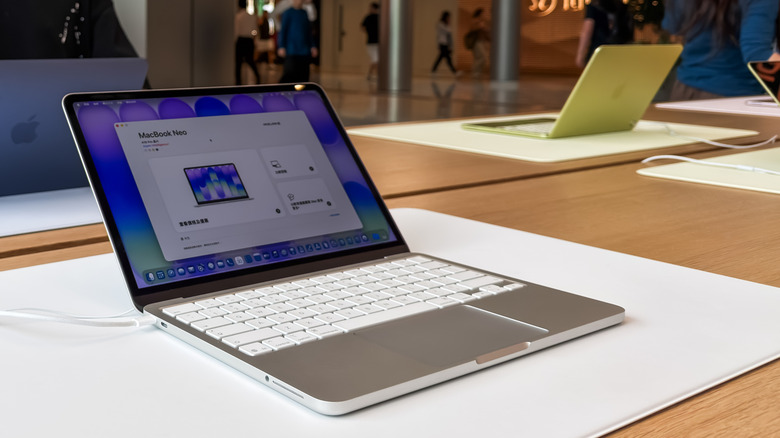
The MacBook Neo is an absolute mega deal, a steal, a uniquely consumer-friendly device in an age where it appears more tech companies are turning their backs on them. AI data centers have scooped up entire reams of RAM, storage, and processors, forcing those who need a lightweight PC, ideally a mini PC, to fend off the wolves that are massive surges in pricing. If the RAM doesn't get you, the storage prices will.
Finding a mini PC that's more powerful than a MacBook Neo isn't very difficult, especially as companies like Nvidia have launched devices like the DGX Spark. These mini PCs are intended for AI development or tasks, housing tens to hundreds of gigabytes of RAM just to chew through whatever is thrown at them. Framework also has its Desktop, or the various AMD 495+ or 395+ chips that can rip and tear through a vast majority of tasks, including gaming, thanks to the guts. This comes with a hugely steep price tag.
Comparatively, the MacBook Neo has surprised everyone as it's powered by 8GB of RAM and a "binned" iPhone A18 Pro chip that didn't make the cut for an actual iPhone. The budget-focused laptop is an excellent bit of gear, but if you need to do a lot more, whether within macOS or another operating system, some reasonably spec'd and priced alternatives like the Asus NUC 16 Pro and Geekom A8 will blow the Neo out of the water, while also not immediately nuking your wallet.
Asus NUC 16 Pro
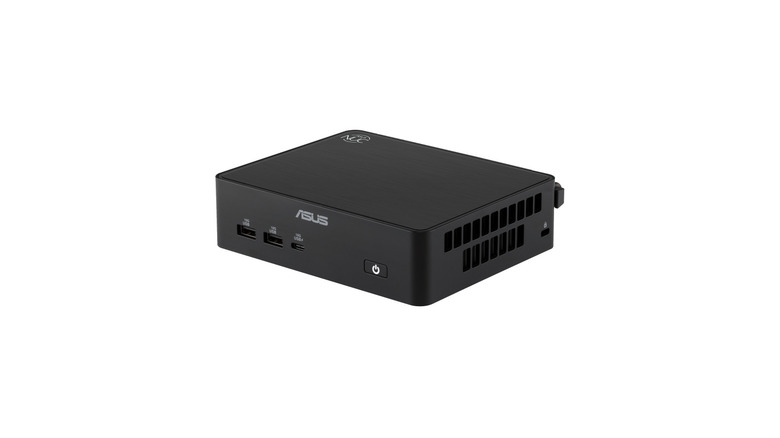
Since Asus took over Intel's NUC range, it's remained a little low-key. A recent release, the NUC 16 Pro, offers a wide range of specs depending on what you need out of it, all the way up to the Intel Series 3 Ultra X9, with 96GB of RAM, which is overkill. For that level of spec, you'd be looking way out of our target range in terms of price, as it appears to be hitting nearly $3,000 in some cases.
That said, the weaker end of the pile, using the Core Ultra 5, still tallies the price up to $1,399, but has a base price of $559 if you get it without RAM or an operating system. Not ideal, but what is with the ongoing price crisis? Geekbench scores taken by NotebookCheck show that the base-level Intel Core Ultra 5 325 sits close to the MacBook Neo, so jumping up to the Ultra 7 will be able to push it off its cheapish high horse.
Much like other mini PCs, at any other time period, this would likely be a killer deal that we'd be talking about. It can certainly topple the MacBook Neo, but as it gets increasingly more powerful, especially once it's fully kitted out, that price tag becomes a significant hindrance.
Mac Mini
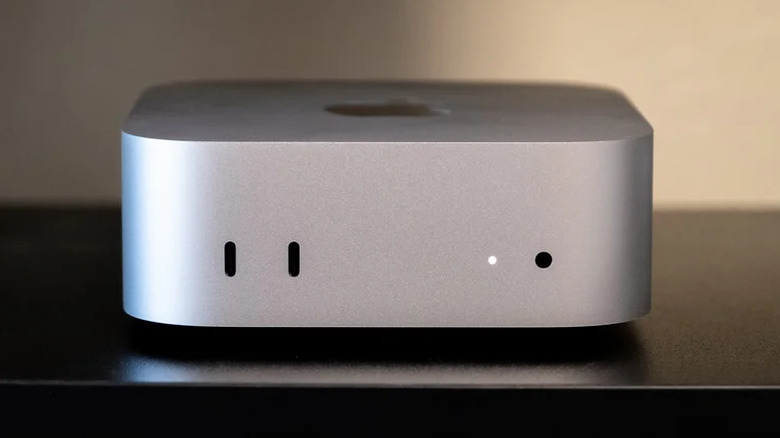
Thought we wouldn't include the fabulous Mac Mini that has been given a new lease on life since Apple switched from Intel to its own chips? With the M4 and later editions, the Mac Mini was given a redesign to shrink it down, and it obviously remains more powerful than the A18 Pro inside the MacBook Neo.
For those who want to work within the macOS ecosystem, whether due to owning an iPhone or iPad, or out of its various quality-of-life features (transparent PNGs that copy-paste as transparent is still killer) and other features or extras. Recently upgraded in both price and performance, the Mac Mini is now heads-and-shoulders above the MacBook Neo, and is actually outside of the Neo, possibly still one of the cheapest ways to get into macOS, especially after the recent announcement of the MacBook Pros with a touch screen.
With the Mac Mini, you get a wonderfully minute system that sits quietly on your desk, plugging away at your various tasks. Compared to the MacBook Neo, the M4 and M6 base-level chips trounce the fledgling A18 Pro inside. If you need something with a little extra juice, but don't feel like dishing out thousands of dollars for something capable that runs macOS, honestly, there's no reason to look much further than the Mac Mini.
Geekom A8
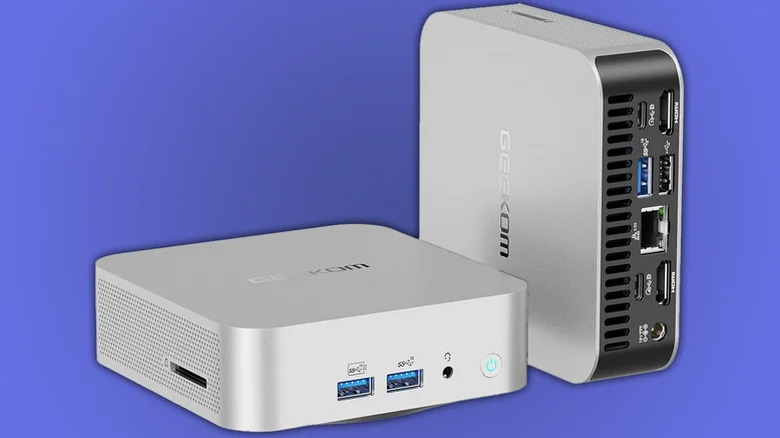
Another victim of the RAM shortage, the Geekom A8 mini PC used to come with 32GB of RAM and the Ryzen 7 8745HS, which has become a trusted steed in the home server setup. However, for everyday use, the Ryzen 7 and 16GB models available are still more than enough to meet the expectations that you'd want out of something like a MacBook Neo. This packs a punch with its 8745HS, which also houses a 780M, or the graphics unit closest to what AMD was using in the Z1 Extreme featured in the Asus ROG Ally.
So after all the boring stuff is done, you can do some light 1080p gaming on this, but it'll have enough grunt power for things like the upcoming "World of Warcraft Forever" at around medium to low settings. In fact, in previous testing, the A8 performed spectacularly when focusing on retro gaming. While MacBook Neos aren't really intended as gaming devices, the A18 Pro inside is more than enough to throw some retro goodness on it.
However, with the Geekom A8 backing you on this front, its x86 chip will bring you more than enough in terms of compatibility to outdo a MacBook. Yes, there's often an equivalent on macOS for certain pieces of software, or even a macOS-based port, but why chance it when you know it'll just work on this here mini PC? Power doesn't always have to come from the sheer brute force of power the device holds.
LattePanda Mu Ultra
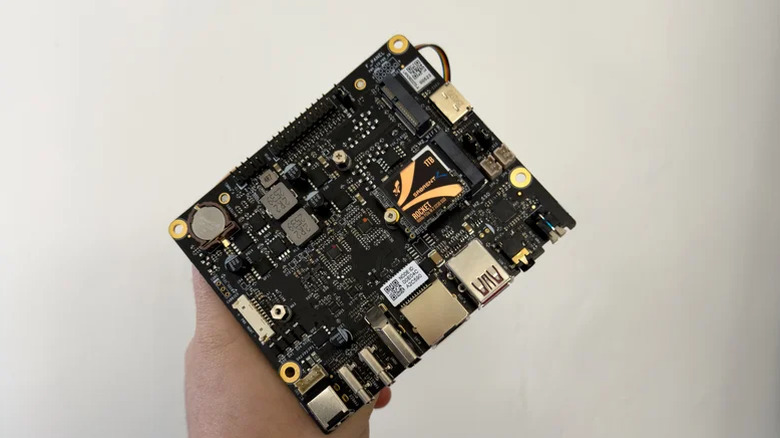
A little bit of a left-field option, but bear with us. The LattePanda Mu is a credit card-sized single-board computer (SBC), equipped with an Intel Core Ultra 5 226V or Ultra 7 256V, and is geared towards the tinkerers out there. We've already taken a deeper dive into the Mu Ultra's capabilities against a Raspberry Pi 5, but this thing packs a punch in multiple departments and, synthetically, is performant against the MacBook Neo.
As with other entries on this list, the Mu Ultra is incredibly capable of doing your office tasks, some light content creation with the integrated GPU, an Arc 130V, again, synthetically comparable to the MacBook Neo, and even gaming. As it is an x86 chip, it's completely compatible with a vast majority of software out of the box, regardless of your decisions to go with Windows or Linux.
For those who like to tinker, the $643 price tag on the Core 5 model includes a carrier board and fan. There are GPIO pins to use with hardware projects, something you won't find baked into the device from any of the other mini PCs – or the MacBook Neo – here.
Methodology
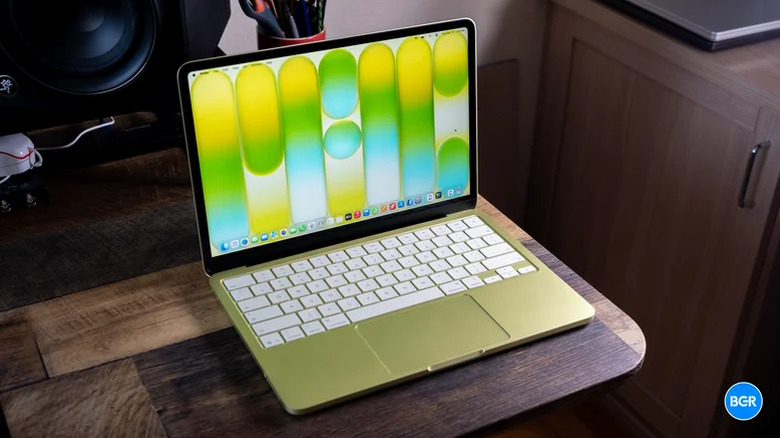
As explained in the opening paragraph, we had to limit some of the options on this list to reasonable mini PCs that would logically fit within the MacBook Neo's power range. With hardware far surpassing it within the form factor, we opted to go with weaker systems to keep the conversation fresh as well. We kept the price limit to $1,000, taking into consideration the overhead costs from the ongoing AI hardware-induced crisis, with RAM and storage both becoming exceptionally more expensive.
We also took a look at some historical information, including reviews and news about the mini PCs included on this list. Based on initial reactions and the subsequent reviews, this was the basis of our decisions. Outside of that, the author has had hands-on or other experiences with some mini PCs, including the Geekom and LattePanda Mu Ultra on this list, and has utilized their prior knowledge on the subject to come to the conclusions.