

LG's New 'FLiPP' OLED Tech Could Double TV Lifespans - Here's How
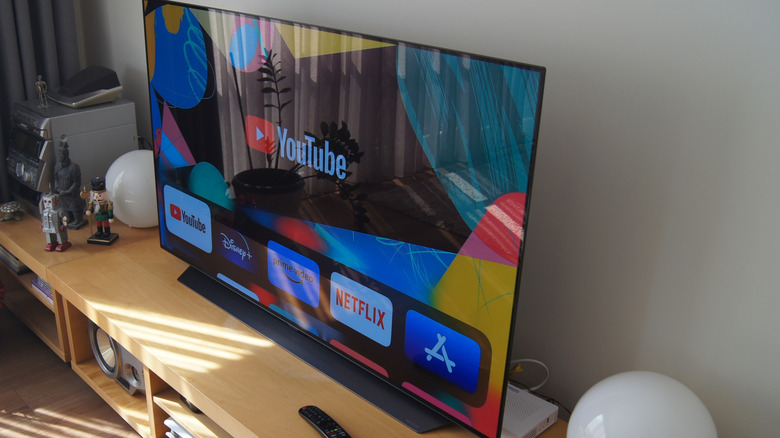
OLED TVs, while expensive, have become a popular choice because of their deep blacks, excellent contrast, and vibrant picture quality. However, there are still some major concerns like burn-in and gradual degradation of their light-emitting materials. But LG Display believes it has found a way to improve OLED longevity, and the solution is tied to how the pixels are manufactured.
The company's new "FLiPP" technology (FMM-Less Pixel Innovating Pixel Patterning) replaces the conventional FMM (fine metal mask) patterning with a photolithography-based process. According to the company, this new technology can increase the lifespan of OLED by 2.4 times, deliver 1.6 times the brightness, and make power consumption 13% lower than the conventional FMM panels under identical conditions.
While the new technology does sound promising, there is generally a difference between a manufacturer's claims and the proof that the product with this improvement will show similar results in everyday use. FLiPP doesn't eliminate burn-in altogether, and the reported lifespan should not be interpreted as a guarantee that the LG OLED TV will last over twice as many years.
What is LG's FLiPP technology, and does it prevent OLED burn-in?
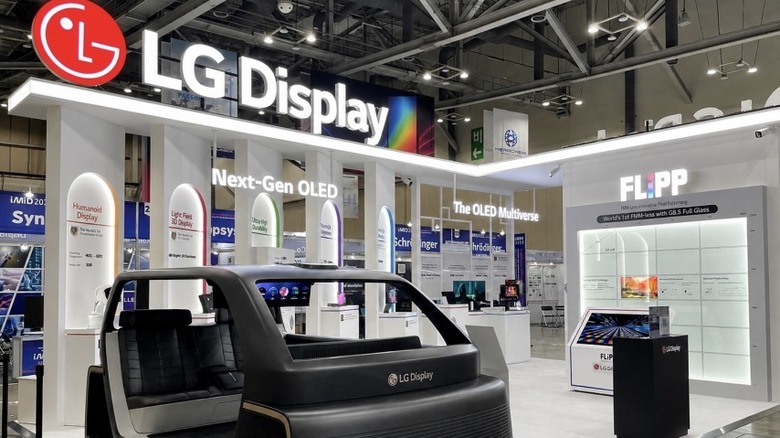
FLiPP is LG's new approach to manufacture OLED panels without the conventional final metal masks. Because OLED TVs produce light directly from pixels, manufacturers use fine metal masks to precisely position the different light-emitting materials within each pixel. However, these masks have physical limitations that can make it difficult to manufacture increasingly precise pixel patterns. On the other hand, FLiPP uses RGB coating and photolithography to define the pixel pattern. This could give the manufacturers greater flexibility in designing the emitting areas, while improving panel efficiency. Photolithography uses light-sensitive materials and controlled exposure to light to create precise patterns, allowing LG to achieve a higher aperture ratio. LG Display reports around a 55% improvement in aperture ratio compared with FMM panels.
A large emitting area can help a display achieve a given brightness more efficiently, potentially reducing the demands placed on OLED materials. Since these materials gradually degrade with use, a more efficient pixel design can help improve power efficiency and panel longevity. If the results from using this new technology reported by LG Display can carry over to commercially produced panels, FLiPP could make OLED displays much more durable and efficient.
OLED burn-in unfortunately has still not been eliminated by technology like FLiPP, and the risk remains even in 2026. Burn-in occurs when OLED pixels experience uneven wear. That can leave persistent marks on screen, or even differences in brightness. A permanent burn-in cannot usually be reversed, and fixing it may require replacing the entire display panel. While modern OLED TVs include protective features to reduce uneven wear, they can only reduce the risk rather than eliminate it. The protective features, depending on the model, include screen savers, logo-brightness adjustments, and automated pixel-cleaning routines.