

Samsung Might Be Sacrificing QLED TVs In Favor Of OLED
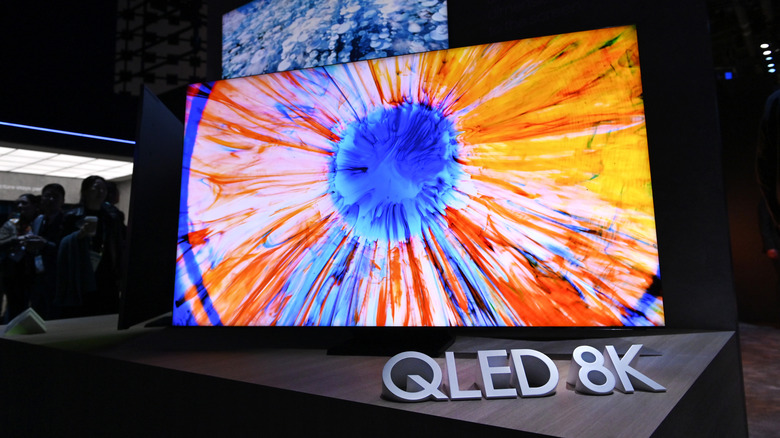
Samsung is reportedly planning a major overhaul of its television lineup in 2027. The company's current TV portfolio focuses significantly on the Neo QLED and QLED models, with select OLED and Micro RGB televisions in the premium segment. However, this could change next year, as the South Korean tech giant is said to be not only moving away from the existing model nomenclature that highlights the TV technologies but also from quantum dot LED TVs. This isn't the first time we are hearing about Samsung's plans to move away from QLED TV models. A September news report had claimed the company was planning to reduce its QLED TV production from around 10 million to only two to three million units in 2026, with Neo QLED models also seeing a reduction to 50% of their current volume, with a likely full stop in 2028.
Before the introduction of Samsung's OLED as well as Micro RGB TV models over the last few years, QLED and Neo QLED TV models, both of which rely on quantum dot technology, were a mainstay of the company's lineup. As a result, the reported plan to move away from these is a significant departure in its strategy.
One of the reasons cited for this strategy change is the increased competition from Chinese TV makers who also primarily sell QLED TVs but significantly cheaper. Samsung doesn't want to compete with razor-thin margins, so it'll instead focus on more premium OLED and Micro RGB models that have beefier margins.
Samsung said to simplify TV lineup branding
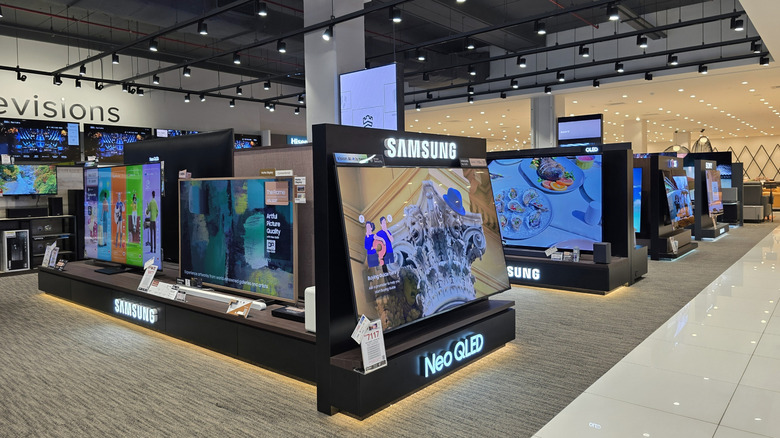
According to South Korean publication ET News, Samsung is said to classify its 2027 lineup into Ultra, Plus, and Basic categories, instead of Neo QLED, QLED, Micro RGB, and OLED categories. While the Ultra category is said to primarily include the most expensive Micro RGB models, alongside the more premium OLED televisions, the Basic category will consist of Mini-LED televisions. The company reportedly doesn't plan to add too much value to the Basic televisions, likely in an effort to keep the costs low.
Another major change that we could see starting in 2027 is the company's focus on AI-based subscription services rather than chasing hardware profits. Samsung wants to lock in customers with these subscriptions, as a recurring revenue source rather than just bringing revenue in at the time of a TV sale. The company, like other smart TV brands, already earns money by showing advertisements as part of its Tizen smart TV operating system.
With this overhaul in branding and the TV lineup, Samsung is reportedly hoping to increase its TV shipments from 35 million units in 2026 to more than 40 million in 2027.