

How Long Does It Take To Install Smart Home Devices Yourself?
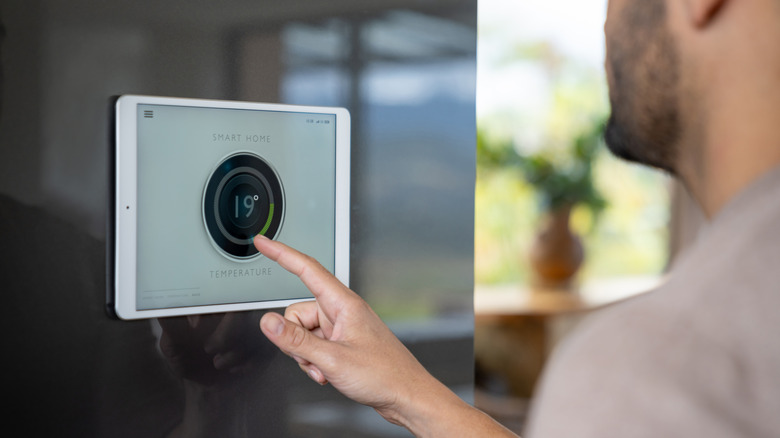
The smart home device market is incredibly diverse and flexible in the sense that you can start virtually anywhere. You don't have to outfit your home all at once (though you can if you want to) and you can start by installing anything from a smart lock or smart garage door opener to some lights, switches, or smart speakers. That also means that the length of time a full installation can take varies. Installing a smart plug (which doesn't take much work at all) is significantly faster than installing a smart thermostat, which may require professional rewiring and electrical expertise. So, there's unfortunately no clear or straightforward answer to how long it takes. It really depends on what you're installing and how much of your home you're upgrading.
There's also a big difference between having it professionally done, through a provider like Vivint, and doing it all yourself. With the former, a professional with expert knowledge and training will come in and do all the work. If you go the DIY route, you may be learning how to do something for the first time, which can take longer.
Individual devices must be installed first, which could be as simple as plugging them into an outlet, or could involve more complex tasks like rewiring, mounting, and securing. After, you must usually connect to your local Wi-Fi, sync with a mobile companion app, and configure settings. Finally, you have to make sure everything works together and communicates properly — usually via a smart assistant or hub. Any one of those tasks could take anywhere from less than an hour to a full day to complete.
Most individual projects are fairly quick and easy
Since a full smart home installation is the sum of its parts, it could technically take months or years to complete if you stretch out the individual projects that long. But let's consider some of the most essential smart home gadget upgrades and how long those take to get a better idea of timelines.
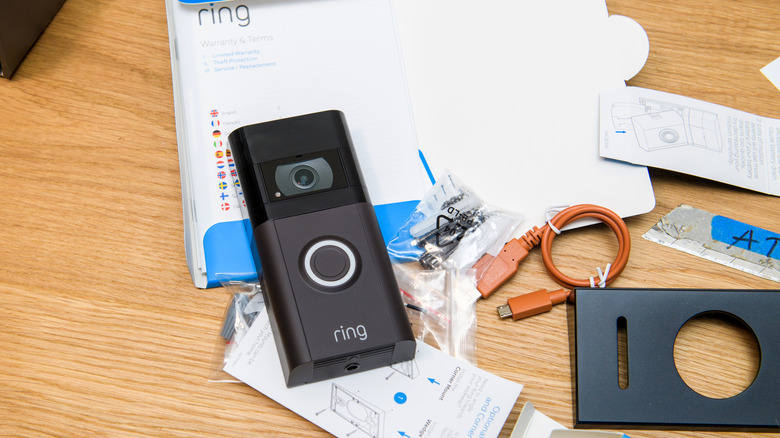
A smart lock installation can take 10 minutes to two hours depending on skill level and general preparedness. A smart thermostat can take between 30 minutes and two hours, longer if you need to install a C wire. Smart home speakers, smart bulbs, and smart plugs tend to take just a few minutes to set up. If you're not installing an entirely new opener, but instead connecting something like a Chamberlain smart control system, a smart garage door installation should take between 30 minutes and an hour. Finally, a video doorbell or smart doorbell can take about 20 minutes to over an hour to install.
Say you want to install a new smart lock, a new video doorbell, some lights, and a smart thermostat; collectively, that would take you most of the day, over six hours total. Even then, that's not really the most accurate estimate because some of those projects might take you no time at all to complete, or you may run into a hitch that delays your progress. If you need to make time for a handful of projects, it's best to plan out a full day to complete all the installations. But if you only have one or two projects, it will likely take you between an hour to a few hours max. Remember, it's always going to take longer for beginners or those with little experience, as well.
Installation is only half the battle
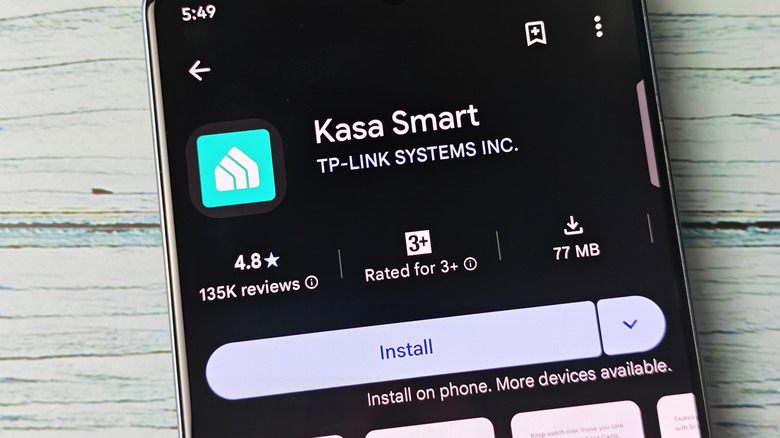
After your new smart home gadgets are installed, you'll also need to download and install the corresponding mobile apps, and set those up, which also involves connecting your new devices to your local Wi-Fi, and then configure your new systems. There are many smart home automations and programs, for example, which allow you to set up auto-triggered actions, and those usually must be established before you can enable them, which may or may not require syncing smart home devices with speakers, smart assistants, and other apps.
To give you an example, you can set up smart plugs and smart lights to turn on at a certain time in the evening and then back off after you've gone to bed. Or, have a smart thermostat increase the temperature by a few degrees when you're not home to conserve energy. However, you usually have to configure these automations in the device's app, or set it up through something like your Echo smart speaker with Alexa.
This part of the process can take almost as long as anything else, hours if you really dive into configuring it all. So, at the risk of sounding even more vague, it could add extra time to your smart home installation totals. Make sure you set aside some extra time for these tasks, if you're on a time crunch.