

Who Owns Ubiquiti, And Where Are UniFi Routers Made?

Technology firm Ubiquiti may not be a household name like Apple and Samsung, but since its launch in 2003 it's become a major player in the global networking industry. The New York City-based company develops a wide range of networking products under its UniFi brand, including routers, Wi-Fi access points, and network switches designed to serve businesses, IT professionals, networking enthusiasts, and internet service providers. It also builds routers like the AmpliFi Alien for home users.
While Ubiquiti is a publicly listed company, it's mostly controlled by its founder, chairman, and CEO, Robert Pera, a former Apple engineer who owns 93% of the company's 60.5 million or so shares. Yes, that leaves just 7% for all of the other shareholders combined. The setup actually makes Ubiquiti an unusual public company because while its shares trade on the New York Stock Exchange, Pera's 93% ownership gives him decisive control over things like board elections, company strategy, dividends, buybacks, and other shareholder votes. While outside investors can indeed buy and sell shares in Ubiquiti, they don't really have any meaningful influence over the direction of the business. The market calls this a "controlled company." Meta is also in this camp, though through Mark Zuckerberg's control of specialized voting shares.
Ubiquiti's UniFi brand includes products such as network routers, Wi-Fi access points, security cameras, and video doorbells. Pera's company designs its popular products like the UniFi Dream Router and the Cloud Gateway Fiber, for example, manufactured by third-party companies mainly located in Vietnam and China. The only way to know where exactly a Ubiquiti device was made in is by checking the device or box, which should have a label naming the country.
Ubiquiti and its place in the global networking industry
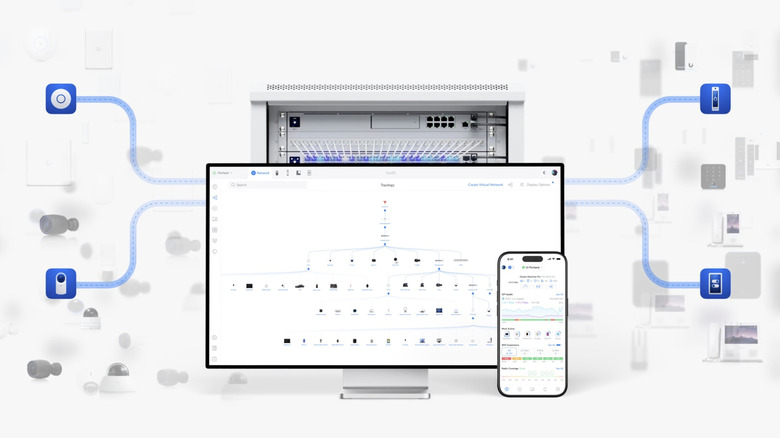
Ubiquiti has become a recognized name in the networking industry, with its devices designed to work together within an integrated ecosystem. One of its main attractions is centralized network management that lets users monitor and configure multiple devices through a single interface, and often at a competitive price. It's this design that makes the company's products appealing to the likes of businesses, IT professionals, and network installers that need to manage multiple locations.
The company competes with a number of established brands. Cisco and Hewlett Packard Enterprise's Aruba Networking Services, for example, are both notable forces in enterprise networking. TP-Link's Omada range meanwhile targets small businesses and cost-conscious buyers.
Ubiquiti is also up against brands like Netgear and Linksys in the consumer and prosumer networking markets. For small and medium-sized businesses, network installers, and those with a bit of technical know-how, Ubiquiti's UniFi gear is generally seen as a compelling option.
The networking device maker started out by creating high-power radios that could broadcast network access to long-range installations, including through wireless internet service providers. It has since grown to become an established international manufacturer. While it now faces intense competition from much larger companies, Ubiquiti's integrated UniFi ecosystem has helped it to carve out a distinctive position in the global networking market.