

The 5 Most Concerning Incidents Involving Waymo Vehicles
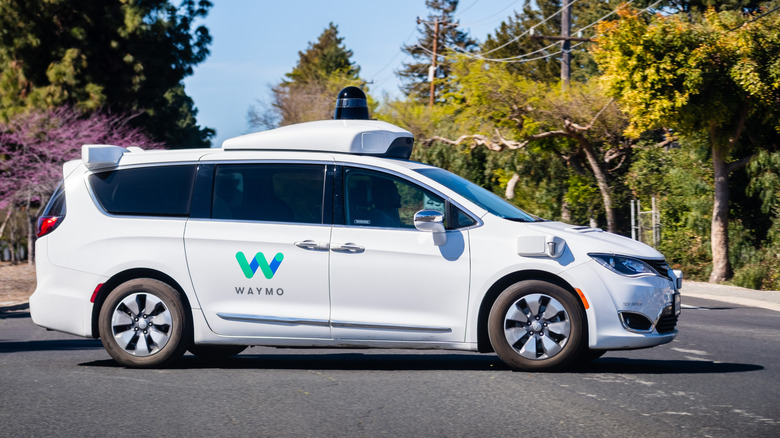
Waymo is finding itself under scrutiny after the National Highway Traffic Safety Administration (NHTSA) announced that it would be reviewing the company's recall of more than 2,800 Waymo vehicles. The main goal here appears to be to determine if software from a late 2025 update actually resolved an issue that caused Waymo cabs to continue driving past school buses even when they had their stop lights flashing. While the company claims that the update's rollout was completed in November 2025, thus resolving the problem, the NHTSA says that most of the incidents appear to have happened after the rollout supposedly finished.
The issue with school buses is just one of several that have plagued Waymo taxis in recent months. Waymo cabs have also driven into freeway construction zones as well as onto a flooded road, potentially putting passengers in dangerous situations. We've even seen Waymo cabs stop right on train tracks. Despite these incidents, the company continues to expand the locations that its cabs operate in, and Waymo still boasts that its autonomous vehicles are involved in 95% fewer crashes that result in serious injury when compared to their human-piloted counterparts.
While not all of these incidents are as serious as others, knowing the full breadth of issues that Waymo cabs have struggled with can help you decide if you'd like to trust the vehicles. There are several more, but here are five of the most concerning incidents Waymo vehicles have been involved in.
A Waymo taxi drove into a flooded street
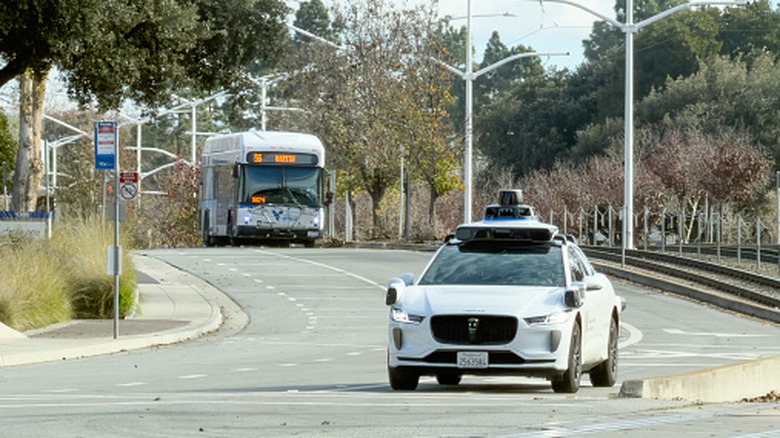
While nobody was in the Waymo that this incident involved, the fact it happened at all is still concerning. In late April 2026, a Waymo cab in San Antonio, Texas, drove into a flooded section of a road. The company says that the car noticed the water, and even identified that it might be too deep for it to continue. However, it didn't stop. Instead, it just slowed down and kept going.
Sure, no passengers were in immediate danger, but this kind of behavior is still concerning, as deep water can easily cause a vehicle to stall out or even be swept away, putting the passengers in danger, especially if the water continues to rise. Waymo is already working on a fix for the issue, but in the meantime it has removed many of the roads with the highest flood risks from its operation areas.
Waymo taxis have driven into closed freeway construction zones
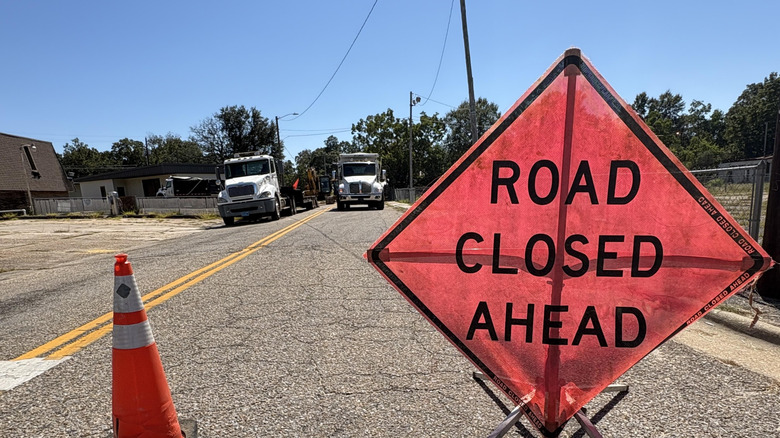
While the flood issue has only been publicly reported three times, Waymo cabs have driven into closed construction zones at least 13 times, according to reports. Each of those instances occurred within the same five weeks, separated across two different operating areas. The issue started in Phoenix, Arizona, where a Waymo taxi drove past a ramp closed sign in early April 2026. It happened five more times on April 19, 2026.
To address this issue, Waymo began limiting freeway driving until the cars could get stronger at recognizing and reacting to closure issues. However, in May 2026, Waymo vehicles operating in the San Francisco Bay area drove into a freeway lane with active construction. Waymo's recall filing pinned the issue on two potential problems. First, the company says that the cab either failed to recognize the construction zone at all, or it was too focused on avoiding another road hazard to react properly to the closure. Either way, the issue led to more driving restrictions. Since that issue popped up, the company has recalled more than 3,000 vehicles as it tries to resolve the problem.
A blackout in San Francisco left emergency crews blocked out
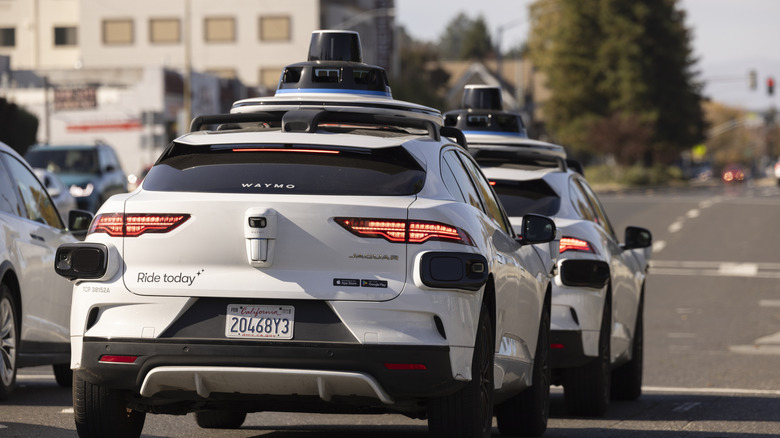
This next issue is especially pertinent as more and more robotaxis start to spread out to additional cities. In December 2025, a fire broke out in San Francisco, leading to roughly 30% of the city losing power. During the blackout, Waymo taxis stalled out at powered-off red lights, blocking the street and keeping emergency crews from being able to get through. This particular issue put lives at risk for people who had never even used a Waymo. Eventually, Waymo was forced to shut down the service during the blackout, and at least 63 of the vehicles had to be retrieved manually.
While the blackout and stalling was bad enough to stop traffic, the bigger issue is that it stopped emergency services from getting to where they needed to go. While traffic jams are an issue with human-driven traffic, too, some of the Waymos in the area got stuck waiting for remote assistance after the outage triggered a surge in requests for help at dark traffic lights. One emergency vehicle was even held up for 40 minutes during the blackout, while reports suggest that other Waymos may have blocked firefighters from reaching two fires in a more timely manner.
Waymos illegally passed stopped school buses
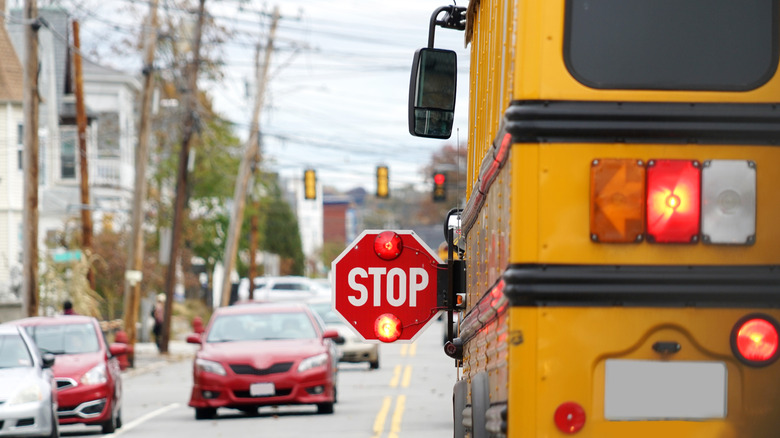
If you've ever driven behind a school bus at drop-off or pick-up time, then you probably already know that you're supposed to stop when the bus comes to a stop and extends the stop sign and flashes its lights. This is done to provide children with a safe opportunity to cross the street and get to the bus or off it, if needed. However, in several instances, Waymo robotaxis have continued to drive past school buses with their stop signs extended and their lights flashing. The issue has seemingly persisted after the company put a fix in place to stop it from happening.
It is worth noting that some of these situations, such as an incident in January 2026, were also partially caused by human drivers. During a drive, a Waymo vehicle with no passengers came to a stop when a bus stopped in the opposite lane of travel. Despite the stop sign being extended and the lights flashing to indicate that the bus was stopped to pick up children, several other vehicles passed the Waymo and the bus without stopping. This caused the Waymo vehicle to reach out to its remote agents to determine if the bus was actually stopped to pick up children. The remote agent answered "no" and then the Waymo vehicle continued on its way. Nobody was hurt during this incident, but it shows that Waymo vehicles and their human support agents can be influenced by bad-acting human traffic.
A Waymo robotaxi hit a 9-year-old girl
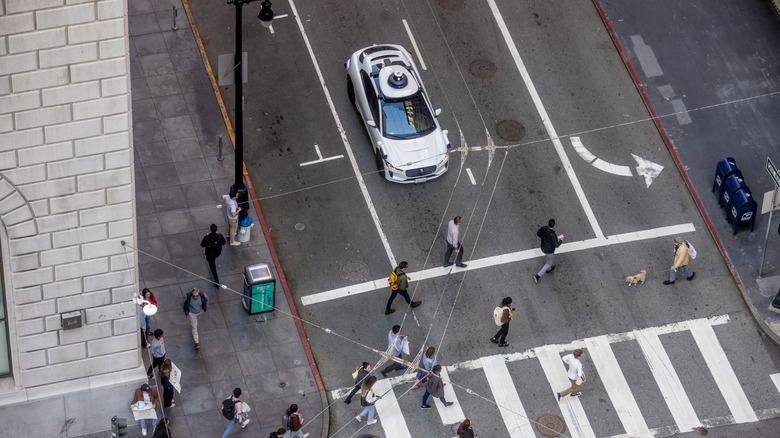
While Waymo taxis have had their share of troubles, perhaps the most concerning issue that we've seen was when a robotaxi hit a 9-year-old girl being dropped off outside of an elementary school. While the girl only suffered minor injuries, the fact this happened at all has raised some questions about just how safe Waymo vehicles are. Just prior to the crash, the Waymo was reportedly only traveling around 17 mph inside the 25 mph school zone. It had just left a 15 mph school zone, too, so it appears to have been traveling at an expected speed for the area.
It's also worth noting here that the girl climbed out of a car that was situated in a line of vehicles stopped at an intersection. So, while there's no excusing what happened, it also isn't something a human necessarily would have been able to respond to better. Still, the issue has been under investigation since January of 2026, with the NHTSA looking into whether the robotaxi exercised enough caution near the school during drop-off.