

4 Big New Upgrades That Make The Starlink Mini 2 Worth It
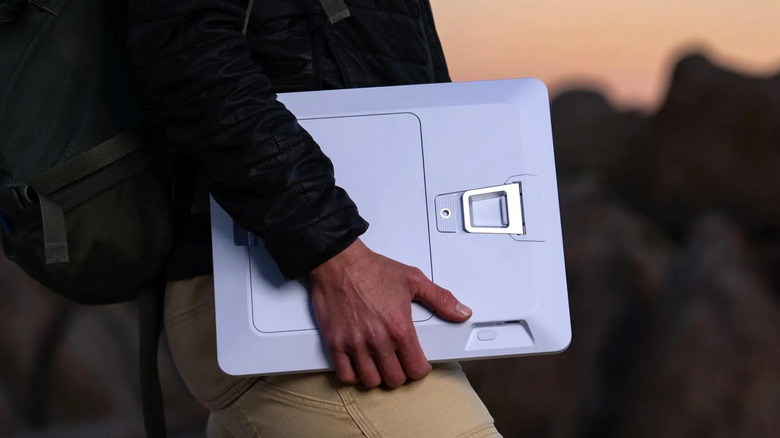
Starlink has just launched the Mini 2, the second generation of its portable satellite dish. The concept is the same as before: you find a clear view of the sky, prop the dish up, and you can get online in under a minute. The original Starlink Mini had no battery of its own, so if you wanted to power it on the go, you'd often need to connect it to a power station with the right cable. Instead, the Mini 2 has a removable battery clipped to the back, which will last for up to 4.5 hours per charge, and you can swap in a fresh one when it runs flat.
Starlink has used this Mini redesign to sort out a few other complaints as well. It's thinner, now offers Wi-Fi 6, and has a wider signal range. If you've been reading what owners make of the first Starlink Mini and holding off, these are the four upgrades worth paying attention to.
1. Quick-swap battery
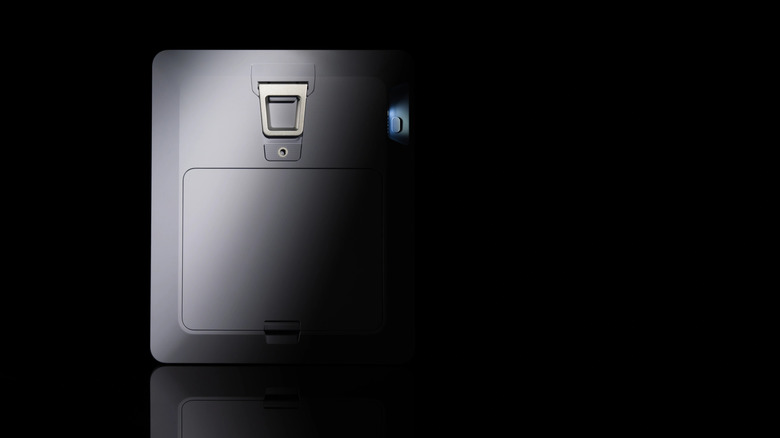
The Starlink Mini 2 comes with a built-in, removable, rechargeable 71-watt-hour battery that weighs 490g and attaches with a quick-release mechanism. For anyone who dragged a power station along to keep the first Starlink Mini alive, this is the upgrade that changes what the product is for. Starlink rates it for up to 4.5 hours of connectivity on a full charge. A row of LED lights on the battery tells you how much charge is left, which saves you from having to open the mobile app to check the charge level.
The quick-release mechanism means that the battery pack can be removed in one motion. With a second battery, you can extend 4.5 hours of use to nine hours without plugging in the dish. Since the Starlink Mini 2 is designed to be used on the move, this makes it even more useful than it already was. Carrying the Mini 2 with the battery attached or even spare batteries on a plane is not a problem. The 71-watt-hour battery pack falls comfortably under the 100-watt-hour per-battery ceiling the Federal Aviation Administration allows in carry-on bags without airline approval. Spare batteries will have to travel in the cabin rather than the hold.
2. USB-C power in both directions
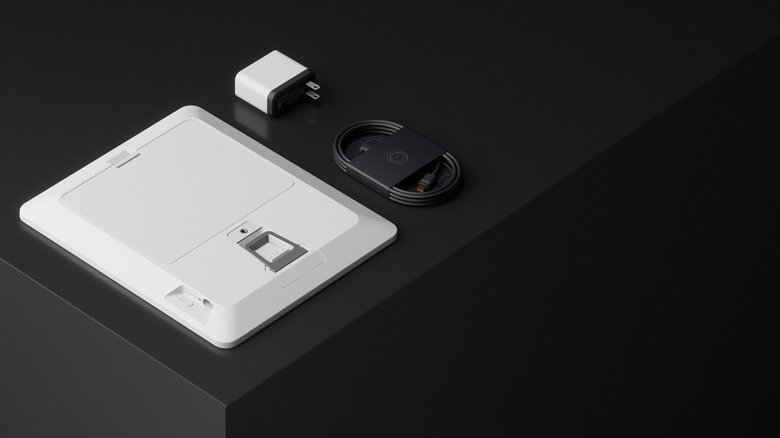
The Starlink Mini 2 charges over USB-C at 60 watts, and there's a 60-watt wall charger and a 3-meter USB-C to USB-C cable included in the box. The first Mini took 12 to 48 volts through a barrel connector and needed a 100-watt USB-PD supply. Plus, you'd need an optional adapter cable if you wanted to run it from USB-C. Now the same USB-C charger that you'll already be carrying around can juice up the Mini 2.
Interestingly, the battery can also push power back out over USB-C at up to 60 watts, so the Starlink Mini 2 can be used as a power bank for a phone, a tablet, or a laptop when the dish is docked and charging. It won't replace a dedicated device from our power bank testing if you need capacity, but it might mean one less thing to pack for a weekend camping trip. There's also a physical power button on the unit now, so you can switch it off without going through the companion app.
3. Wi-Fi 6 and improved signal
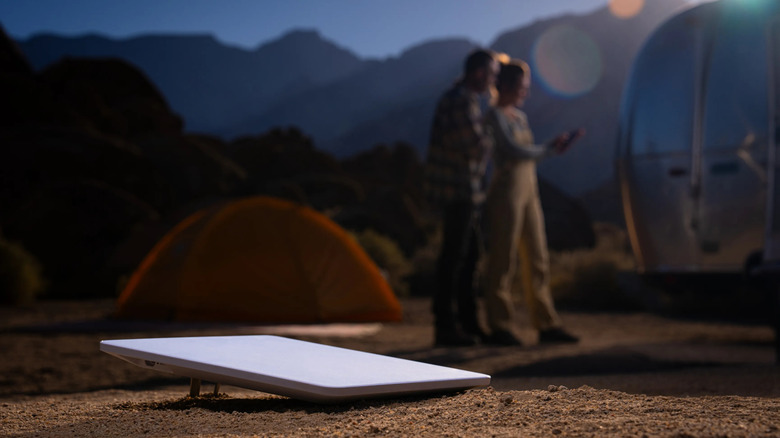
The Starlink Mini 2 now supports up to Wi-Fi 6, whereas the first-generation model only ran Wi-Fi 5. While this might not necessarily mean you get better speeds, it should mean your connection works better in crowded areas. Wi-Fi 6 splits a Wi-Fi channel between devices rather than making them queue one at a time. So if you're on a family camping trip with four phones, a laptop, and a tablet connected, the Mini 2 will handle traffic better than the first-generation would. We've covered what Wi-Fi 6 actually does for devices that support it in more detail.
With the Mini 2, Starlink quotes up to 1,800 square feet of Wi-Fi range, compared to the 1,200 square feet that the first Mini could handle. That's a 50% increase, which is important if you're using the dish to power the internet for a small site office or across a large camping ground. The new dish keeps its IP67 water- and dust-resistance rating, meaning it's sealed against dust and can survive being submerged in shallow water. On the original Mini, plugging a standard RJ45 cable into the Ethernet port canceled out that rating, and it's not yet clear if the same is the case on the new dish.
4. A slimmer body
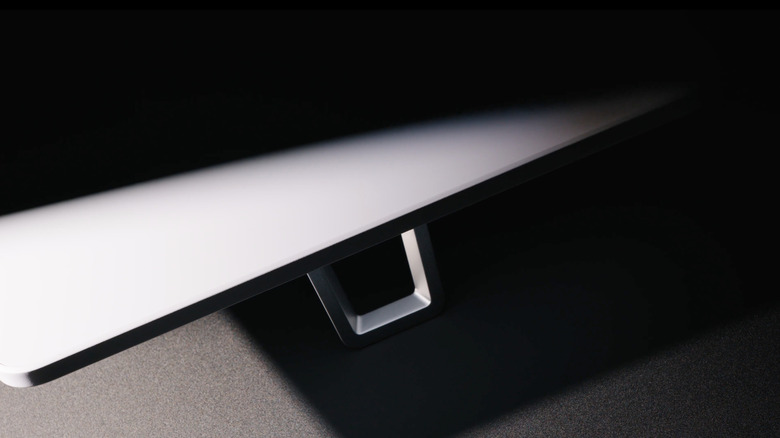
The Starlink Mini 2 measures 263 x 314 x 23.1 millimeters, which makes it noticeably flatter than the first Mini. The dish's footprint is ever so slightly larger, but its thinness now means it might slip into a backpack rather than just be strapped to one. The Mini 2 also has a built-in foldable kickstand rather than a separate one. The total weight with the battery and kickstand is 1.6 kg, which is slightly heavier than the first Mini. But once you consider the cable that shipped with the original compared with the USB-C cable included with the Mini 2, the difference becomes almost nothing.
There's also a new standard quarter-inch camera thread on the Mini 2. That means any camera tripod, clamp, or suction mount you already own will be able to hold the dish. Aiming a satellite dish from a tripod on a balcony or a truck bed is a much easier job than balancing it on whatever flat surface is nearby, and the thread means you'll no longer need to buy a proprietary mount.
When can you buy one?

While the Starlink Mini 2 offers a bunch of upgrades, one feature is slightly worse. The new dish only has a 55-degree field of view, which is down from 110 degrees on the first Mini. Field of view is the slice of sky the dish can see to track satellites without being physically moved. Halving it means the Mini 2 needs a clearer, better-aimed line to the sky to hold a connection. Under an open sky it shouldn't matter, but wedged on a balcony or under tree cover, it probably will. That sits on top of the drawbacks that come with satellite internet, including weather sensitivity and latency that still trails a wired connection. But Starlink remains the best satellite connectivity option, especially for those who otherwise find it hard to get a network connection.
Preorders for the Starlink Mini 2 are open now in the U.S., but by invitation only. You'll need to register your interest and wait to be invited to order. Starlink hasn't officially announced pricing for the Mini 2, but according to some users who have been invited to order, it will cost $999 and begin shipping in December. That price includes one year of the Roam Unlimited subscription, which typically costs around $1,500 per year. Starlink hasn't confirmed whether spare batteries will be sold separately or how much they will cost.