

What Does Oleophobic Coating Do To Your Phone, And How Long Does It Typically Last?

We may receive a commission on purchases made from links.
Who doesn't love pulling a new smartphone out of the box and swiping across that smooth glass? That delightful glide isn't just because the phone's new, though: it's a chemical that gets applied during manufacturing called an oleophobic coating. In fact, the word "oleophobic" translates literally to "oil fearing," and this invisible layer on your phone works to repel the oils your skin produces.
If your phone didn't have that thin oleophobic layer, scrolling on TikTok and typing in your group chat would leave a greasy mess behind, like if you dropped a greasy slice of pizza on the screen (minus the tomato sauce). This treated layer isn't limited to your main display, either; third-party screen protectors typically also come with this coating.
But as with some good things in life, there's also a downside: the layer is temporary. It absorbs the friction of all the swiping, scrolling, and tapping you do every day. You can expect it to last roughly a year or two under normal use. Heavy phone users who spend all day gaming or doomscrolling might see it disappear much faster than that. This total wear-down often starts as a stubborn smudge right where you tend to touch the screen most. It'll stop looking new and pristine and start acting like a greasy spot. It isn't necessarily one of the signs it's time to get a new phone, but you should address it.
How long the coating lasts and how to protect it
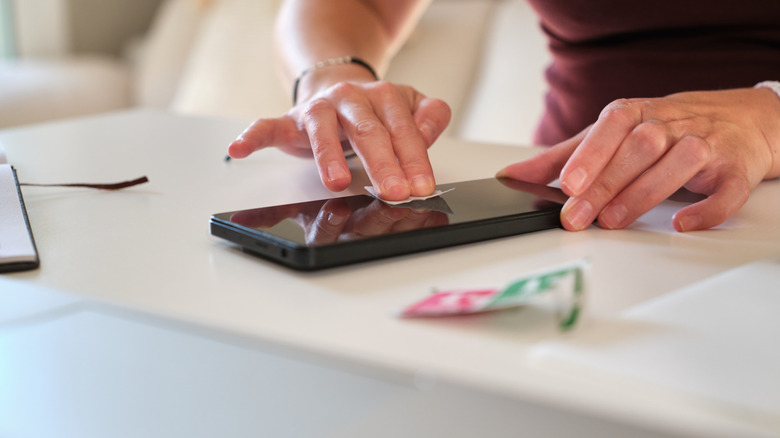
The quickest way to destroy your phone's oleophobic layer is by not cleaning your screen properly. We get it: it's tempting to take your dirty phone and just blast it with some glass cleaner or alcohol wipes, but the harsh chemicals in them can damage the screen and eat right through the oleophobic layer. All you need to do to maximize your phone's coating is some simple, gentle maintenance: applying a quality screen cleaner weekly and then wiping the screen with a microfiber cloth.
It's the nature of this layer to get worn down. However, it's easy (and affordable) to restore that fresh-out-the-box glide once it does. You can use a liquid oleophobic coating kit, like this $10 ProofTech OLEOPEL Coating Kit on Amazon. These kits typically have you rub a fresh oleophobic layer straight onto your worn-out display. Also, you may have to reapply the liquid every so often as it wears down, and you might not get the same brand-new experience. Alternatively, keep things simple by just slapping on a tempered glass screen protector, like Spigen's GlasTR EZ FIT for $20. Screen protectors have a fresh oleophobic layer baked right in, making your screen feel nice and smooth again in mere minutes. That said, there are some disadvantages to using screen protectors, as not everyone might appreciate their look and feel on their smartphone.