

Here's What Happens When Your Smart Glasses' Batteries Stop Working
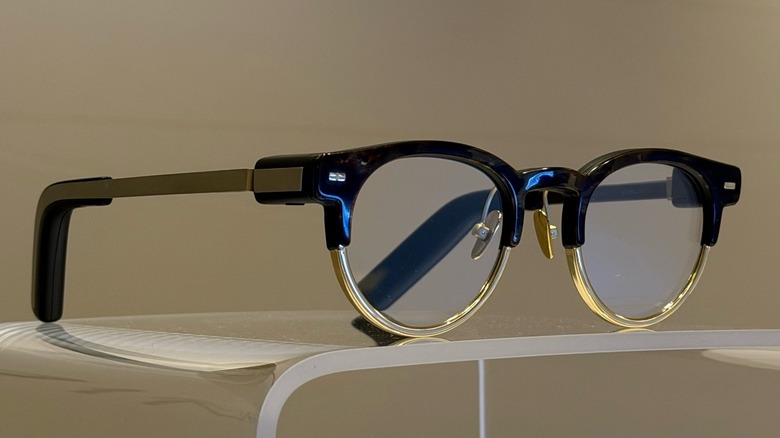
When smart glasses first hit the scene, they were touted as groundbreaking tools, allowing anyone to get directions, chat with friends, and set reminders without ever having to pull out their phone. However, it's been over a decade since Google's ill-fated Project Glass, and the reality is quite a bit different from what was envisioned. Short battery life is one of the biggest disadvantages of smart glasses, with Meta estimating between four and nine hours of usage from a full charge, though some tests show that recording video can reduce this to nearer one hour.
If your battery level gets too low, you may not be able to start new recordings or use power-intensive features. However, you should be able to make calls, listen to music, and otherwise use the glasses as normal until the battery is completely dead if you're so inclined. They will, of course, continue functioning as normal glasses too, assuming you picked up a pair with prescription lenses. Additionally, battery life drops significantly when temperatures dip below freezing, and recharging the glasses before they've warmed back up will not only take longer but could even permanently reduce the battery's capacity.
Smart glasses have bigger problems than quickly draining batteries
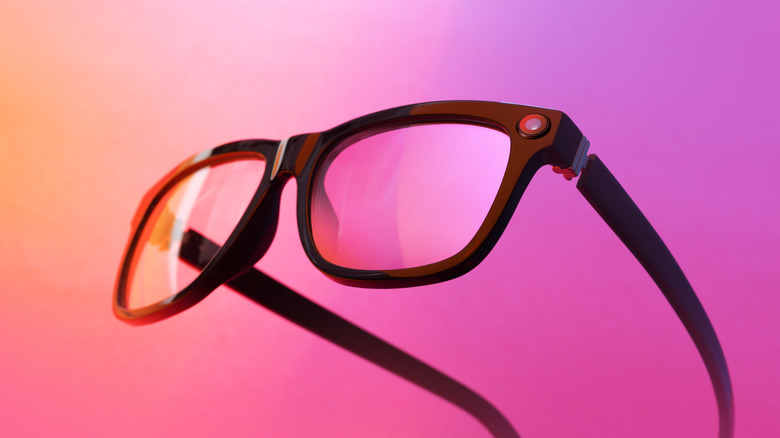
Batteries are typically expected to last a set number of charge cycles, but no major smart glasses manufacturer has released specific details on this. That's a huge concern, especially considering their batteries usually cannot be replaced and aging batteries are more prone to overheating – nobody wants their tech to explode, and certainly not while it's on their face.
Whatever your opinion on smart glasses, it's clear there are major hurdles to overcome before the technology matches up to the hype. Meta has announced audio-only glasses intended to combat privacy concerns, and those concerns are widespread, as a new investigation has revealed that smart glasses are recording your most private moments. The company has also filed patents for glasses with removable batteries but hasn't publicly shared any further details on its plans as yet.
Hot-swappable batteries would be a game-changer for this technology. It would allow users to carry a spare and effectively double the amount of time they could use their glasses. It'd also extend the life of the hardware, since at the moment, if your glasses die outside of their warranty period (typically one year), your only option is to buy another pair. Hindsight is 20/20 though, so it's up to each user to determine whether they really got their money's worth.