

Who Makes Oppo Phones, And Where Are They Manufactured?
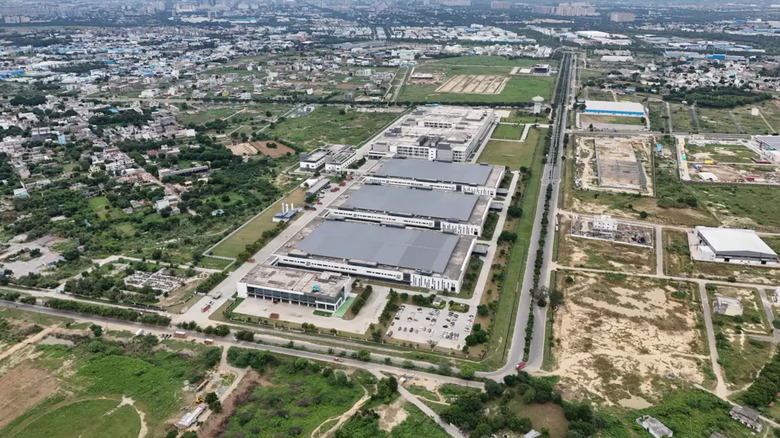
Oppo, the Chinese phone maker, doesn't have that complicated a manufacturing history. What you need to know about Oppo is that it doesn't centralize itself within one country for putting its phones together. It designs and engineers everything out of China, but final assembly takes place in factories based in India, Indonesia, and Pakistan. There are also locations in Egypt, Bangladesh, and Brazil for their regional markets.
This is by design, as some countries charge tariffs for fully built devices coming into the region. India, for example, charges a 20% tariff, so Oppo gets around it by shipping incomplete phones to its factories for assembly. The parts themselves are sourced from other companies. Qualcomm chips are sourced from Taiwan, while the camera sensors, like the ones on the Oppo Find X10 Pro Max, are Sony-branded, coming from Japan. Displays, on the other hand, are almost entirely sourced from Chinese or Korean manufacturers. You get the picture.
The decentralized strategy began in 2018, as other Chinese companies, along with other Asian-based companies like Samsung, started working with these factories. Oppo saw shipments "exceed" 50 million units after the partnership in the region. In 2021, after Oppo expanded its Greater Noida "super factory" in India, it was able to assemble a new phone every three seconds.
What does each country manufacture for Oppo?
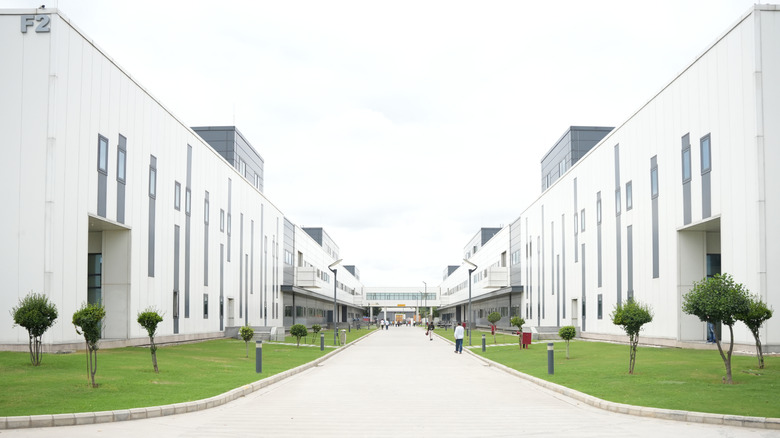
According to Alibaba, the Chinese e-commerce giant, each country is split into different tiers for manufacturing strategies. Pakistan and Indonesia are reportedly used for "price-sensitive markets," while India deals with Oppo's mid-tier models at scale. China then handles the high-end flagship devices, like the Find X series. That was until 2024, though, when Oppo adjusted its strategy.
Indonesia's government requires smartphone manufacturers to source a minimum of 35% of their components from domestic partners. Oppo reacted by sourcing between 36 and 37% of its components from the region, thus exceeding the country's domestic component level (TKDN) policy threshold. Oppo has since begun manufacturing high-end flagship phones at the factory for the Indonesian market, not just budget models.
An underreported location is Oppo's now-ex-location in Istanbul, Turkey, which had its management taken over by AGM A.Ş. Rather than letting it go entirely, the strategic partnership sees AGM still making Oppo phones, using all of Oppo's tech, and dealing with aftermarket care too. AGM, of course, isn't beholden to just making Oppo phones and has its sights set on other markets, according to the Eastern Herald and local newspapers.
Bangladesh, Brazil, and Egypt deal with Oppo in similar ways
Other regions have taken similar routes to AGM. Benli Electronic Enterprise, for example, partners with Oppo out of the Bangladesh plant for its domestic market. In 2025, it aimed to make one million phones, and had been tapped for potentially becoming a new export factory as well. Oppo was also importing its phones from China to Brazil to tap into its market, as of 2022. By 2024, though, the company partnered with The Multi Group, giving Oppo the ability to assemble components and distribute the devices in the same place.
In 2025, Oppo also opened a factory in Egypt, with a $50 million investment plan. This is one of the larger factories on its roster, with around 2,000 employees, and plans to increase production lines. This is done in partnership with the government, which wants to host more manufacturers in the country. It's estimated that the plant will be making around five million phones per year as of 2026.