

What Is The Point Of An Android Tablet If You Buy A Smartphone?
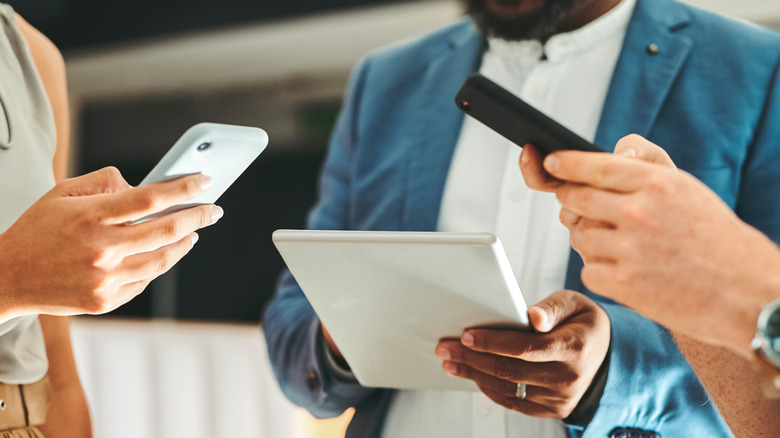
The most powerful smartphones easily compete with Android tablets, and have the advantage of being essential daily tools that everyone needs. They're practical and pack powerful processors in a compact size that go anywhere with you. Tablets, on the other hand, aren't as portable due to their bigger displays. Comparing apples to apples, Samsung's flagship Galaxy S25 Ultra has a 6.9-inch screen and a 5,000 mAh battery, starting at $1,050 for the powerful Qualcomm Snapdragon 8 Elite Processor with 12GB of RAM and 256GB of storage. The brand's premium Samsung Galaxy Tab S11 Ultra costs just $30 more, at $1080, and doubles the display size and battery capacity to 14.6 inches and 11,600 mAh. It runs on the marginally less powerful Mediatek Dimensity 9400+ with a similar 12GB of RAM and 256GB of storage space.
So what's the point of an Android tablet if you buy a smartphone? A tablet's larger screen size and battery capacity make it a preferable option for some uses. They can be better for work and entertainment, and provide a perfect compromise between a smartphone and a reliable laptop.
Tablets are fantastic for entertainment
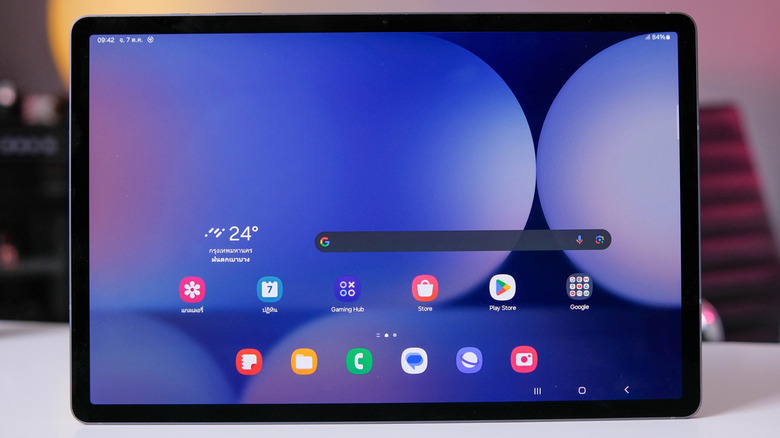
A tablet's larger size is its biggest and most obvious advantage, and the significance can't be overstated. They have larger screen sizes, and upmarket tablets like the Galaxy Tab S11 Ultra, Apple iPad Pro, and Lenovo Tab+ will also have four or more speakers compared to two found on the best phones.
The combination of a larger screen and more speakers creates better immersion, making tablets superior for entertainment. They're better for streaming movies, shows, and YouTube channels because the visuals are clearer on the larger display, and the sound packs more of a punch. It's the same with games; the graphics and colors come to life with more screen real estate. Touch controls can also be more user-friendly because they aren't as cramped as they are on a smartphone.
Simpler recreational tasks, like web browsing or running e-book apps, are also better on a bigger screen. You scroll less to view more, and the larger text is easier on the eye and more comfortable to read. Embedded images and videos are more eye-catching and stand out more compared to smaller phone screens.
They are better than a smartphone for work and studying
Tablets can also be faster and more intuitive for some users. The screen fits more rows and columns, so you can comfortably view entire spreadsheets or document pages without needing to zoom in. You can also view them side-by-side to compare information or copy data between them. Split-screen and pop-up views often feel constricted on smartphones. On tablets, they become handy multitasking tools for running apps concurrently, allowing you to get more work done faster.
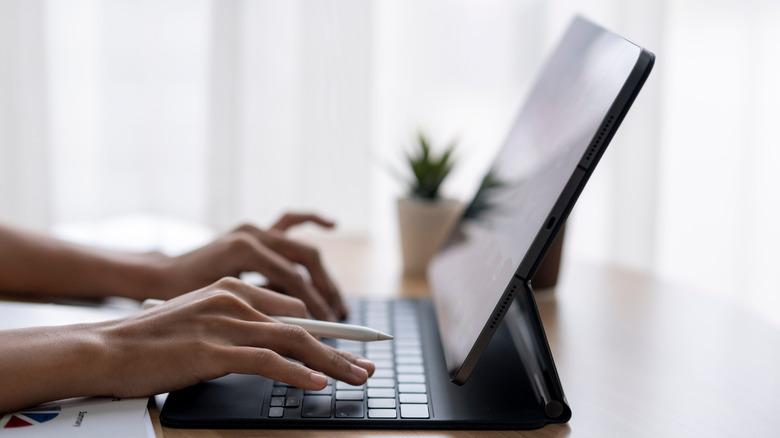
On-site workers who need a spacious display may be better off with a tablet, as it is portable and lightweight for both sitting and standing use. Workers can use them to input measurements or specs and write quotes for customers without needing a desk or a laptop. Tablets can also be paired with a Bluetooth keyboard for typing documents and emails, or with a stylus for taking notes and drawing. These accessories can transform how your tablet functions, but they aren't without drawbacks. Their functionality can often be hit or miss, depending on the tablet's specs and the hardware you're pairing it with. Software compatibility can also be an issue. There's also the individual user to consider: some may find that adding a keyboard or stylus is a productivity game-changer, while others might find it frustrating.