

8 Major Vinyl Player Brands Ranked From Best To Worst Based On User Reviews
We may receive a commission on purchases made from links.
Vinyl's comeback is often framed as a nostalgic blip, but that explanation collapses when you look at who is actually driving sales. According to Luminate's 2025 year-end data, vinyl sales rose for the 19th consecutive year in 2025, with Taylor Swift leading the U.S. vinyl albums list and selling over 1.6 million units of her album "The Life of a Showgirl." This helps to retire the assumption that physical media is a niche hobby sustained mainly by older collectors.
Renewed interest in physical records isn't limited to pop fandom or retro aesthetics. As Rolling Stone notes, collecting physical media has become a conscious choice, especially among people immersed in digital culture. Vinyl is an alternative music trend to streaming services for some listeners, and even CDs are making a comeback.
Once vinyl becomes part of how you actually listen, the turntable behind it begins to matter. And that's where things get tricky. Today's market is full of record players that make a great first impression, but not all age well. For this article, we looked beyond early hype to how turntables hold up over time, considering build quality, upgrade potential, and what owners say after years of use. The brands below are examined through that long-term lens, drawing on user experience and community reputation. A detailed breakdown of our rankings is available at the end of the piece.
Technics - Tanks of turntables
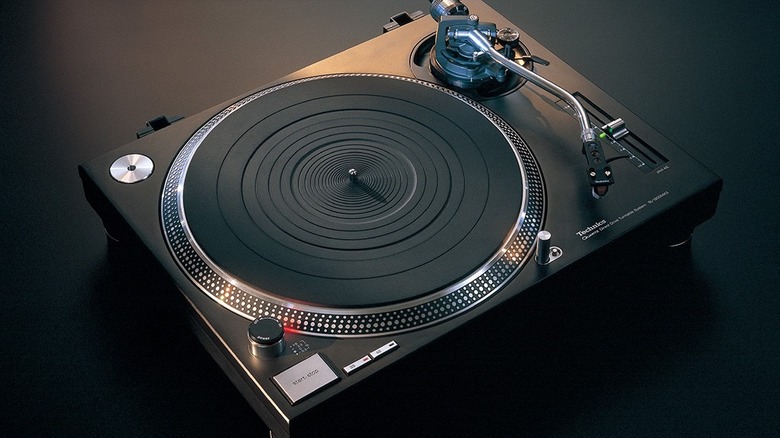
Spend enough time in vinyl forums, Reddit threads, or audiophile groups and a pattern becomes hard to ignore: When the conversation gets serious, Technics shows up. In most discussions, the brand is considered legendary, especially the SL-1200 series. Much of that reputation comes from its long-standing dominance in DJ culture. DJs relied on Technics for its direct-drive design that delivered high torque, rock-solid speed stability, and the ability to hold pitch under demanding conditions. That same engineering rigor is why its turntables continue to be respected among home listeners.
Owners routinely describe their Technics decks as "tanks," and not in a romantic, retro way. They mean machines that keep working, year after year, with minimal servicing, even as everything around them is upgraded or replaced. What's striking is how often Technics shows up in years-later discussions. Many users talk about buying a Technics turntable decades ago, or picking up a used one from the '70s or '80s, and still using it today. The reputation extends beyond vintage nostalgia too. Modern Technics models are discussed with the same seriousness.
In upgrade themes, it's common to see users moving from respected belt-drive decks — often from Pro-Ject, or Audio-Technica to models like the SL-1200GR or SL-1500C — and describing the switch as worth it. Professional coverage mirrors this sentiment. What Hi-Fi? consistently places Technics models in specialist categories, including premium turntable suggestions. Perhaps the strongest argument for Technics at number one is how rarely it's described as a stepping stone. Plenty of people upgrade to Technics. Few feel the need to upgrade from it. Technics earns its top ranking as it remains respected over time.
Pro-Ject - Perfect for clear upgrade paths
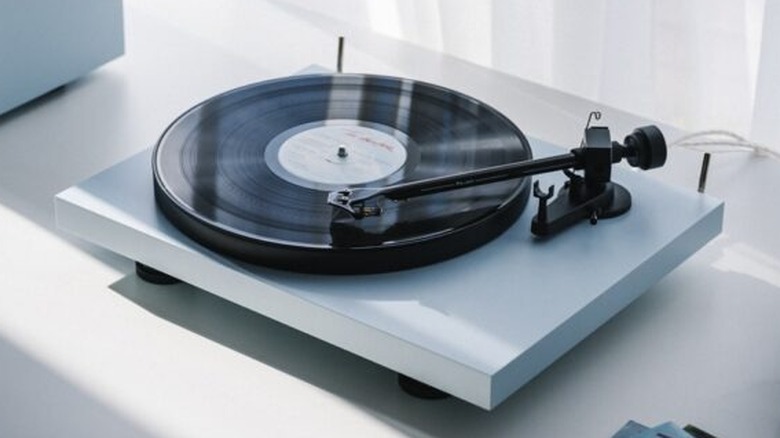
Pro-Ject is the brand many people lean towards when they need high quality at affordable prices. In vinyl conversations, Pro-Ject is rarely framed as your final turntable, and that's okay. Its potential to evolve its setup is actually the reason the brand is ranked so high. In user discussions, Pro-Ject comes up as an enthusiast-driven brand that offers upgrade paths. Pro-Ject turntables support cartridge swaps and integrate easily with external phono stages. Platter upgrades on several models are also available. Many users on Reddit highlight the brand's attention to essentials like proper tonearm adjustments and a sound motor, without pushing prices into high-end territory.
HiFi Daydreaming positions Pro-Ject's X1 as a strong long-term investment due to the model's possible incremental upgrades, allowing listeners to progress further without changing the core turntable. What Hi-Fi? has recognized Pro-Ject across multiple categories. The Primary E won best budget turntable for getting the sonic fundamentals right at an accessible price. The Debut EVO 2 earned best mid-range turntable, and the T1 EVO BT placed as the best Bluetooth turntable. Few brands manage to span entry-level to mid-range so convincingly without diluting identity. Pro-Ject positions itself as an adaptable, modular turntable brand that helps listeners enjoy the process of learning about vinyls and gradually improving their vinyl setup.
Rega - Highly regarded for sound, but selective in appeal
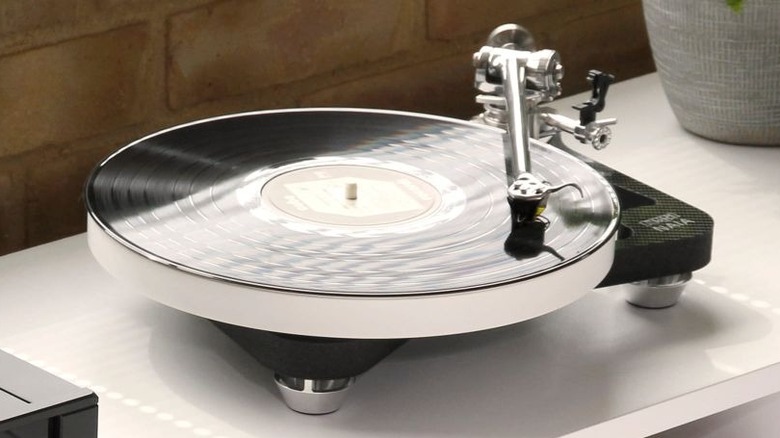
Rega is mentioned a little later than brands like Technics or Pro-Ject, in debates between vinyl enthusiasts centered on direct-drive designs, built-in features, or expansive upgrade ecosystems. What consistently defines the brand, however, is its emphasis on musicality and fundamental sound performance. Rega built its reputation on musical, engaging playback. Vinyl Revival refers to the Planar lineup as exemplifying Rega's "signature musicality," highlighting its analogue warmth, dynamic scale, and cohesive presentation. What Hi-Fi? named the Rega Planar 3 RS Edition the best 2026 turntable overall.
However, Rega's minimalist design comes with trade-offs — one of the reasons we kept it at number three. On models like the Planar 2, changing speeds requires lifting the platter and moving the belt manually. Some users accept this part of the analog experience. Others find it to be unnecessary friction, especially when similarly priced alternatives offer electronic speed switching. Many experienced users suggest skipping the Planar 2 entirely and stepping straight to the Planar 3 for its ability to add an external speed control switch. The Planar 3 also has a superior tonearm and offers better upgrade potential. At its price point, however, Technics might offer more practical, long-term options.
Owners who buy into Rega's philosophy stay content for years. Those who move on usually do so without disappointment, realizing they want more control or flexibility than Rega offers. It's not trying to compete on flexibility or ease of use. Its strength lies in musical presentation, and that decision continues to resonate with experienced listeners.
Fluance - A safe setup
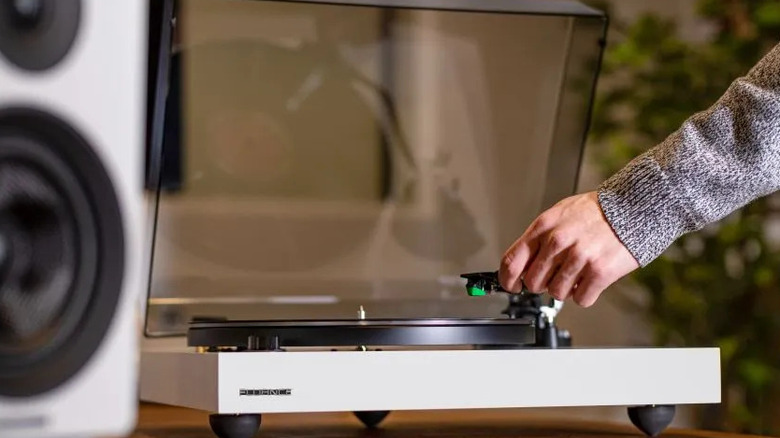
Fluance builds its reputation on sound quality that punches above its price point. Its dense plinths have robust quality, and it's a safe step-up choice for listeners who have moved past entry-level gear. Most Fluance models prioritize ease of setup, with factory-mounted and pre-aligned cartridges, including Ortofon models on higher-tier units. Forbes describes the brand's setup process as "straightforward" and beginner-friendly. This ease makes Fluance a natural fit with listeners building a simple system before moving deeper into traditional hi-fi.
Models like the RT85N maintain strong ratings on Amazon and are considered great value for money. Many people prefer Fluance for its high upgradability. A drawback is that it doesn't offer extensive features like Bluetooth connectivity. Perhaps the brand has calculated that serious vinyl listeners care more about how music sounds than about peripheral features. Although it has great sonic capabilities, it lacks a strong long-term ecosystem.
Fluance caters to listeners who have spent enough time with records to care deeply about sound quality, but also who are not looking to invest four figures in a turntable. The brand doesn't offer the long-term ecosystem of Pro-Ject or the sophisticated identity of Rega. However, it also avoids the compromises and inconsistencies common at lower price points. That balance makes Fluance a safe, sensible choice for anyone stepping up from entry-level turntables.
Audio-Technica - A practical compromise for new enthusiasts
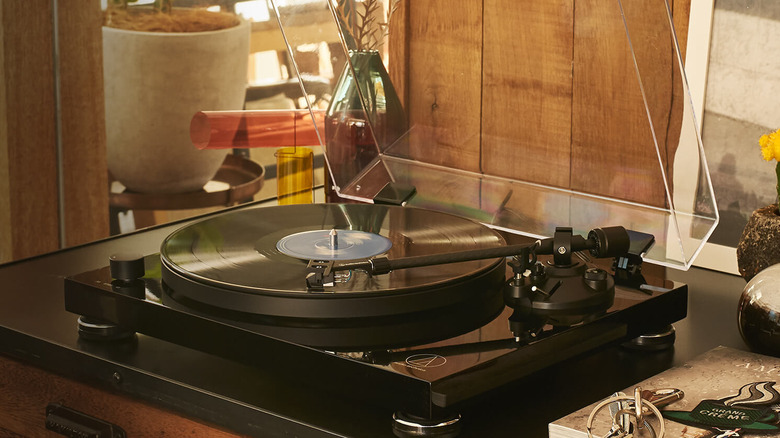
Audio-Technica strikes an interesting paradox in the turntable world. It's one of the most recommended brands for newcomers, but also criticized by experienced audiophiles. The split exists because the brand's strength lies in its affordability rather than sonic ambition. Its turntables are designed to remove points of friction for users. The built-in preamps eliminate the need for additional equipment, USB connectivity lets you digitize records without buying separate hardware, and multiple speed support makes setup and operation easy. The brand's most popular turntables sit in the AT-LP60 and AT-LP120 ranges, dominating first-time vinyl purchases. Dapper & Groomed describes the AT-LP60X as a fully automatic, "easy-to-use" turntable aimed at making vinyl accessible for beginners.
That approach, however, also explains the brand's ceiling. Among audiophiles, Audio-Technica rarely earns long-term loyalty. In discussion threads, it's sometimes described as a brand more respected for its cartridges than its turntables. Despite that, user satisfaction remains high. Most of its turntables, like the AT-LP60X, hold strong Amazon ratings, often averaging around 4.5 stars. That reputation extends to other categories, including Audio-Technica's high-quality headphones. Owners rarely regret buying an Audio-Technica turntable; they simply outgrow it as their expectations evolve. It remains a solid recommendation for beginners, especially at its cost, and suits anyone unsure whether vinyl will be a long-term hobby.
U-Turn Audio - Easy to own but often outgrown
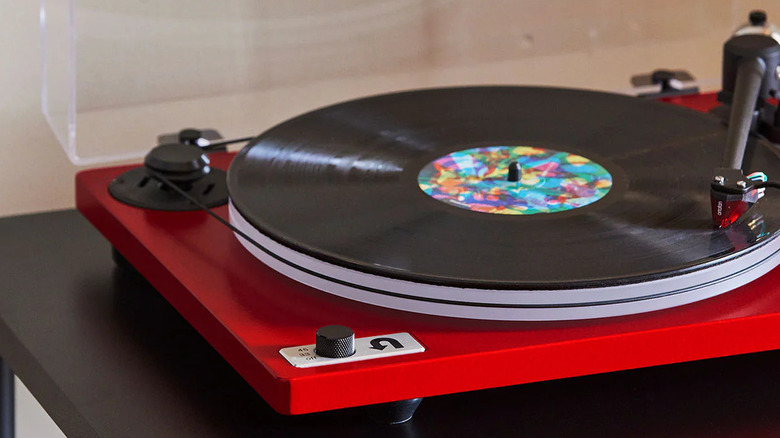
U-Turn Audio has built a brand around simplicity, aesthetics, servicing, and American manufacturing — qualities that resonate with certain buyers but leave others questioning the value proposition. The appeal is obvious when you look at an Orbit turntable: clean lines, attractive wood plinths, and color customization. U-Turn has successfully marketed itself as the choice for people who care mainly about how their turntable looks in their living space.
The criticism comes when you compare what you get for the price. Many users mention persistent grounding issues. Entry-level Orbit models lack features that competitors include as standard: no electronic speed switching, no cue lever on basic configurations, no adjustable anti-skate, no detachable headshell. TechGearLab's review captures the tension: the Orbit Plus delivers decent sound quality and looks great, but the price makes it hard to recommend when Fluance or Audio-Technica offer more features or better performance for similar or less money. However, U-Turn earns respect through the customer support it provides.
U-Turn's value proposition is highly preference-driven. If you love the aesthetic and appreciate the customization, you will probably be happy. If you are strictly optimizing for sound quality per dollar, you might choose something else. A turntable is the kind of audiophile gadget that should level up your music experience, and for users who are looking for qualities beyond pure performance this brand can deliver.
Denon - Living on past glory
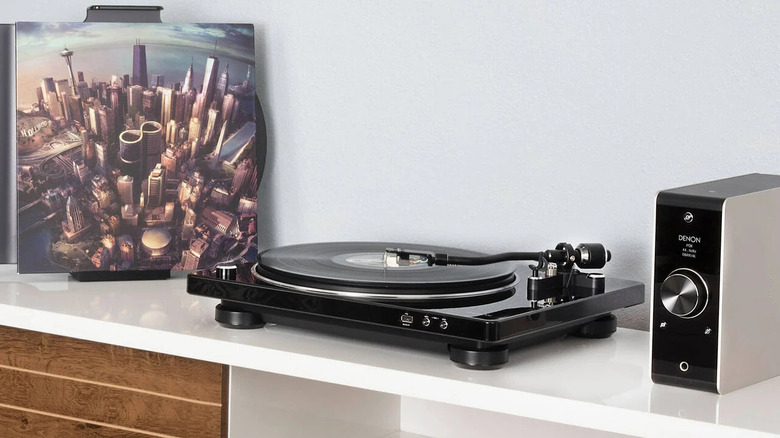
Denon's story is one of dramatic divergence between past and present. Vintage Denon turntables from the 1970s and early 1980s are highly respected and actively sought by older users. Modern Denon turntables? Not so much. The reception toward contemporary models is far more reserved. Expert users instead look to brands like Rega or Fluance. So, while the vintage second-hand Denon gear is often recommended, new models are hardly discussed or preferred.
TechRadar's review of the DP-300F shows the modern Denon dilemma. It's positioned as a great turntable because of its fully automatic operation and built-in preamp, features that make it easy to use. But the review also notes the model's average sound quality and limited advanced features, acknowledging it won't satisfy listeners seeking high-end performance. It's a contrast to the older Denons that would receive nothing but praise from owners. Outside of turntables, Denon is ranked among major Bluetooth speaker brands, however, its products in that space also come at a higher price point.
Users say that once you factor in cartridge upgrades and other improvements needed to get decent performance from modern Denon models, you have spent enough that alternatives simply make more sense. Fluance and Audio-Technica provide better bang for your buck. And vintage Technics models are clearly superior at similar prices. For buyers interested in vintage gear, Denon from the right era is absolutely worth considering. For anyone looking at new models, the vinyl community's message is clear: there are better options at every price point.
Crosley - The brand everyone warns you about
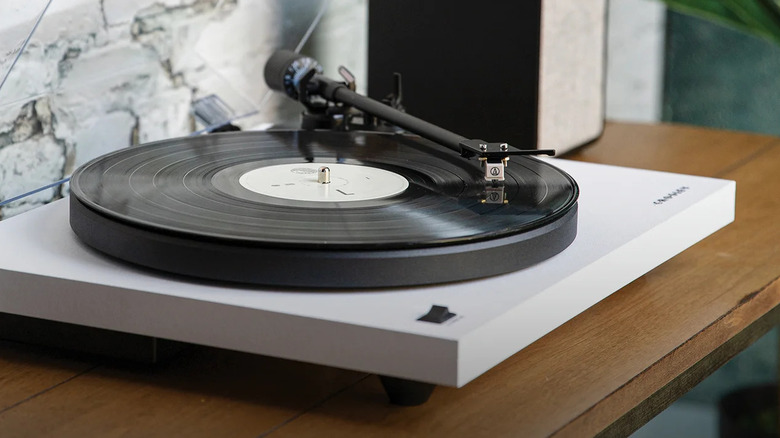
The most common type of comment around Crosley's turntables reads something like: "Whatever you do, don't buy a Crosley." Experienced listeners warn that starting your vinyl journey with a Crosley can sour the vinyl experience entirely, leaving newcomers with a skewed impression of how vinyls are supposed to sound. The issue goes beyond subjective taste. Many Crosley-style players rely on higher tracking force and lack proper tonearm geometry, which audio reviewers have noted can accelerate record wear and compress musical detail. Wirecutter, for instance, has explained that excessive tracking force, used to prevent skipping on cheaper mechanisms, comes at the cost of long-term record health. Even on Crosley's own website, some models hover around 3.5 stars.
For serious users, vinyl is often about slowing down and creating a good listening experience. That's where Crosley's design priorities start to show its limits. Inconsistent speed, audible distortion, and mechanical noise interrupt longer listening sessions, pulling attention back to the equipment instead of letting the music recede into the background. Its vintage suitcase designs attract beginners, who often end up disappointed and blame vinyl itself. The Daily Illini cautioned first time buyers to "beware" of Crosley turntables and not to purchase them solely for their "cute, retro designs."
To Crosley's credit, the company has attempted to address some of these criticisms with a handful of higher-end models. But its reputation with users is largely set. In the vinyl community, Crosley is a cautionary example. If someone wants to get into vinyl, any other brand in this ranking will serve them better.
How we ranked these turntable brands
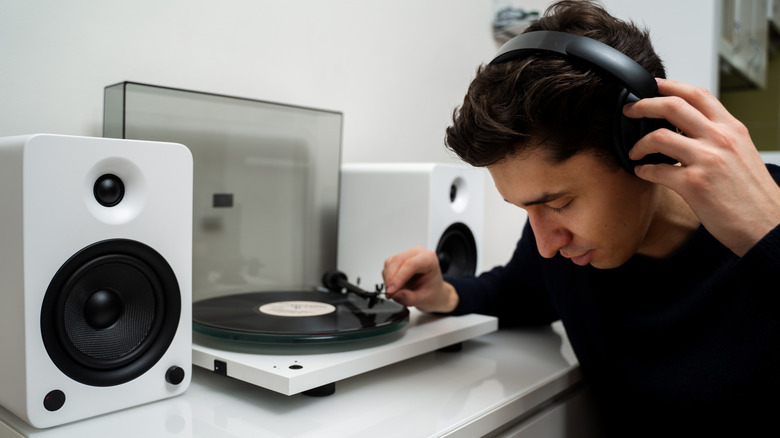
We ranked vinyl turntable brands based on long-term ownership experience and sustained reputation within the vinyl community. Our research drew from extended user discussions across vinyl forums, Reddit threads, and audiophile communities, alongside coverage from established audio publications. We looked for long-term trust: whether owners stick with a brand, upgrade around it rather than away from it, and how experienced listeners discuss it.
These rankings are meant to help readers understand which brands tend to suit different listening priorities and levels of commitment. As with other vintage tech products value is proven over time — longevity matters more than hype. That's why brands like Technics and Rega make sense despite the higher cost. Pro-Ject appeals to enthusiasts who want room to upgrade and experiment as their setup grows. Fluance fits listeners who value strong sound performance without moving into higher price tiers, while Audio-Technica works well for newcomers who want a reliable, approachable entry point. Brands that struggle fail to answer one key question: why choose this over something else?
Nevertheless, the best turntable for you isn't necessarily from the highest-ranked brand. It's the one that matches your priorities, budget, and how seriously you take this hobby. Now you know which brands have earned respect, which ride on aesthetics or convenience, and which to skip entirely.