

5 Daily Habits That Are Killing Your Laptop Battery
A laptop is simultaneously more versatile and more limited than a desktop computer. On one hand, the fact that your laptop has a battery is a clear advantage in portability. But on the other, that same battery, just like any other hardware component, is prone to degradation — and many of us have daily habits that are actually expediting this process.
Laptop batteries have evolved a lot over the years, but some things remain constant. If you want to make full use of your MacBook Air's 18-hour battery life, you'll want to avoid the habits that damage its battery. Sure, you can always replace your MacBook's battery if it ends up dying, but as they say, an ounce of prevention is worth a pound of cure. These fixes can be as simple as ensuring you don't put your laptop through extreme temperature differences, but there are several other things that you might not think would affect your battery negatively.
Keeping your laptop plugged in with a full battery
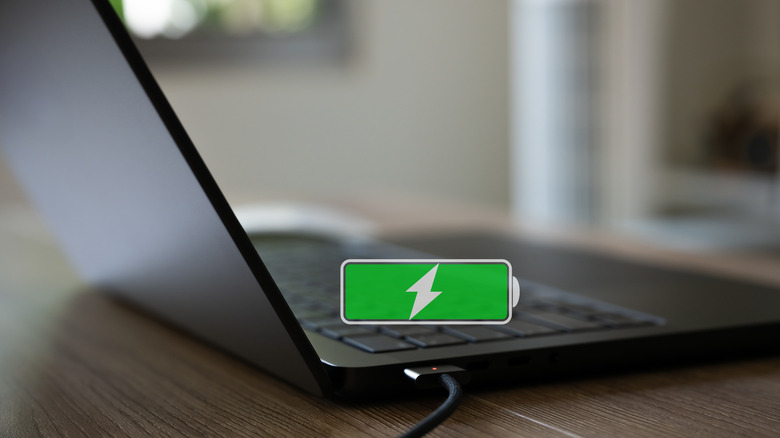
Batteries don't always stay the same size. When you're charging your laptop, the battery expands, and when you unplug, it contracts as it discharges. For the lithium-ion batteries present in laptops, this change in size is minuscule in comparison to other technologies, which is a big reason why Apple and Google aren't switching to silicon-carbon batteries. Despite its benefits, one limitation of lithium battery tech is that keeping these power cells 100% full for long periods of time can speed up the aging of the battery.
The fix for this one is simple: Remember to unplug your laptop when you're not actively charging it. It's also a good idea to not fill your battery completely each time you charge it. 80% seems to be the sweet spot where you won't have your laptop running out of juice anytime soon, but you'll still be ensuring its battery stays healthy.
There are a couple of features present in many laptops that help with this. First, some modern laptops stop charging once the battery reaches a set limit. This feature exists to prevent the aforementioned issues with the battery aging prematurely. Additionally, certain laptops come with a feature called bypass charging. As the name suggests, this bypasses the current flowing into the battery when you're using your laptop while it's plugged in. Instead, it directly powers up your laptop the same way it would a PC, helping to reduce the number of battery cycles.
Constantly letting your laptop die
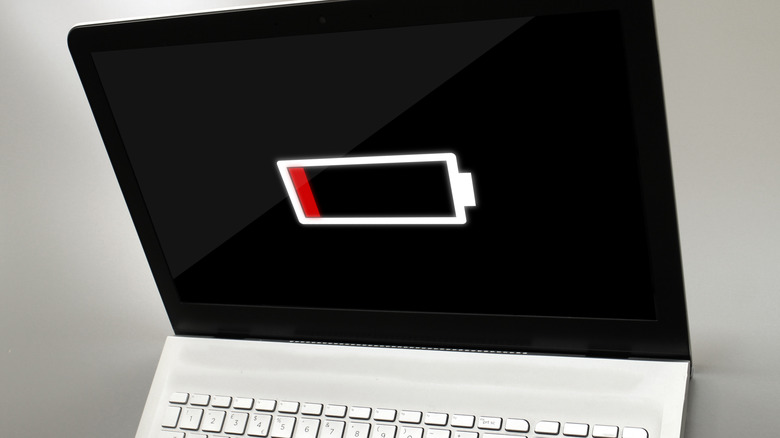
If you're the type of person who constantly wants to make the most of their laptop battery, or if you often find yourself on the go without a charger, you might think it's normal to use up 100% of your laptop's battery and that there's no harm in letting it die. However, in the same way you shouldn't overcharge your laptop, you should also be careful about not letting it deplete all the way to 0% too often, as doing so degrades the battery over time.
A similar habit that might be destroying the battery of a spare laptop is leaving it uncharged for days or months at a time. If you leave a lithium-ion battery uncharged for too long, it starts discharging passively. Once that happens, a passivation layer can build up on the battery's electrodes, reducing capacity and energy output. The next time you use it, you may find a battery that either doesn't perform as well as it should, or one that just refuses to work entirely.
Using non-certified chargers and cables
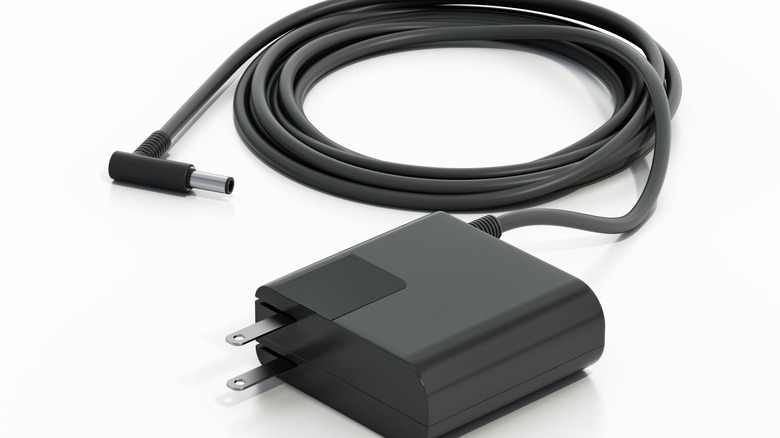
Batteries are clusters of energy, and a lot can go wrong with them if treated the wrong way. This is why there are standards like USB Power Delivery (USB-PD) and the "USB-IF certified" logo you'll see on some chargers. Accessories that have been certified to meet these standards have to follow strict rules on how much voltage they can deliver in order to reduce the risk to your battery. Major manufacturers usually adhere to these standards, but if you're using a cheap, unnamed bargain-bin cable, the overseas supplier might not put the same attention on safety as the OEM charger that comes with your device.
Even if they're cheap and seem to do the job well enough, it's a good practice to avoid chargers that aren't backed by a reputable brand and ones that don't clearly state the current they're supplying to your device. This applies mostly to charging adapters, but even charging cables can cause issues if they don't adhere to standards. It's best to only use the original charger that came with your laptop or one from the same manufacturer, but if you need to get a third-party charger, ensure it's from a company with a reputation for adhering to standards.
Blocking airflow

Ironically enough, you shouldn't use your laptop on your lap — or really on any soft, irregularly shaped surface, as putting your laptop in such a place can block its air vents. This stops the laptop from properly dispersing heat, which can cause it to build up inside, leading to your laptop overheating.
This is one of the most common mistakes people make in regard to their laptop's battery life, as overheating can affect your battery just like it affects any other internal component. Batteries aren't made to withstand extreme temperatures, so if you regularly use your laptop on your bed, you're more likely to experience a drop in performance, components wearing out sooner than expected, and deteriorating battery life.
Thankfully, this issue is relatively straightforward to fix: Try to limit using your laptop on soft surfaces. If you can't, that's a good reason to be using a laptop cooling pad. This is also not as big of a deal with recent MacBook Air models due to them not having any fans, so if you're a macOS user, you might not have to worry about this as much.
Neglecting software updates
Ignoring updates is a mistake many of us make, yet it's a major contributing factor to damaged laptop batteries. These updates might seem like features that no one asked for or changes that simply aren't needed, but often, they also include important optimization and security updates necessary to keep your device — whether it's your phone, your smart TV, or your laptop — running efficiently.
Keeping your laptop up-to-date generally means it can give you the best battery life. In addition to system optimizations, third-party app developers tend to keep pace with these updates. So if you're running an older operating system version, programs that were developed with the updated OS in mind may not run as efficiently on your laptop hardware, leading to more strain being put on components like the battery. We recommend keeping automatic updates enabled so you don't run into this issue, or at least checking for updates on a semi-regular basis.