

8 Cheap Phone Accessories You Shouldn't Waste Money On
Phones aren't standalone products anymore. When you buy a new phone, there are certain accessories that you immediately think of buying alongside it. You already get some things with most phones — a charger and a USB cable to connect it to — but there are also a number of secondary accessories that people deem necessary. These include phone cases to protect the phone from external damage, screen protectors so the screen doesn't get scratched, and for iPhone users, many Apple MagSafe accessories that make daily life easy.
Not all accessories are made equal, however, and being on a budget means you're not getting the highest quality on the market. Still, even if they're just a couple tens of dollars, there are some budget phone accessories that we don't recommend getting. These include items that don't do what they're supposed to at best, and those that actively harm your phone at worst.
Additionally, there are also phone accessories that you shouldn't skimp out on just because you can get them for cheap. In these cases, spending double or even triple on a higher-quality version can save you a lot of frustration, time lost to finding fixes, and even money when the cheaper accessory needs a replacement sooner than expected.
1. EMF radiation blocking stickers, phone cases, and more
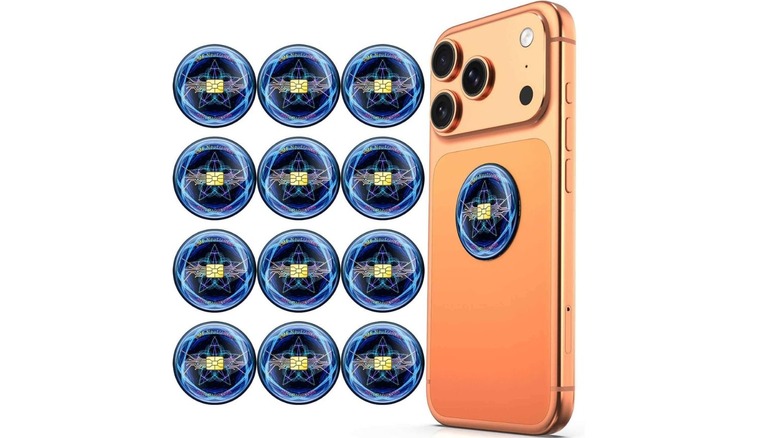
Your phone emits electromagnetic radiation whenever it uses Wi-Fi or Bluetooth. This radiation, according to some, can have dangerous effects on your health and should be avoided. As far as present-day science is concerned, there's no direct evidence that EMF (electromagnetic field) radiation, the radiation that comes off of your phone, Wi-Fi router, or Bluetooth earphones, carries any significant risks. There are studies that show that there might be a link between smartphone exposure and cancer, but there are just as many studies showing the opposite.
This is because the radiation differs from what most people imagine when they hear the word radiation. There's the ionizing radiation that includes UV rays — radiation with a higher frequency than visible light — that can affect your DNA and lead to cancer. The EMF emitted from phones, however, is of a lower frequency than visible light — non-ionizing radiation — and as such carries less energy than a lightbulb. This can still be harmful if concentrated enough, but any product safe for consumer use has to meet guidelines that govern their emitted radiation to be well below what can be a potential risk.
Even without sufficient evidence, though, you may still want to protect yourself just in case. Unfortunately, most radiation blockers or anti-radiation phone cases and stickers available on the market don't do that either. We tested a number of anti-radiation stickers, phone cases, and other miscellaneous items, and a majority of them didn't affect the registered EMF radiation whatsoever. This makes sense, as any product that blocks this radiation would make your phone unable to catch signals. If you really want to avoid EMF, putting your phone on airplane mode is a better alternative to spending money on something that most likely won't work.
2. Uncertified chargers
You get a charger when you first buy your phone, and it seems to do the job well enough. If you ever need to replace it, though, your phone's charger is one of the accessories where you should never skimp. Batteries are convenient, but they're also very dangerous. They're bricks of concentrated energy that need to be charged properly. To ensure this is so, there are safety guidelines in place so that each charger only supplies your phone with a balanced voltage. Any good charger has to manage the heat it produces, regulate its voltage, and ensure the correct amount passes through to your phone consistently and without highs or lows. A good way to know if a charger follows these guidelines is if the charger is MFi-certified for iPhones, is USB-IF-certified for Android phones, and follows the Qi2 standard for wireless chargers.
These guidelines are why your phone doesn't explode when you're charging it. However, if you decide to buy a cheap charger from an unnamed manufacturer, there's no proof of it following said guidelines. Your phone still won't suddenly cause a fire, but its battery health can significantly worsen over time, alongside potentially being charged slower than its capacity.
Even if you have the charger provided alongside your phone, there are still some benefits to getting a good third-party charger, such as a charger from Anker. The main one is the size, as a number of modern chargers are extremely compact compared to the larger bricks that are the norm for chargers that come with your phone. This is even more important if you're buying a phone that isn't available in the U.S. market, as such company-made chargers can also be unfit for safety guidelines.
3. Cheap bargain-bin charging cables
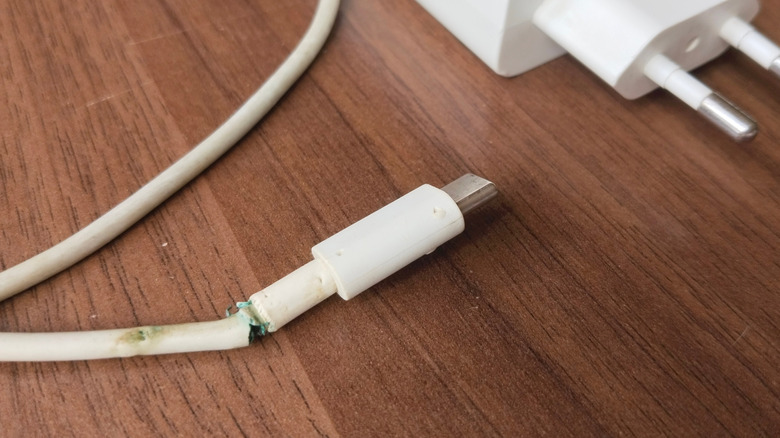
We've discussed how an uncertified charger might damage your phone's battery and interfere with charging. A charging cable from an unknown source can lead to the same problems. It's not as dangerous as getting a charger that can output irregular voltages, but a cheap cable can often struggle to transmit the electric signal from the charger properly to your phone. This can lead to slower charging and, if it regularly outputs the charge with irregular variations, can damage your phone battery too.
On the more tame side of things, even if you ignore the risk of electrical mismanagement, a bad charging cable won't fit inside your phone properly, and regularly putting it in and taking it out might damage your ports. Additionally, the outer surface can peel more easily, and the cable itself is less likely to last as long. Saving a couple bucks on your cable might lead to many more problems well beyond what you've saved.
This doesn't mean that you need a premium cable, though. There are many cables that offer something that you simply don't need, and just like you shouldn't get a cheap charging cable for your phone, we also don't recommend spending a large amount on one. Just make sure whatever cable you're buying is from a reputable place, and your phone will be okay.
4. Phone camera lens protectors
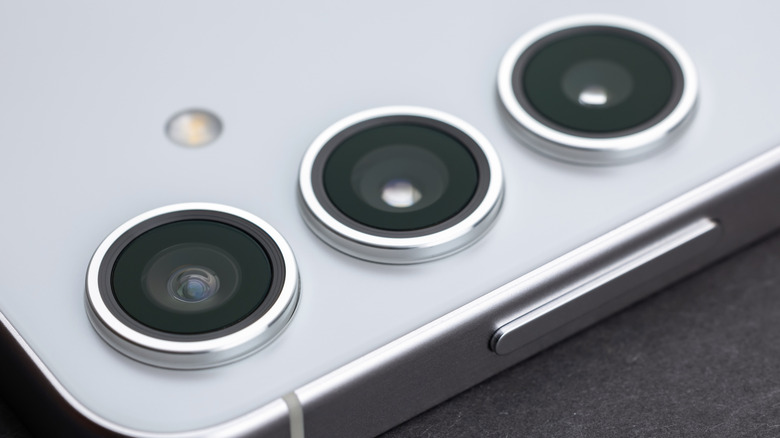
Phones are fragile. If you break any part of your latest iPhone or Samsung Galaxy S26, any repair is going to cost a lot. There's also the risk of being forced to replace your phone entirely if a component breaks and you can't replace it. This is why most people recommend getting a durable phone case and a good screen protector. However, if you need to protect the glass on the front of your screen, should you not be protecting your camera lenses as well?
In almost all circumstances, no. Your phone's camera lenses already have a protective layer that's quite strong and can withstand both blunt forces from when you drop it, and also scratches from putting your phone in your pocket alongside keys. In many cases, this protective layer is stronger than what most lens protectors would be. In the case of high-end smartphones like the iPhones, this layer is made of sapphire, which is extremely resistant to both blunt trauma and scratches.
Even if you want extra protection, there are still reasons that should make you stay away from getting a lens protector. First is the immediate degradation in camera quality, as any extra layer reduces the light touching your camera. Furthermore, most phone cameras are tuned a certain way, and adding a piece of glass that isn't accounted for can mess that tuning ever so slightly. The difference in quality isn't huge, but it's certainly one most people would want to avoid.
5. Non-Qi2 wireless chargers
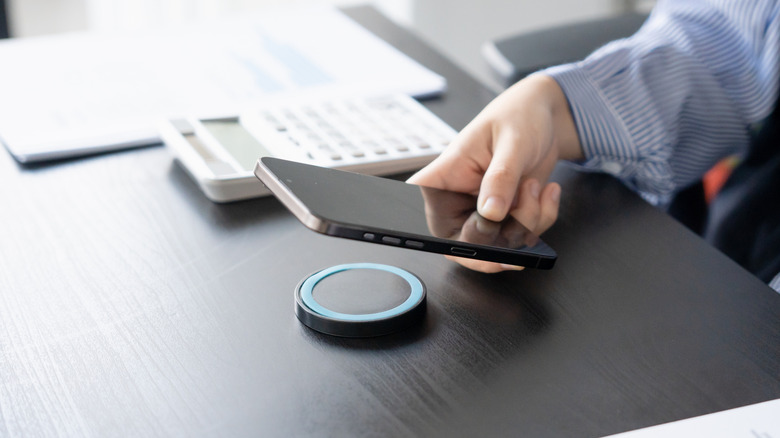
Wireless charging is one of the most convenient advancements in phone technology in recent years. However, it's also one of the most inefficient ways of charging your phone. Traditional charging directly connects your phone to the incoming charge through the wire, so the battery gets the voltage directly. With wireless charging, the charging pad syncs with an internal component inside your phone to create an electromagnetic field, which, in turn, charges your battery.
This does the job but is very inefficient in terms of power. This is bad for the environment and for your power bills, but this is also a potential danger to your phone itself. When we say something is inefficient, it means part of it's getting lost some other place in conversion. For wireless charging, this means part of the energy is being turned into heat, and heat doesn't have the friendliest of relations with your phone. A phone that's constantly overheating will have its battery health degrade over time, if not worse.
Fortunately, most MagSafe and Qi2 chargers somewhat improve on this. There's still heat being produced, but it's at least controlled. If you have a third-party charger — especially one that promises super-fast charging — there's a chance that it'll heat your phone up much more than what a safe option should. Additionally, while most Qi2-certified chargers are much safer, they still produce heat. If you want to avoid this, there are chargers that come with built-in cooling, and we recommend those for people who regularly charge their phones wirelessly.
6. Phone cooling fans
Any device running on electricity creates heat, and your phone is no different. In normal use, this heat isn't too much, and your device is made to disperse it properly, meaning casual browsing won't lead to your phone heating up. However, if you're someone who games on your phone intensively, uses apps that require a lot of processing power, or just keeps your phone running for long periods of time, you might be looking for ways to cool an overheated phone.
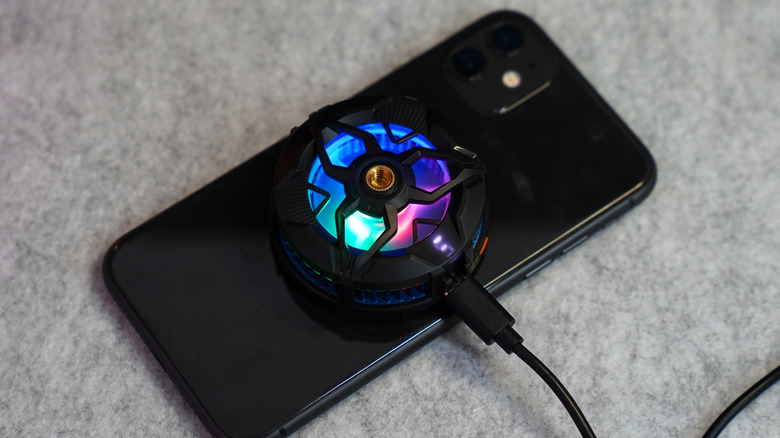
Fortunately, there are handy gadgets that exist to solve this very issue in the form of phone coolers. Unfortunately, they're usually not very good. These phone coolers are made specifically for gamers who want to run graphics-intensive games like Genshin Impact at high frame rates. Running these games normally results in your phone heating up and throttling performance — dimming the brightness and reducing your game's FPS. As such, the main purpose of these controllers is to cool your phone and to increase performance.
The cheapest phone coolers simply consist of a fan that you attach to your phone's back. This, as expected, doesn't do much at all. It takes a lot to cool a phone's internal components, and your phone's back has protective layers that aren't very conductive. Even if you cool your phone's back a couple of degrees — the extent of most cheap phone coolers — it likely won't result in a huge difference in performance or temperature. As for more premium options, the effectiveness differs case by case. There are users online who are certain that coolers that use heatsinks and thermal pads provide a significant improvement in performance, but other tests show that any improvement is minimal, if there is any.
7. Power banks
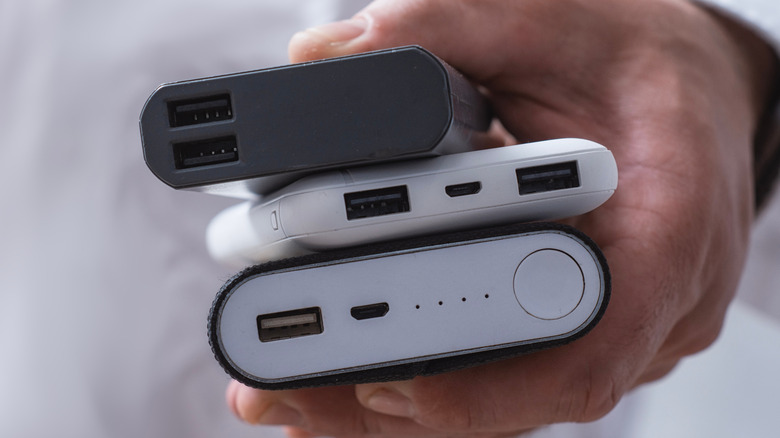
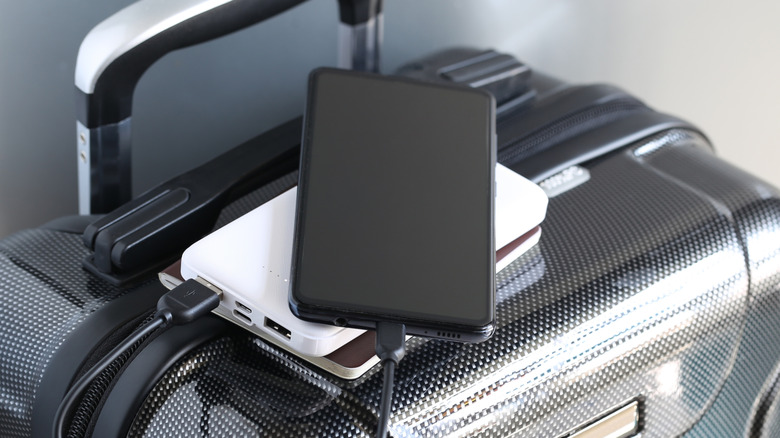
If you've noticed a trend in many of these phone accessories you shouldn't be stingy with, you'd be right. Just like with your charging brick and your cable, a power bank has many risks involved that are mitigated by proper guidelines that might not be present in cheap, unnamed brands. This risk is perhaps even more emphasized in power banks, as they're often used while you're holding them and aren't just stuck stationary in a wall socket.
Basically, if any accessory interacts with your phone's battery — either directly or indirectly — it's best you pay a bit more for it instead of saving money once and then running into problems that will require you to spend much more later down the line. For a good power bank, look for the same certifications you would on a charger — MFi, USB-IF, or Qi2 — and buy from a reputable seller. As long as you're careful about these, any battery brick you get should be safe to use for extended periods of time.
8. Flimsy phone mounts and holders
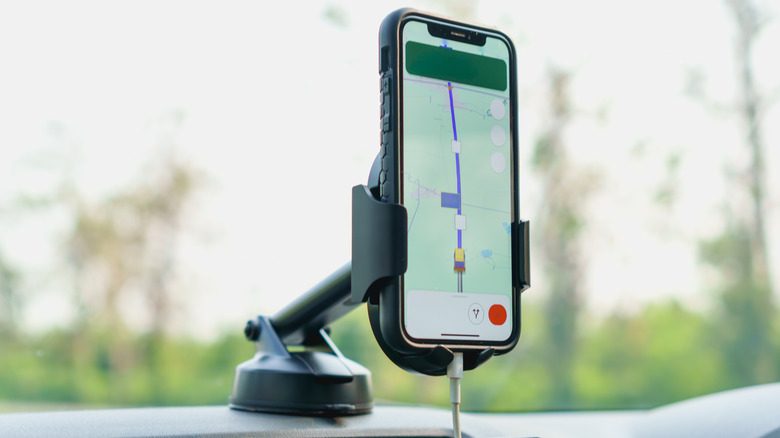
It's difficult to be apart from your phone nowadays. You certainly shouldn't be using your phone while driving, but there are times when you still need features like navigation. In such cases, one of the best gadgets for those who travel daily is a good phone mount for your car or motorbike. The keyword in that sentence is "good," though, as a cheap, flimsy phone mount can result in your phone having a cracked screen as it lands on your car's floor — or a phone that's completely destroyed if it falls off from a speeding motorbike's mount. What should've saved you twenty or so bucks has put you multiple hundreds in loss as you find yourself a new phone.
A phone mount is one of the places where you shouldn't be stingy. The more reputable a manufacturer, the less likely its phone mount is going to fail you. As a general rule, MagSafe mounts are less reliable than ones with clamps. For phone mounts to be used on motorbikes — or generally in any vehicle that might experience a lot of irregular roads and vibrations — we recommend getting one with a vibration dampener. Online users recommend a Quadlock phone mount for this.
It's also important to note that while most top-end phone mounts aren't likely to fail, there's always the chance that they do. As such, even after checking reviews and doing thorough research, you should check your mount's security yourself in a stationary vehicle before you take it for a ride. Additionally, it's often also a good idea to get a mount with active cooling, as depending on where you live, phones can get quite hot inside your car.
How we chose which phone accessories aren't worth your money
To compile this list of cheap phone accessories that you should avoid, we first added accessories that most people simply don't need — either they provide something that's useless to most users, produce results that are minimal, or perform as advertised, but not at lower price points. Then, we also added phone accessories that can be hazardous to your phone if bought cheap, and ones that you're better off splurging a little more on.
For the first kind of products, we simply looked through what they advertised and then compared this to the results to see if there was any benefit to them. For the second kind, we dug through research, user testimonies, and independent tests to see if there's any evidence to back the risks that they might pose, and if said risks are mitigated by getting a higher-quality alternative.