

5 Devices You Should Never Put Rechargeable Batteries In
We may receive a commission on purchases made from links.
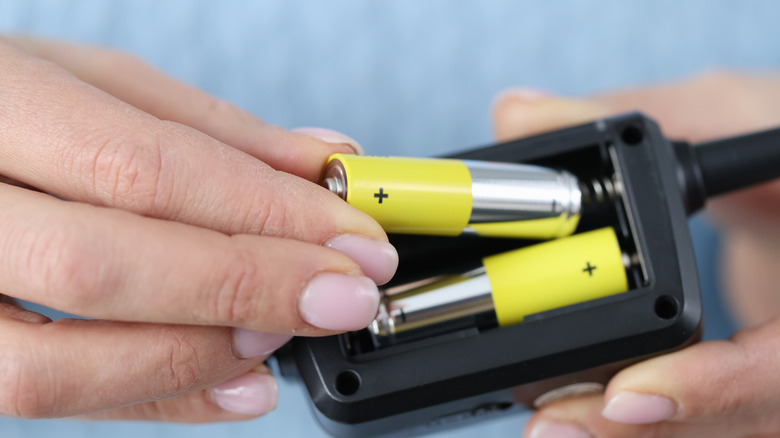
Rechargeable batteries are popular, and for good reason: they are more powerful, economical in the long run, and easier on the environment. However, there are household devices that still need those good old disposable batteries. Using rechargeable batteries with these isn't just counterproductive but may also affect device functionality and lifespan. There are two main reasons for that. First, and most important, rechargeable batteries have a higher self-discharge rate. This means, even when not in use, the battery will steadily discharge and run out of power sooner than single-use batteries.
The discharge rate largely depends on the chemical composition inside the battery. For instance, NiMH (Nickel-Metal-Hydride) rechargeable batteries have a higher self-discharge rate than NiCD (Nickel-Cadmium) counterparts. Second, commonly available rechargeable batteries have a lower voltage rating of 1.2V compared to single-use alkaline batteries that can deliver 1.5V. So, many devices that require a 1.5V supply may either malfunction or fail to work with rechargeable batteries. Now that you know the common limitations of rechargeable batteries, it's time to find out devices for which they are generally not a good fit.
Smoke and security alarm systems
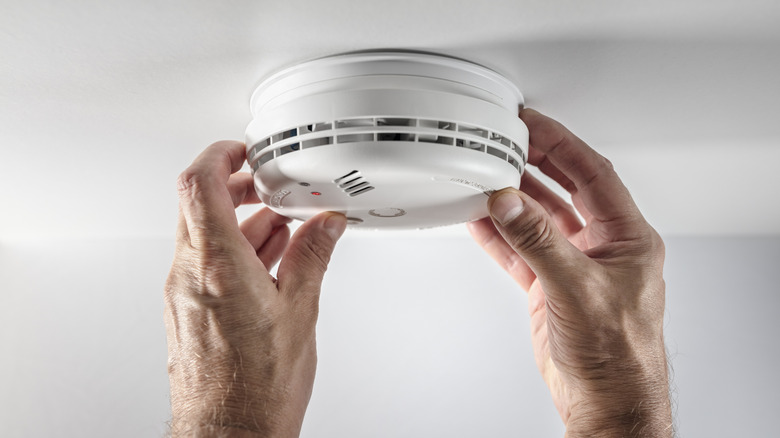
The security and smoke alarm systems inside your house are critical even if they don't include one of the best models on the market. They run for months without coming into use, but when the need arises, you expect them to work. Rechargeable batteries, due to their high self-discharge rate, are a poor choice for these devices. If you use rechargeable batteries in alarm systems, they may lose power after a few months, much sooner than with disposable batteries. As well, these are low-energy devices, making single-use alkaline batteries a more practical choice.
Rechargeable batteries, on the other hand, are more suited for devices that you will be recharging frequently, such as your Xbox game controller. Keep in mind that for devices like smoke alarms and security systems, it's best to refer to the product's user manual before picking a battery. Some models even ship with built-in lithium batteries that can last for up to a decade.
Wall clocks

Wall clocks don't need rechargeable batteries because they consume little power, something an alkaline battery can easily handle. As well, wall clocks are often hung at a height, making access slightly challenging. For that reason, you would naturally want to go with the option that runs longer, not the one that loses power in a few months. With rechargeable batteries, you'd have to charge them more frequently, which means you'd have to reach out to your ladder sooner than you would want to.
Then there's the cost factor. Rechargeable batteries, despite being more expensive, are often a more cost-effective option because they can be recharged hundreds of times. However, that is only the case if they are recharged frequently — say once every month or so, not once every two years. With the latter, it will take much longer to recover the higher upfront cost. As such, you are better off using non-rechargeable, single-use alkaline batteries in wall clocks from a practical and cost standpoint.
TV and AC remote controls

Remote controls for TVs, ACs, and similar devices use very little power. Most of the time, the remote is not even in use, sitting in a corner of the house. If we were to use rechargeable batteries here, they would lose charge over time, irrespective of how frequently the remote control is used. Additionally, remote controls may show incorrect charge levels with rechargeable batteries, since they detect battery health based on voltage curves. Rechargeable batteries operate at a lower voltage level, while some remote controls are calibrated for alkaline batteries.
Apart from that, the cost factor applies here, too, making rechargeable batteries an impractical option for most. If a device runs for six months to a year without needing battery replacement, you should use non-rechargeable batteries. Why? Because the inconvenience of regularly recharging the battery far outweighs the little cost savings you may see in the long run.
Backup emergency lights and flashlights

Backup or emergency lights are another set of devices that don't benefit from rechargeable batteries. These are usually used once or twice a year, and you expect them to work instantly. Rechargeable batteries have a high self-discharge rate and experience a faster voltage drop, making them unreliable for backup lights. With alkaline batteries, the voltage drop is gradual. Even at low charge levels, they can still power up emergency lights, including some of the best flashlights available on Amazon.
For anything that sits idle for weeks or months, single-use alkaline batteries are a better choice over rechargeable batteries. With the former, the emergency light or flashlight will gradually dim as the battery level falls, but with rechargeable batteries, they may suddenly turn off when needed due to the steeper voltage drop. Keep in mind that some emergency lights ship with built-in rechargeable batteries, in which case you can continue using them, as that's what the manufacturer recommends.
Older voltage-sensitive devices

Most older battery-powered devices were designed for non-rechargeable, single-use batteries. This includes a wide array of electronic toys, like RC cars and their controllers, and even some camera models. In simple terms, they need the 1.5V output of alkaline batteries as opposed to the 1.2V of rechargeable ones. With the latter, the device may malfunction or not turn on at all. It's best to check the product's manual for the recommended battery type. If the manufacturer recommends alkaline, switching to rechargeable batteries may not be a smart choice.
With that said, there are some rechargeable batteries designed specifically for older electronics, such as Paleblue's rechargeable USB-C batteries. These batteries feature a stable 1.5V output and are designed to be used in devices that would ordinarily require disposable alkaline batteries. By switching to rechargeable batteries designed for older electronics, you'll ultimately save money and reduce waste, assuming you use the device frequently enough to justify the upfront cost.