

5 Things To Avoid When Charging Your Electric Car's Battery
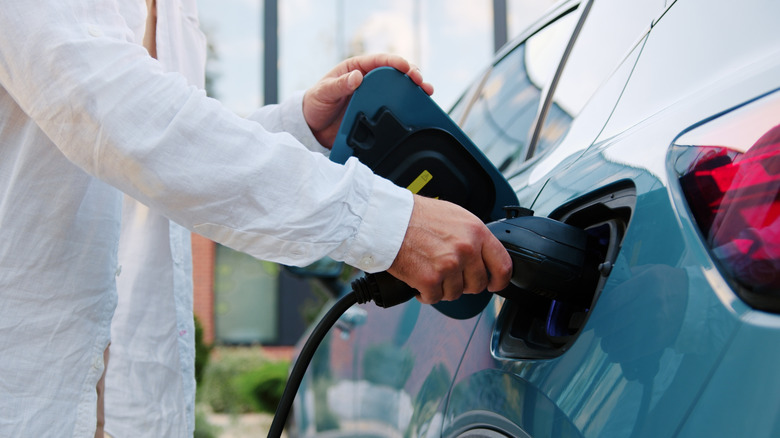
The quirks and rules of EV battery charging are among the first things that every new owner should learn after buying an electric car. While the idea that it's cheaper to drive an EV than a gas car is exciting, there are limits to how, when, and where you can charge your EV safely. Unlike simply filling a gas tank, charging is directly tied to the car's electrical systems, which means that some habits can have an impact on the battery health and software management of your new electric vehicle.
The good news is that modern EV charging technology is safe, with many protections built into your car and the charger that are designed to prevent major problems. But that doesn't mean you can just plug in without a care in the world, since there are mistakes you might make without even realizing it. For example, one of the most overlooked problems happens inside the cabin itself when drivers try to turn on the EV while it's still plugged in.
It's important to know the habits that might be damaging your EV and to break them before you end up having to spend a fortune on repairs. On the bright side, some of the most common mistakes that owners make when charging their EVs are not very hard to avoid. By following some simple rules, such as not using a cable in bad weather conditions or avoiding certain things when the car is plugged in, you'll be helping your car last as long as it possibly can.
1. Using damaged cables or uncertified EV chargers
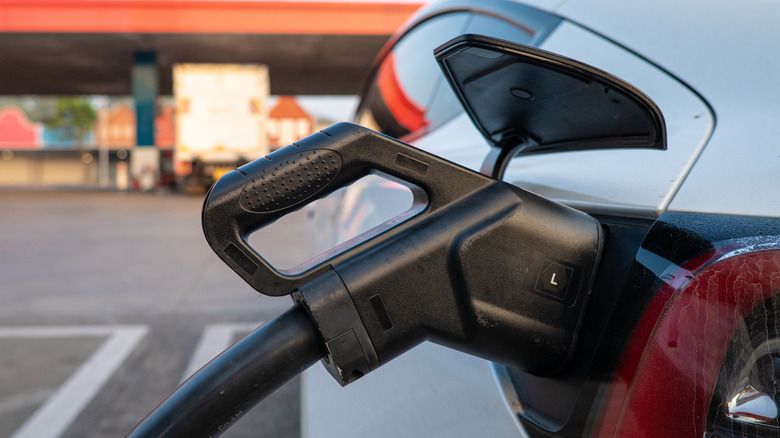
Just like how it's important to use a good-quality charger with your phone, the same logic is also true for an EV, only with much higher stakes. It might seem harmless to keep using a charger with small cracks or cuts on the cable's jacketing, or to buy a cheaper option online in order to save some money. But EV charging equipment handles far more electricity than everyday devices, so it's essential that the equipment you're using doesn't have poor construction or minor damages.
It's also important to know that the dangers of damaged or poorly-made chargers can go well beyond slower charging speeds and minor inconveniences. Certified EV chargers come with safeguards to monitor temperature, detect faults, and even cut power when something goes wrong. These safety measures protect the car's battery from being damaged while charging, and notoriously bad EV chargers may lack these protections entirely. On the other hand, using a damaged cable can expose you and those around you to the dangers of electrical shock or fire.
The best approach is to treat your electric vehicle's charging gear as a priority and avoid using damaged or questionable equipment at all costs. So before plugging any charger into your car, look for cracks, exposed wires, and other signs that you should change the cable immediately. Paying for a certified option may cost more, but it's far cheaper than dealing with damage to your vehicle or putting your own life at risk.
2. Relying exclusively on DC fast charging stations
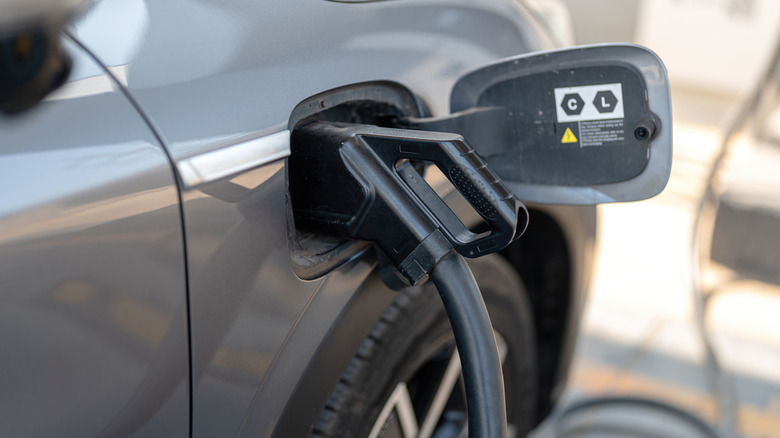
DC fast chargers look like a dream on paper since they offer the convenience of restoring most of your vehicle's battery life in under an hour, making them incredibly useful for those who don't want to wait through a full charging cycle. That enticing speed is exactly why many new owners fall into the habit of relying on fast chargers for every charge. However, overusing fast charging can bring about some consequences in the long term.
The major issue with constant DC fast charging is the heat that is generated while charging. Pushing such large amounts of energy into the battery has the byproduct of generating more heat than traditional charging, and over time, that can wear down internal components and reduce the battery's ability to hold a charge. Research done by Geotab, for example, shows that EVs that relied heavily on fast charging above 100 kW lost about 3% of their capacity to hold a charge each year, which is about twice as fast as vehicles that use slower chargers.
This doesn't mean that fast chargers are always a bad choice. It's okay to use them sparingly, like while you're getting ready for a trip or when you need to get out on the road in a hurry. But for most daily needs, the best way to preserve the battery health of your vehicle is to use a Level 1 or 2 charger, since these slower options deliver energy at a pace that puts less stress on the power cells.
3. Starting your EV while the battery is charging

Many new EV owners may instinctively press the start button after getting into their car, even when it is plugged into a charger. However, fully starting an EV while it is charging can influence the vehicle's power management and even disrupt power. So if your car is charging and you try to start it to use air conditioning or access other features, this can cause some issues, especially because it changes how the EV handles power.
Since most modern EVs have some safety measurements that prevent the car from driving away while it's plugged in, this might not sound like a serious problem. However, attempting a full startup during a charging session can cause some vehicles to pause, slow, or stop charging altogether, triggering a warning message like "Unplug vehicle to start" on even the most reliable electric vehicles.
If you need to stay inside your EV while it charges, there is usually a safer alternative that won't set off any warning messages. Many automakers include dedicated utility features, such as Camp Mode or similar settings, that let you access climate control, music, and other features without fully starting the vehicle. Simply put, these modes can help avoid unnecessary strain on your EV battery while still letting you use essential functions inside the cabin.
4. Letting your EV battery drop to zero before charging
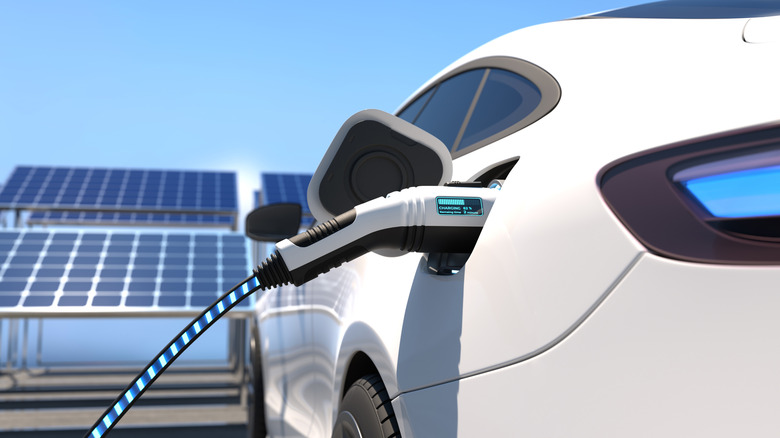
If you've ever owned an old phone or laptop, you've probably heard the urban legend that to preserve the battery, it's better to drain the device completely before charging. When applied to electric vehicles, that's one of many annoying EV myths that refuse to die. It came about mainly because nickel-cadmium cells were common in electronics decades ago, but EVs work differently. Like newer electronics, EVs come equipped with lithium-ion batteries — so if you're still holding onto that habit, you might be slowly hurting your car's health.
That's why letting your EV drain completely is one of the worst things you can do for your car's long-term battery health. When a lithium battery is fully depleted, some chemical reactions happen inside the cells — like a structural breakdown in the cathode — that permanently reduce battery health. Research indicates that because of these chemical reactions, a battery that was solely charged after being depleted to 0% might only last through a third of the total charging cycles when compared to a battery that was charged before it fully depleted.
The ideal approach is to follow the 20% to 80% rule to help your battery last longer, keeping your car within that range as much as possible. Plug in the charger when you're getting close to 20% (don't wait for the low battery warning) and set a maximum of 80% in your vehicle's app — especially for everyday driving. Only go up to 100% when you're heading out on a long trip to keep your car's battery in good health.
5. Being careless with unplugged charging cables
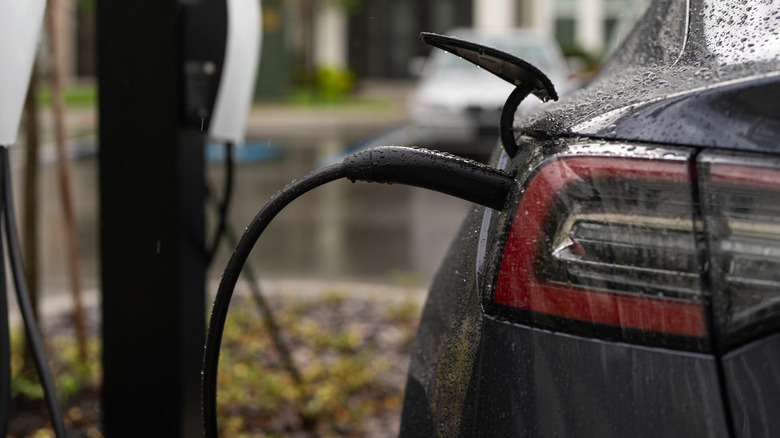
Even with the safest EVs you can buy, there are still a few things you can do to make the charging process safer — especially when you're away from home. For example, stretching a cable as far as it can go is rarely a good idea. Similarly, leaving the charging cable on the ground after you're done might seem like a small thing, but it can actually turn into a problem.
For instance, a cable stretched across a parking area can become a tripping hazard for pedestrians, and in some areas, an EV owner can be legally liable for injuries that occur as a result. Furthermore, leaving the connector on the ground makes it susceptible to things that can damage the pins and hinder charging, such as dirt and rain.
So, it's important to park your car close enough to the charger that the cable doesn't get stretched when plugged in. And after charging, you should make a habit of putting the connector back in its holder so that it stays off the ground and the next person can access it easily. Lastly, even if you're charging in your own home, it's still important to make sure that you don't block anyone's path or create a tripping hazard for passersby.