

5 New Devices CBP Can Search When Entering The US
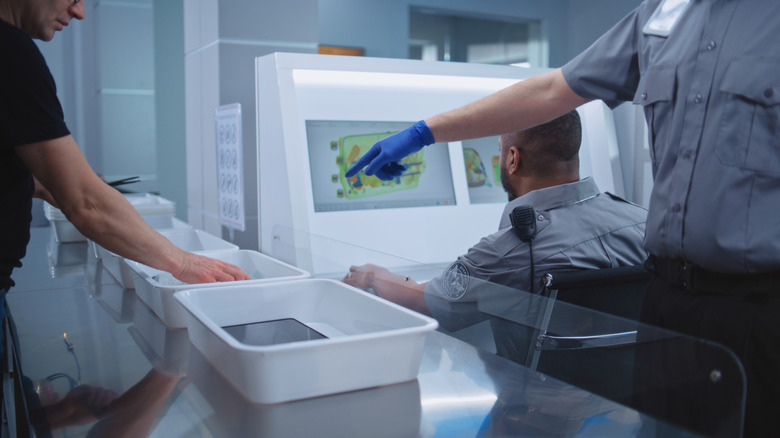
Travelers coming to the United States should know that U.S. Customs and Border Protection (CBP) can search an increasing number of electronic devices under a new directive (3340-049B) that was released in early January. According to the directive, an electronic device is "any device that may contain information in an electronic or digital form, such as computers, tablets, disks, drives, tapes, flash drives, SIM cards, global positioning systems, unmanned aircraft systems, vehicle infotainment systems, smart watches, mobile phones, and other communication devices, cameras, music, and other media players." The previous version (directive 3340-049A) only mentioned "computers, tablets, disks, drives, tapes, mobile phones, and other communication devices, cameras, music, and other media players."
Directive 3340-049B adds several items travelers may carry into the U.S., including flash drives, SIM cards, smartwatches, vehicle infotainment systems, GPS devices, and drones. These are gadgets that may contain additional personal data compared to what's available on the electronic devices the CBP could already search under the 2018 regulations. Importantly, smartphone access was available to CBP officers under that directive and remains unchanged. That's a key distinction, considering that a smartphone is the most important computing device a person may use, likely housing more personal data than other electronic devices.
Also notable is a CBP trend that recent reports have highlighted. According to The National Post, U.S. border agents are conducting more electronic device searches at the border. In a 12-month period spanning 2024 and 2025, the CBP performed 55,318 searches, up 17% from the previous year (47,047). In the 2022-2023 period, the CBP performed 41,767 device searches. Overall, the CBP searched the devices belonging to 0.01% of international travelers. The 2024-2025 figures also include searches for 13,590 Americans, a 56% increase over the previous year.
Flash drives
CBP officers can perform two types of searches of electronic devices. "A basic search may include documenting information observed on the device during the search that relates to immigration, customs, or other law enforcement actions in CBP systems," the January 2026 directive says. The document also notes that CBP agents may connect electronic equipment to a CBP computer for the purpose of making the contents of the device available for inspection under a basic search. During this process, the CBP computer may be used to bypass passwords and encryption, translate content, and view files on devices without built-in displays. An advanced search is a more thorough search where CBP officials may use their own equipment to connect to an electronic device to analyze the content on it and copy it.
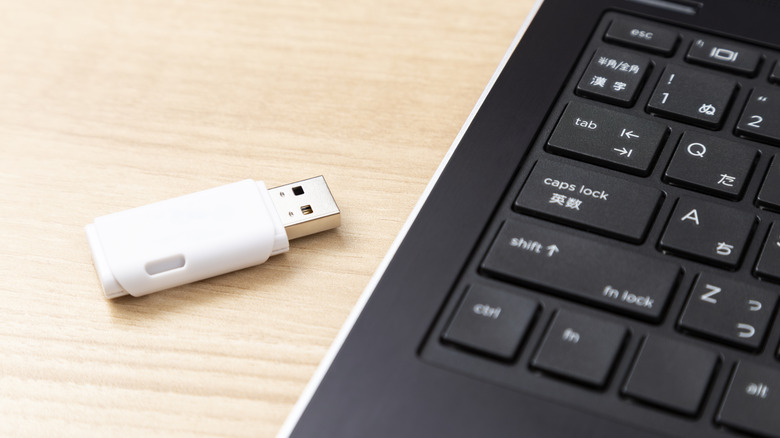
Flash drives, the type of portable storage devices you may carry in your bag or pocket to store documents and photos, also qualify for CBP searches at the border under the new directive. They may be searched by agents following the procedures outlined above. The inclusion of USB flash drives in the new directive is notable, as these gadgets may contain sensitive files, including personal and work-related documents, photos, and videos. Flash drives may not be as important as smartphones and tablets, but they can still hold key files that passengers may have to make available to CBP searches.
Other external storage devices were already included in the CBP's January 2018 directive, including disks and drives. That means portable HDD and SSD units can also be inspected under the CBP's directives just as easily as the newly-added flash drives. In fact, some SSD devices may already look like flash drives, which may explain the inclusion of these flash storage gadgets in the updated list.
SIM cards
The document also notes that CBP officers can conduct basic searches "with or without suspicion." An advanced search, as described above, can happen if the agents believe the traveler may be in violation of the laws enforced by the CBP, or if they have a national security concern. The searches should be documented, and they should be conducted in the presence of the person whose electronic devices are being examined. The new directive also explains that travelers will have to make electronic devices available if prompted, which may involve unlocking the device and providing a passcode to CBP officials.
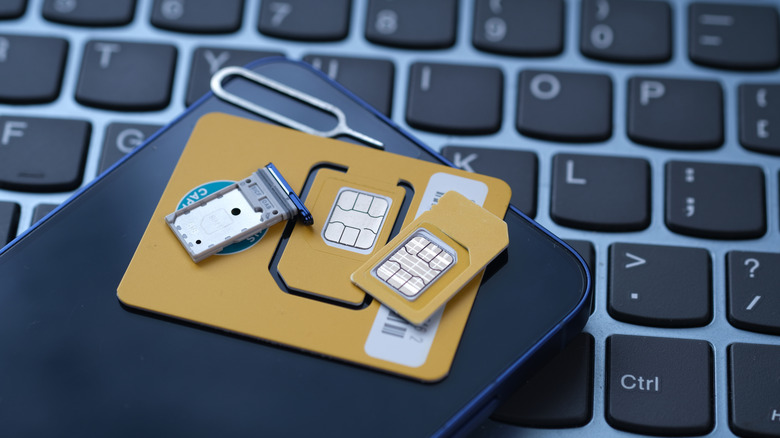
These are key details to be aware of when crossing the border into the United States. Electronic device searches may not apply to you, but if they do, agents may look at all your devices under the January 2026 regulation, including the SIM card inside a phone. They may want to inspect the contents of the SIM cards, such as phone numbers, contacts, messages, and wireless network identifiers. The search may involve unlocking a handset or handing over a physical SIM card. If you have eSIM cards installed on your device, they may also be subject to searches, which will likely involve the search of the entire device. However, that's speculation based on the language the document uses.
Smartwatches

Smartwatches, like the Apple Watch, Pixel Watch, Galaxy Watch, and other models, may be subject to similar searches at the border. These devices are usually used as smartphone companions, mostly focused on health and exercise features. But smartwatches may contain personal information, like messages, depending on the apps a user may have installed, and workout-related location data. The devices can also contain credit card data for wireless payments, and they may be protected with passcodes to secure the critical information on these devices, like Apple Pay payments on Apple Watch.
The January 2026 CBP directive also notes that electronic devices may be detained for a "brief, reasonable period of time to perform a thorough border search." Device detention should not exceed five calendar days, following an approval from supervisors, but extensions may be granted. Suspicious gadgets may be held by the CBP for a time after the person has finished the initial encounter with border officials. The document also notes that electronic devices can be seized following an inspection if CBP agents believe devices contain digital contraband or evidence of other violations. It seems unlikely that wearable devices would be subject to such measures, but it's a theoretical possibility.
Vehicle infotainment systems and GPS devices
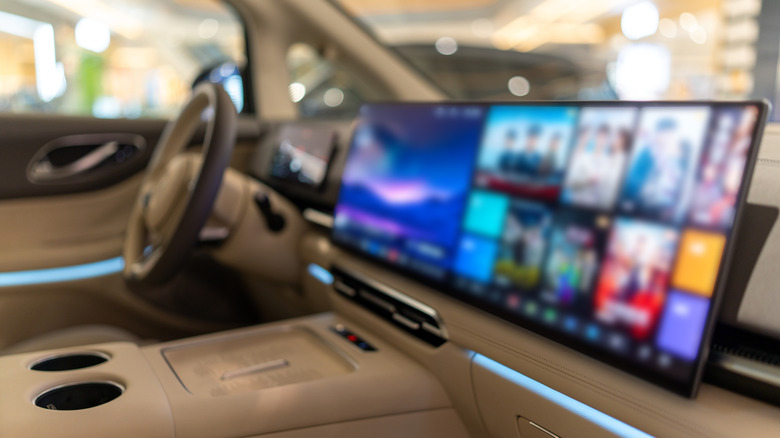
The 3340-049B directive also covers electronic devices a person may carry while crossing the U.S. border by car, like infotainment systems and GPS devices. These gadgets are already built into cars or are standalone, removable devices. CBP inspections of infotainment systems and GPS devices may not be as sensitive as smartphones, laptops, and tablets in the amount of personal information they contain, but they can still store essential data. For example, an infotainment system may show location information related to your most recent trips that involved navigation apps. They may hold contacts, call and message data, as well as information about connections to other mobile devices.
Put differently, your car may tell CBP agents where you've traveled to recently, who you communicated with, and what smartphone may have been associated with the same vehicle. Standalone GPS devices would only offer location-related information, such as trips and saved places.
Some people may use their smartphone to connect to the car infotainment system via Apple CarPlay or Android Auto. In these instances, the car's head unit acts as a display for the smartphone, with the data and apps being stored on the iPhone or Android device. While an inspection of an infotainment system may not yield much information in this case, if the CBP demands such access, they might also inspect the smartphones connected to the system, though that's just speculation.
Drones
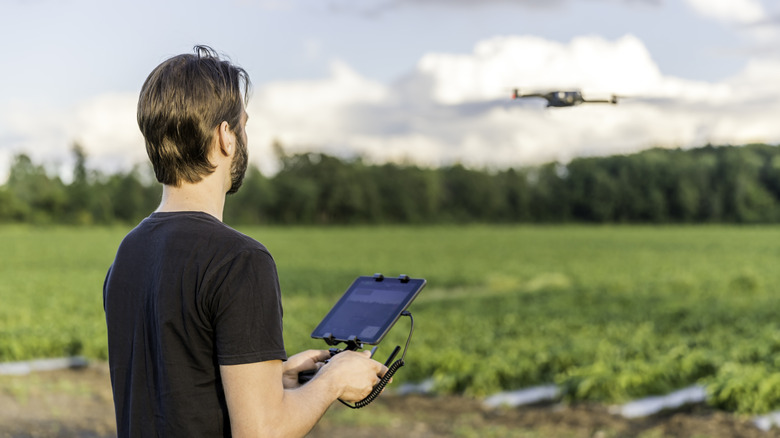
Unmanned aircraft systems (UAS), or drones, are now also covered by the new CBP electronic device inspection rules. If you're carrying a UAS while crossing the U.S. border, you may be asked to submit it for a basic or advanced search. A drone is usually operated with a remote controller, which may be a smartphone or a tablet. Drones also use internal or external storage to hold information, such as photos and videos. The CBP may be interested in data related to recent flights and digital captures made with the drones. It's likely that the entire ecosystem related to the drone, which can involve the phone, tablet, laptop, and storage devices, may be subject to inspection. Like earlier, this is just speculation, as it's unclear why the CBP included UAS in its latest directive.
Of the 55,318 border searches in fiscal year 2025, 50,922 were basic searches according to the CBP, "in which the devices were not connected to external equipment to review, copy, and/or analyze its contents." But the CBP doesn't explain what sort of devices were subject to more advanced searches. The document, updated in late January 2026, notes that all individuals entering the U.S. are obligated to present electronic devices for inspection, regardless of their citizenship. Travelers can refuse, but the CBP may take additional measures. The agency won't deny a U.S. traveler entry, but their devices may be detained. While the document notes that the CBP's inability to inspect an electronic device belonging to a foreign national isn't the only factor for determining the admission to the U.S., it implies that admission may be refused. The document also says the CBP will take action following an international traveler's refusal to make their gadgets available for inspection.