

Can You 3D Print A Phone Case?
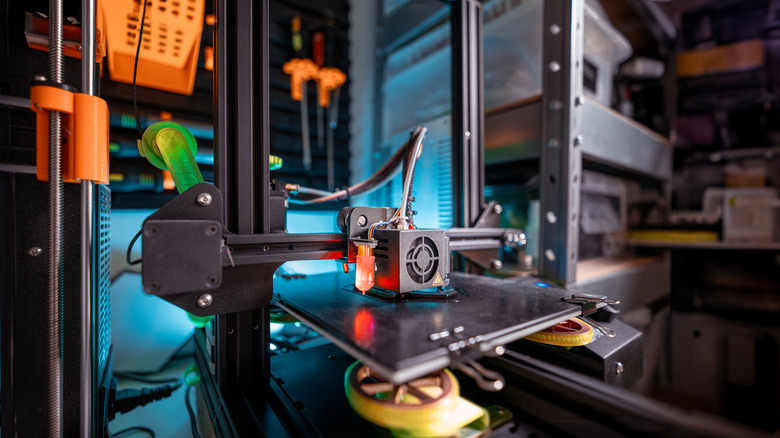
There's an argument that smartphones may not need cases, especially newer devices, which can be more durable than their predecessors. However, people who worry about the integrity of their expensive phones can always employ protective gear. Phone cases are widely available, and they cover almost all smartphone models sold in stores. The more popular the device, the wider the accessory market. But there's another option that some people may be considering: 3D printing unique cases that can fit their needs and style. The good news is that you can 3D print a phone case at home without much difficulty, as long as you have access to a 3D printer, filament, and the software.
The bad news is that 3D printed cases may not be as rugged as the most durable phone cases sold commercially. Retail cases may be manufactured from various materials to improve drop resistance. Commercial products are also tested to ensure they work as intended. They may feature reinforced corners to protect against drops, and they may include specific components to address particular phone features. For example, iPhone cases can have built-in magnets that help maintain MagSafe functionality. Other cases may integrate ring handles on the back to improve grip when using the phone with one hand.
What you need to 3D print your phone case
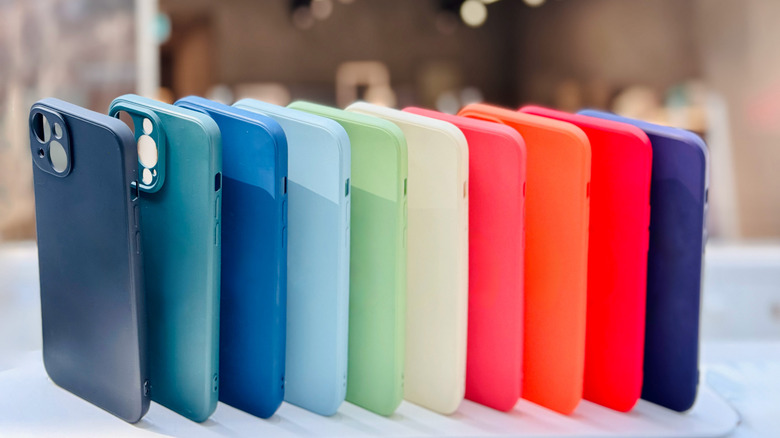
Access to a 3D printer isn't mandatory, but owning a model makes the 3D printing process cheaper. It means you already have some experience with 3D printing software and you have filament to get started. In other words, printing your own cases may be cheaper than purchasing a commercial model, in addition to allowing you to customize it as you see fit. You can also employ the services of a commercial 3D printing service available nearby, provided you're ready to supply the case design files and specifications and ensure they have the type of filament you need for your case.
Designing a unique phone case may sound like a fun project, but it requires accurate measurements so the 3D printed case fits your device. You can start from scratch by measuring your smartphone accurately, or use a free phone case design from the web. Even with the latter, you should ensure the measurements are accurate for your handset. If designing a case for an iPhone, you may want to figure out a way to integrate magnets in the 3D printed case so you can recharge the handset wirelessly at the maximum supported charging rate.
You'll need to decide what material to use for the homemade cases. PLA may shatter, and the material has a lower thermal resistance (59 degrees Celsius or 138 degrees Fahrenheit). PETG has better thermal resistance, but it may still not absorb shock as well as 3D printed cases made of TPU 95A filament. A better choice may be nylon material, which can improve flexibility and shock absorption. It may also be lighter than other alternatives.
Notable examples of 3D printed phone cases
One other advantage of creating your own phone case is that you can continue to iterate on your design after the first prototype comes out and you start using it. You can refine the design to make the case more durable if the prototype breaks or scratches easily. Also, you can print another case every time you want a "new" model, a different color, or when an existing unit breaks.
Before embarking on creating your first 3D printed phone case, you may want to check out some of the more notable examples from the past few years. For example, the Pokédex battery case went viral in 2016, a Pokémon-inspired 3D printed case for the Galaxy S4 that featured space for a 2,600 mAh battery. The Fold Case for iPhone X, 3D printed with flexible nylon plastic, was released in 2018, and it's the kind of user-made phone case design that makes the best case for 3D printing your own protective devices. Its design leaves a portion of the phone's bottom side exposed, while wrapping around all four corners to ensure drop protection. The camera opening also presents an original design, an elongated water droplet that's not seen in commercial phone cases.
In 2021, YouTuber Unnecessary Inventions 3D printed an iPhone 13 case that featured a candy dispenser on the back, the Candy Catapult in the video above. The project required multiple components and a more complex assembly process. It may not be the 3D phone case design you seek, but it proves that 3D printing is the way to go if you want customized cases, no matter how wild the idea.