

10 Of The Best Waterproof Phones You Can Buy In 2026
We may receive a commission on purchases made from links.
The Ingress Protection (IP) rating for a smartphone is something you should always consider when buying a brand-new device. No matter how careful you may be, dust and water can sneak in out of nowhere and ruin your smartphone in no time, especially if it's not built to handle extreme conditions. Each IP rating has two digits; the first indicates dust resistance, which peaks at 6 — denoting a dust-proof device. The second figure denotes water resistance, and can go as high as 9. Lower numbers represent the depth and time that a phone can withstand immersion.
An IP68 rating, for example, indicates a dustproof device that can survive prolonged submersion in water deeper than 1 meter for more than 30 minutes (will vary by manufacturer). An IPX4 rating, in contrast, indicates a device with untested dustproofing that will survive rain and light splashing, but not withstand immersion.
Meanwhile, an IPX9 rating indicates a smartphone's resistance to high-pressure water jets sprayed from multiple angles — the ultimate pressure test. Sure, this is useful in its own right, but it's nowhere near an indication of a phone's waterproof nature, or lack thereof. This is why some smartphones — including a few mentioned on this list — feature dual IPX8/IPX9 certifications to make it clear that the device is both waterproof and resistant to strong water sprays and the like. These 2026 smartphones will provide you with all the features you expect from a state-of-the-art modern device while retaining functionality if you accidentally drop them in water.
iPhone 17 Pro Max
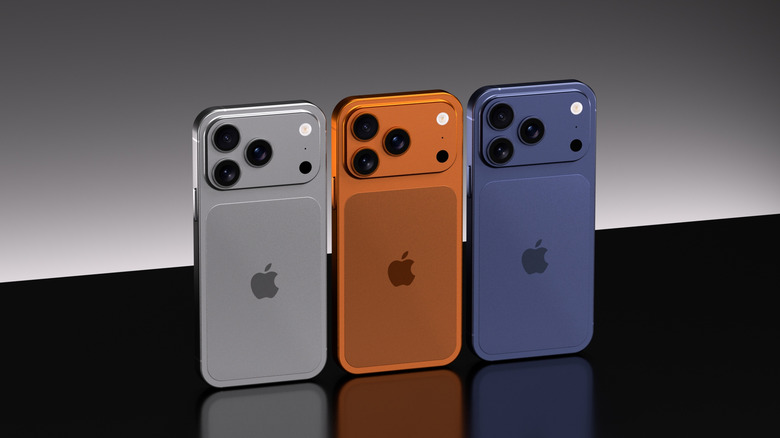
Given Apple's history of building sturdy, reliable devices that can withstand a substantial amount of wear and tear, it's to be expected that its most expensive current-gen model, the iPhone 17 Pro Max, is waterproof and can withstand being submerged in water. Suffice it to say, people who want to use its amazing 48MP triple camera with its wide, periscope telephoto, and ultrawide lens, along with an 18MP selfie camera, at the beach or near a pool don't have to be worried too much about their massive $1,199 investment becoming an expensive brick if they accidentally drop it in the water.
Of course, this IP68 certification — which, mind you, also means that this phone is dust resistant — isn't the only reason why you should buy the most expensive iPhone on the market right now. Apple confidently states that the 4,823mAh capacity battery on the iPhone 17 Pro Max has a video playback time of 37 hours on a full charge, and this battery has an even higher capacity of 5,088mAh on an eSIM-only model. The 6.9-inch Low-Temperature Polycrystalline Oxide (LTPO) Super Retina XDR OLED display looks absolutely breathtaking, boasting a refresh rate of 120Hz and a max brightness of 3,000 nits. On top of this, it also supports both HDR10 and Dolby Vision, further hammering in why the 17 Pro Max's display is a cut above the rest. With the industry-leading A19 Pro chipset powering this phone, the iPhone 17 Pro Max's performance will certainly wow you.
Motorola Razr+
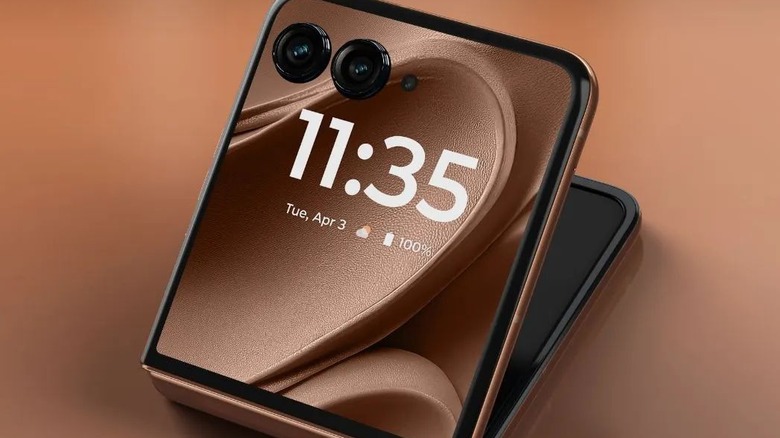
Motorola has done a great job of releasing a bunch of smartphones on the market that boast an IPX8 certification and come loaded with numerous features. The Motorola Razr+ is one such device, with its IP48 rating helping prevent worry that it will conk out if you accidentally drop it in water.
The Razr+ fits snugly in the pocket and looks absolutely immaculate, courtesy of a vegan leather finish — or vegan suede, if that's more up your alley — and a gorgeous 4-inch AMOLED cover screen that's pretty convenient to boot and lets you browse a set of panels while the phone is folded. What this means is that you can access your calendar, play songs on Spotify, browse your contacts, and check the news and weather without opening it.
Of course, the Razr+ doesn't earn favorable reviews on its looks alone. The phone also features a 3rd-gen Qualcomm Snapdragon 8s CPU and Adreno 735 GPU, ensuring that processes are smooth and swift on this $584.99 device. The hinge has also been reinforced with titanium to be sturdier and more ergonomic than before. Finally, the 4,000mAh battery can last an entire day on a full charge, and charges in just 45 minutes.
Google Pixel 10 Pro
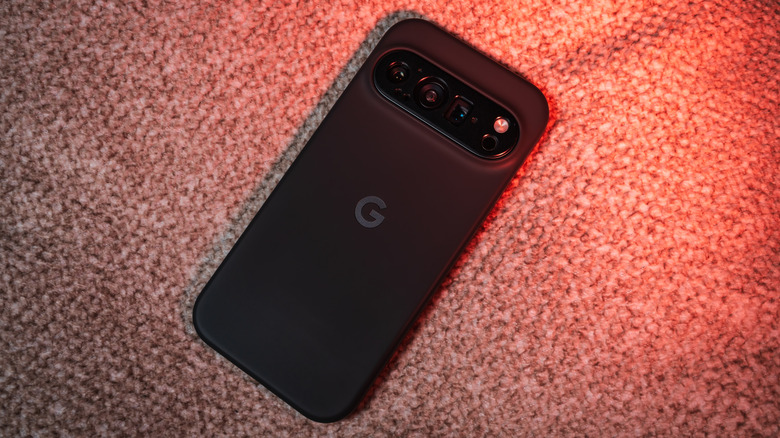
Google's Pixel lineup has delivered some of the best Android phones on the market. The Google Pixel 10 Pro continues this trend of excellence, though people with a physical SIM may be somewhat annoyed that the U.S. Pixel 10 Pro models are eSIM only. This durable phone is made of aluminum and Gorilla Glass Victus 2 on the front and back. The IP68 certification means this phone is dust- and water-resistant. The 50MP main camera, 48MP telephoto lens, 48MP ultrawide, and 42MP selfie cameras make for a setup that captures gorgeous photos, which is par for the course when it comes to the Pixel phones.
The $949 Pixel 10 Pro is also the first official flagship Android smartphone to feature Qi2 wireless charging, using magnets to snap onto the wireless charger in question — perhaps the Pixelsnap Charger. Additionally, the AI features have received praise from reviewers. Magic Cue is basically a superpowered digital assistant. Real-time voice translation during calls is as mind-blowing as you'd expect. Ask Photos will use AI optimizations to spruce up your photos, and you can even create entire songs with Recorder! While the Google Tensor G5 chipset isn't as powerful as you'd expect from a flagship device, it's a minor hiccup that most users won't be hung up on for too long.
Samsung Galaxy S26 Ultra
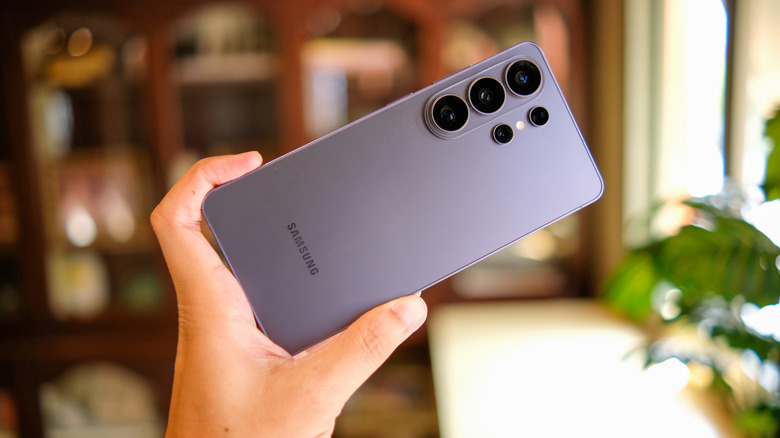
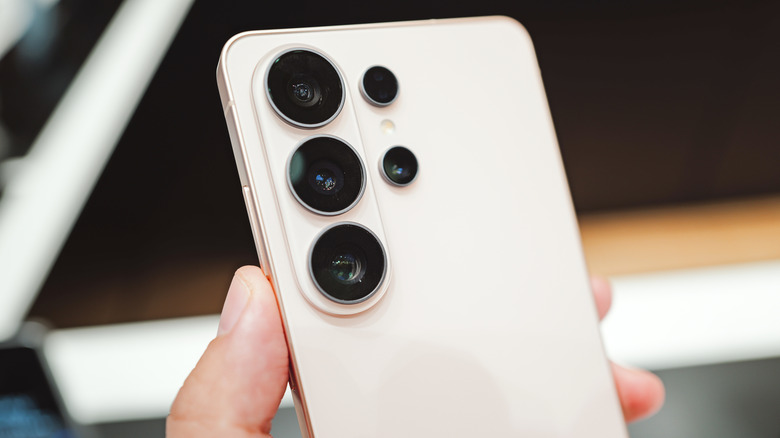
The IP68-rated Samsung Galaxy S26 Ultra has been on the tip of everyone's tongue ever since Samsung revealed the groundbreaking Privacy Display feature. For the uninitiated, this is a baked-in privacy screen that can either affect the entire screen when using an app or be configured to work specifically with your notifications. The quad-camera system is as brilliant as you'd expect from Samsung, courtesy of a 200MP (yes, really) main camera, a 50MP periscopic telephoto lens, along with a regular 10MP telephoto lens, and a 50MP ultrawide to complete the set. On top of this, the S26 Ultra features a Horizon Lock to stabilize video footage and make it look downright professional, even in the shakiest hands.
Replacing the titanium frame with Armor Aluminum means the S26 Ultra is 4 grams lighter than its previous model, weighing in at just 214 grams. The price hasn't increased either — a downright marvel during a time when memory and storage are at a premium because of the AI boom — making the $1,079.99 price tag reasonable for such a feature-loaded device.
The S26 Ultra is also brimming with AI software that's baked into Bixby, Samsung Galaxy AI, Google Gemini, and Perplexity. Your mileage may vary with these inclusions, but there's no denying that this smartphone is on the cutting edge of modern software and hardware, with the 5th-gen Qualcomm Snapdragon 8 Elite processor doing wonders for its performance.
Motorola Edge 60 Pro
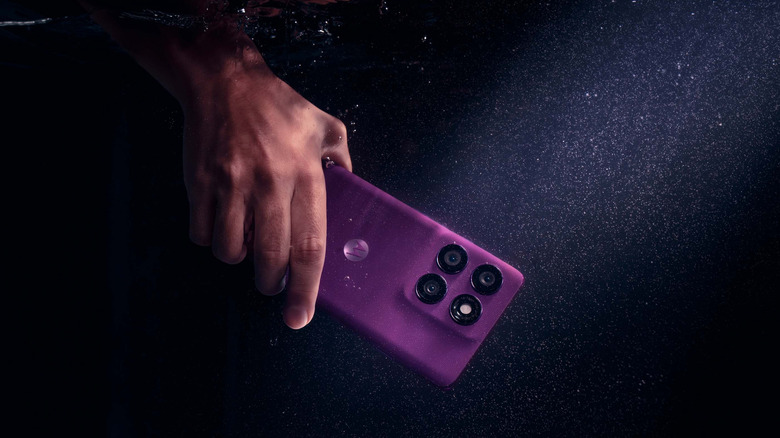
Not all waterproof phones in 2026 need to be flagship devices that cost an arm and a leg, and the Motorola Edge 60 Pro is proof. This mid-range device costs $457.72 on Amazon and has a dual IP68/IP69 certification, meaning that it's safeguarded from both lengthy dips in water and high-pressure water sprays. Durability is high, considering its Corning Gorilla Glass 7i screen and military-grade MIL-STD-810H compliance. It helps that the Pantone hues and a curved edge design make this phone look sleek and aesthetic in equal measure. The 120Hz OLED screen also looks great, with a maximum brightness of 4,500 nits and support for HDR10+.
The 6,000mAh battery kept the phone up and running for over 30 hours in an expert review. Support for 90-watt charging means this phone can top up in about 50 minutes. The mid-range nature of this device means that not everything is perfect. The camera is mediocre at best, Moto AI is nowhere near as robust as other smartphone assistants, and the phone is slated to receive software updates for a meager three years. However, if you're willing to deal with these caveats, the durable, water-resistant Motorola Edge 60 Pro may be for you.
ASUS ROG Phone 9 Pro
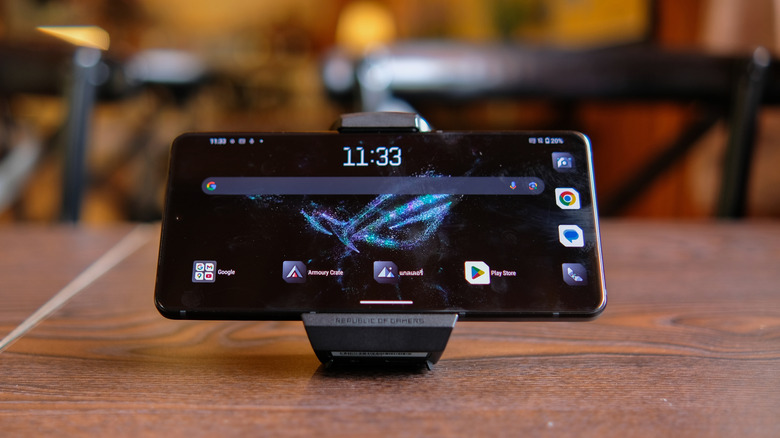
Priced at an eye-watering $1,599.99, the ASUS ROG Phone 9 Pro is the most expensive phone on this list, as one would expect from a portable gaming powerhouse. However, if you're willing to make this investment, the ROG 9 Pro boasts a litany of features that will satiate your thirst for performance. The Snapdragon 8 Elite chipset is a cut above the rest and does a great job of making any game run as smoothly as possible, especially those that make the most of its Adreno 830 GPU. The AMOLED screen supports a truly decadent 185Hz refresh rate, which will make your games look spectacular, and an IP68 rating protects the gaming experience.
Despite being a gaming phone at heart, ASUS didn't skimp when it came to the triple camera system. A 50MP main camera, a 32MP telephoto lens, and a 13MP ultrawide lens capture excellent photos. As one would expect from a gaming phone, it can last up to 20 hours. Despite being a gaming device at heart, the ROG 9 Pro's subtle design, to some, is an improvement over its predecessor. The Phantom Black finish is fingerprint-resistant, the branding isn't in-your-face, and the back-panel LEDs — called AniMe Vision — add a nice touch to this phone's presentation. As long as you don't mind only two years of OS updates and a bit of ASUS software clutter on the phone, the ASUS ROG Phone 9 Pro is a durable gaming device for those willing to pay a premium.
Motorola Razr Ultra
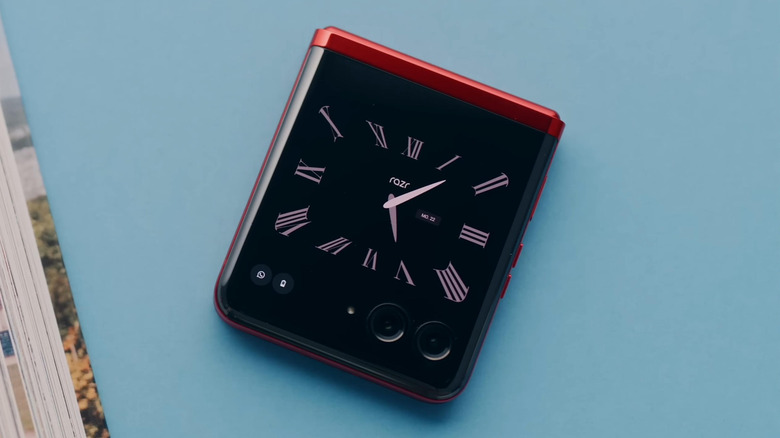
If you don't want to cut any corners when buying a flip phone, then the Motorola Razr Ultra is a solid choice. While initially launched at an eye-watering $1,299.99, Amazon is offering it for as low as $699.99. This means you're getting an excellent bang-for-your-buck foldable smartphone, with the Snapdragon 8 Elite processor delivering performance that makes things run smoothly on both the 7-inch main display and the 4-inch cover display. The Pantone colors are varied and make this device look vibrant, while the hinge is reinforced with titanium to ensure greater durability, including an IP48 rating.
The upgraded 4,700mAh battery will last about 18 hours on a single charge, and plugging this phone into a fast charger charges it from 0 to 100% in just 40 minutes. With all these bells and whistles, it's a shame that Motorola declared that the Razr Ultra will receive major OS updates for only three years.
Samsung Galaxy Z Flip7
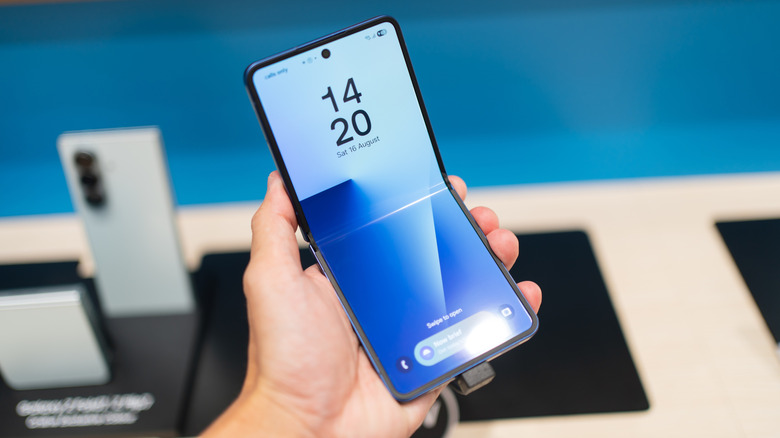
The Samsung Galaxy Z Flip7 is an IP48-rated device that costs $899. Both the 6.9-inch main screen and the 4.1-inch cover screen are AMOLED displays that support a refresh rate of 120Hz and are quite pleasing to look at. The 50MP main camera and the 12MP ultrawide lens are both very good at taking photos, although some people may lament the lack of a telephoto lens.
One area where the Galaxy Z Flip7 has knocked it out of the park is long-term support. Getting this phone now means that you'll enjoy OS updates for seven years. Compared to the Flip 6, the phone is slimmer, the hinge is smaller, the cover screen is larger, and the battery capacity is slightly improved over the Flip 6, from 4,000 mah to a capacity of 4,300mAh. While this phone does a lot of things right in comparison to the previously discussed Motorola Razr Ultra, the cover screen functionality has not changed much.
OnePlus 15
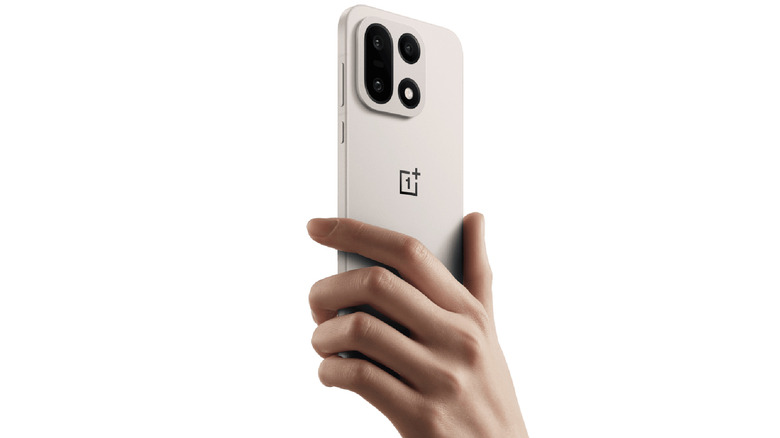
OnePlus' fall from grace has been painful to witness for long-time fans who once considered this company to be a major player in the Android smartphone industry. This is why the OnePlus 15 is such an important offering — despite a middling four-year software support and average camera, the rest of the package is solid and might just spark the OnePlus comeback that fans have been waiting for.
The durable build quality is a standout feature of this phone. It's the only other device listed here with a dual IP68/IP69 rating. The Gorilla Glass Victus 2 and aluminum alloy frame also help bolster the phone's durability, but people who want to go all out in this department should check out the OnePlus 15 Sand Storm edition. It uses what it calls "aerospace-grade Micro-arc oxidation" to apply a ceramic coating to the phone's metal frame, creating a hardness more than three times that of an aluminum body.
A 5th-gen Snapdragon 8 Elite processor delivers top-notch performance, regardless of whether you're multitasking or playing high-end games. However, it would be impossible to talk about the OnePlus 15 without mentioning its ultra-massive 7,300mAh battery, which can power the unit for almost three days on a full charge! It's easily one of the best 2026 smartphones for battery life, making it worth the $899.99 asking price in many eyes.
Samsung Galaxy S25 FE
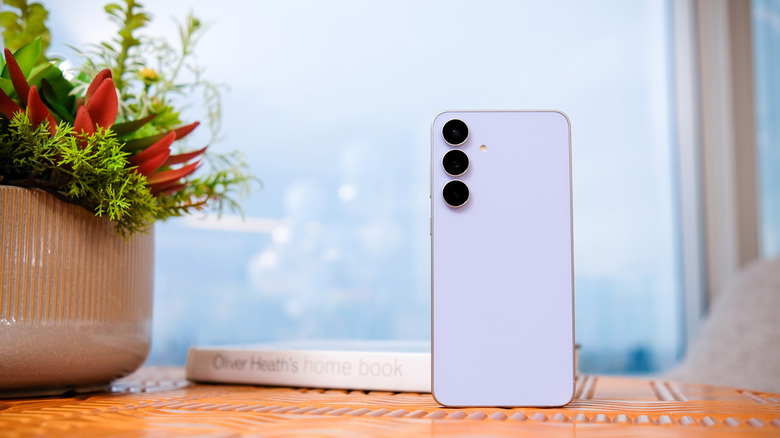
Another mid-range smartphone with an IP68 rating that is waterproof and pocket-friendly, the Samsung Galaxy S25 FE costs just $551.78 and delivers exactly what you'd expect from a good budget-friendly smartphone. The Exynos 2400 processor delivers decent performance for daily use, although don't expect it to run demanding software and state-of-the-art mobile games at top speeds. The 50MP main camera, 8MP telephoto lens, and 12MP ultrawide clicks decent pictures, though it does not perform at elite levels for night photography.
What will really surprise you is a competent 6.7-inch LTPO AMOLED display with a maximum brightness of 1,900 nits and support for 120Hz, which makes for a high-quality display that is large, bright, and satisfying. Another piece of hardware that doesn't feel mid-range in the slightest is the 4,900mAh battery that provides all-day power. Support for 45-watt wired charging means you can charge a dead S25 FE to 100% in just over an hour, making this water-resistant mid-range smartphone a great purchase if you aren't a stickler for high performance and state-of-the-art specs.
Methodology
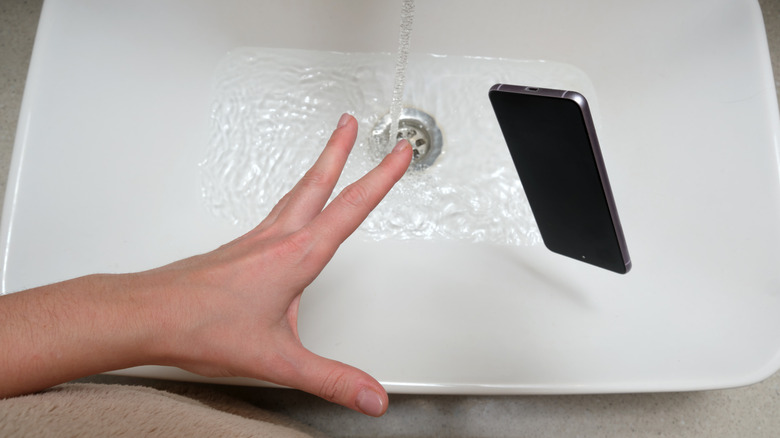
Only smartphones currently available on the market with an IPX8 or greater water resistance rating have been considered for this list. Following this, smartphones with multiple positive reviews from trusted publications are deemed worthy of a mention. These outlets include GSMarena.com, Stuff, Trusted Reviews, PCMag, Android Authority, CNET, WIRED, TechRadar, Tom's Guide, Tech Advisor, Mashable, Engadget, Expert Reviews, ZDNET, Android Central, and IGN.